

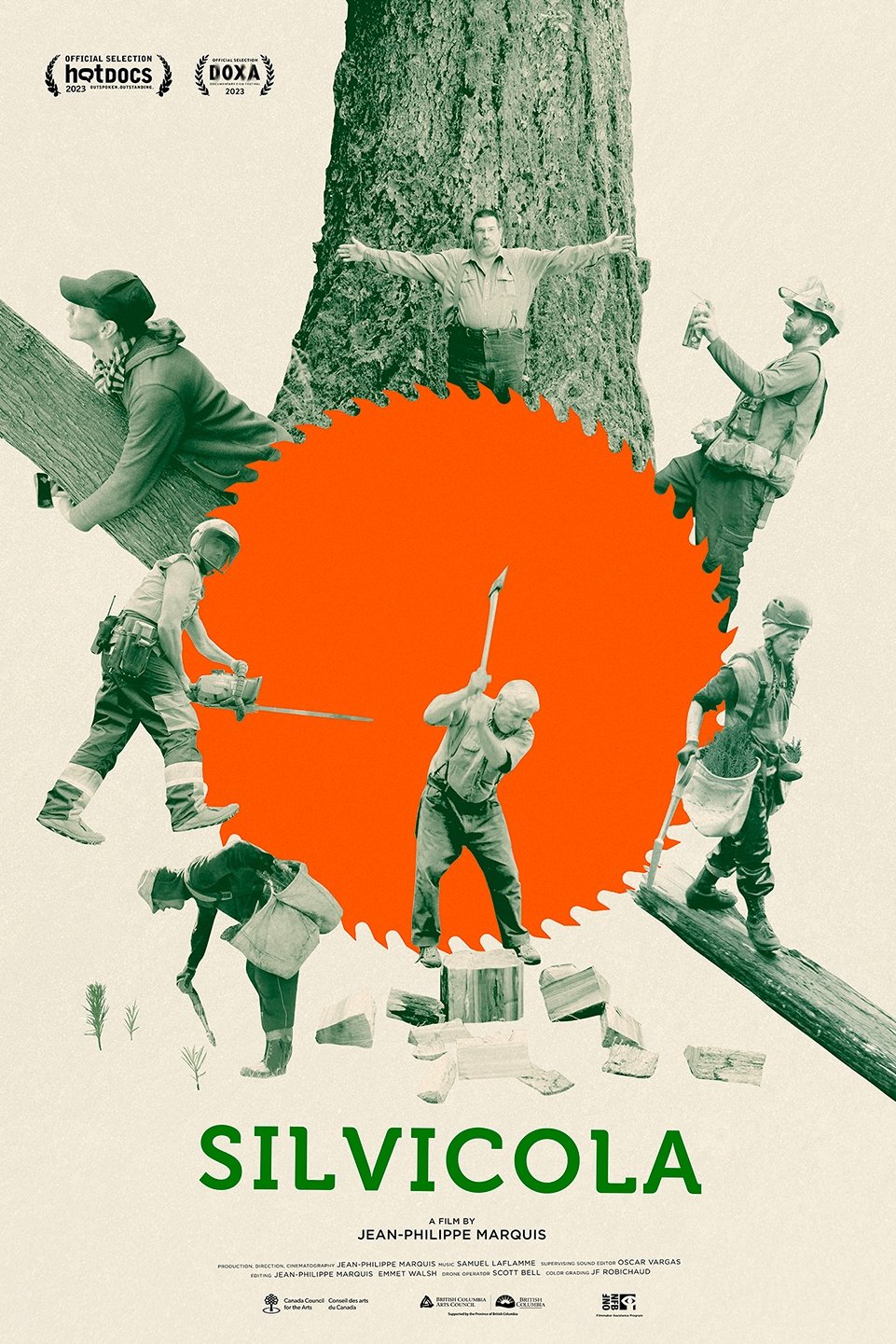
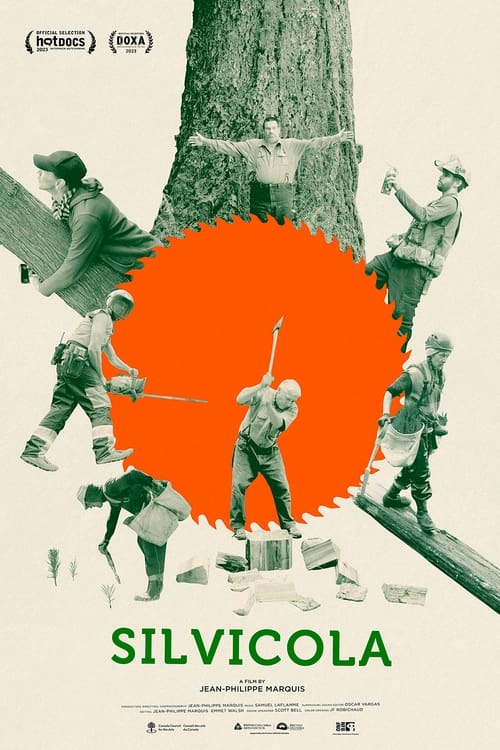
Silvicola
Documentary
Overview
The human impact on forests is explored through breathtaking vistas and poignant vignettes set in Canada's Pacific Northwest. Those who rely on this precious resource highlight the tensions and dilemmas between commodification and conservation.


No cast information.
Similar Movies
In June 2010, French actress Marion Cotillard spent a week in the heart of the tropical forests of the Democratic Republic of Congo with members of Greenpeace France and Greenpeace Africa. She delivers in video a strong testimony on the looting of Congolese forests which benefits a few industrial groups, often European.
Discover the "character" of one of Missouri's oldest tie and lumber operations through this archival black-and-white film that documents one of the last railroad tie drives on the Black River made by the T.J. Moss Tie Company of St. Louis in the 1920s. Thanks to release of the film by the Kerr-McGee Chemical Corporation, the rare footage in "Stamp of Character" takes us through the entire process of making railroad ties, at a time when forests covered almost two-thirds of the state. The original silent motion picture was shown in movie theaters as an advertisement by the T.J. Moss Tie Company. Using digitally edited narration and realistic sound effects, this video makes the past live again.
System Update isn’t just a film—it’s a rallying call for a better future. It shows how bold changes in political, economic, and social systems can protect people from climate collapse. Most of humanity wants action, yet leaders fail to deliver. Like a computer, society must be rebooted to avoid disaster and create a fairer, more sustainable system. Offering fresh ideas and inspiration, the film invites us to reclaim power, join forces, and shape a world that works for everyone. A wake-up call to act, resist, and rewrite our collective future.
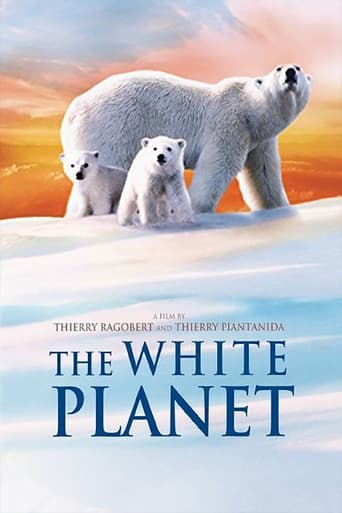
The White Planet or in French, La Planète Blanche, is a 2006 documentary about the wildlife of the Arctic. It shows interactions between marine animals, birds and land animals, especially the polar bear, over a one year period. The fragility of the Arctic is hinted at as a reason to prevent climate change. It was nominated for the Documentary category in the 27th Genie Awards in 2007.
Contrasting ancient myth and modern reality, this short documentary examines the legendary relationship between West Coast Indigenous people and salmon, once their staple food. In the mythical realm, we learn how Raven finds riches in the harvest of the salmon, only to lose everything through a thoughtless act against the Spirit of the Salmon. So too does modern man jeopardize his living from the sea by heedless action. Images of ancient spear-fishing and smoke-houses contrast with images of today's Indigenous people operating a seiner and working in a cooperative cannery.
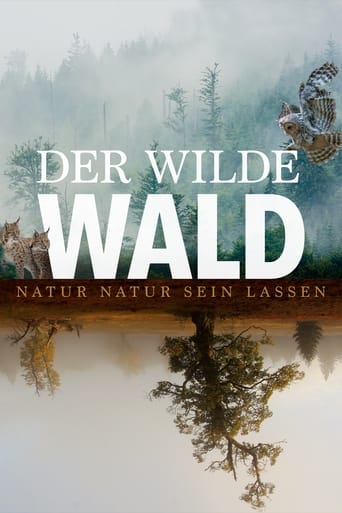
“Let nature be nature” is the philosophy of the Bavarian Forest National Park. Despite massive resistance, this vision has become a groundbreaking showcase project. Because humans do not interfere with nature, the former commercial forests grow into a primeval forest, a unique ecosystem and a refuge for biodiversity. People from all over the world come here. They are looking for answers to the question of why we need more wild nature and what we can learn from it to preserve forests for future generations in times of climate change.
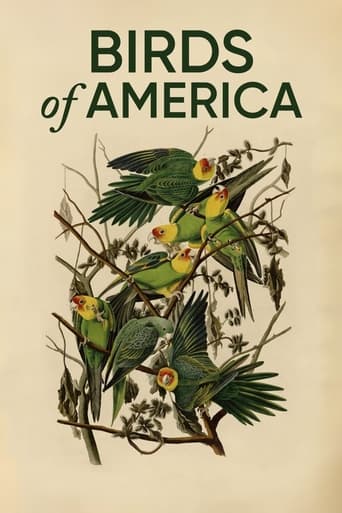
In the first half of the 19th century, the French ornithologist Jean-Jacques Audubon travelled to America to depict birdlife along the Mississippi River. Audubon was also a gifted painter. His life’s work in the form of the classic book ‘Birds of America’ is an invaluable documentation of both extinct species and an entire world of imagination. During the same period, early industrialisation and the expulsion of indigenous peoples was in full swing. The gorgeous film traces Audubon’s path around the South today. The displaced people’s descendants welcome us and retell history, while the deserted vistas of heavy industry stretch across the horizon. The magnificent, broad images in Jacques Loeuille’s atmospheric, modern adventure reminds us at the same time how little - and yet how much - is left of the nature that Audubon travelled around in. His paintings of the colourful birdlife of the South still belong to the most beautiful things you can imagine.