

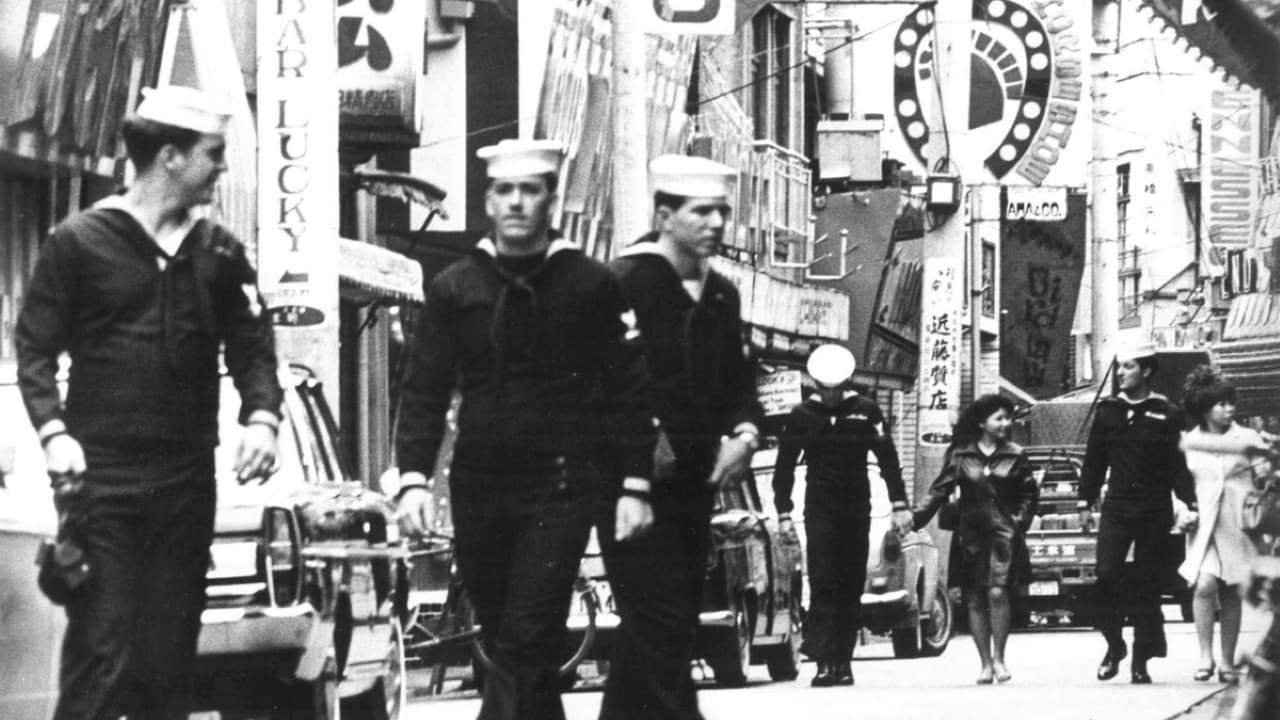

History of Postwar Japan as Told by a Bar Hostess
Documentary · History
Overview
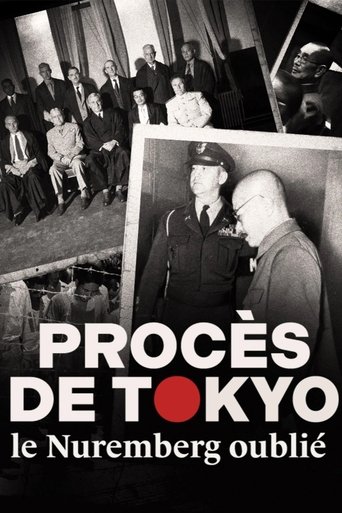
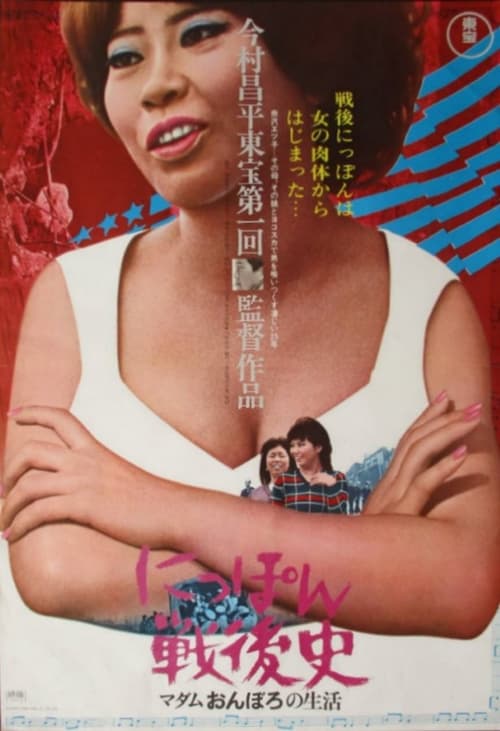
Postwar Japan as it is described by Etsuko, the manager of a bar catering to foreigners in Yokosuka. The way of life of a woman brimming with vitality, who skipped the countryside right after the war and, with her womanhood as a weapon, lived through atomic bombings, black markets, prostitution aimed at American soldiers and the Korean War. Inserting newsreels, Shohei Imamura depicts the history of twenty-five years in the Japanese postwar by way of the female body. (doclisboa)
Top Cast




Emiko Akaza
Emiko Akaza
Self
Emiko Akaza
Self
Similar Movies
After the atomic obliteration of Hiroshima and Nagasaki, over 36,000 Australian men and women, part of the British Commonwealth Occupation Force (BCOF), marched onto Japanese soil. They were assigned the toughest and most dangerous area of Japan: Hiroshima Prefecture, which included the atom-bombed city. The Forgotten Force tells for the first time the story of Australia's role in Japan. Rare archival and private footage, photographs and eyewitness accounts from both sides vividly recreate the atmosphere of post-war Japan - the horror of Hiroshima and its aftermath; the struggle to build a new "democratic" society while under the heel of military rule; the growth from suspicion and fear to friendship and trust between foes.
Towards the end of WWII, the Navy gave the Kyoto University's physics lab the secret of a bomb that makes use of nuclear fission energy. While doing research to save Japan, the researchers there wonder if they should promote the development of weapons as scientists. Research enthusiast Ishimura Osamu tries to experiment purely but is at the mercy of the time period. His brother, Hiroyuki, also has to face the truth of the war. Asakura Setsu wants only to talk about the future. A story based on historical facts about youth during the tragedy of war.
The Americans are swiftly closing on Okinawa, an island just south of the Japanese mainland. The Imperial command sends top generals and several army divisions to defend it at all costs. The mission quickly degenerates as vital resources and troops are diverted to other islands. After a civilian evacuation ends in tragedy most of non-combatants are forced to remain on the island. Many convert to soldier status. Tokyo sends mixed messages that squander time and resources, as when they order the defenders to build an airstrip for aircraft that never come. The truth soon becomes obvious: the high command decides that the island cannot be held and effectively abandons the Okinawan defenders. When the Americans land many troops are deployed in the wrong places. As the slaughter mounts, a suicidal attitude takes hold. Okinawa becomes a death trap, for civilian volunteers and non-combatants as well.
Admiral Isoroku Yamamoto (1884-1943) was the Japanese Naval commander who was given the order to attack Pearl Harbour, an order he was duty bound to obey which went against his own personal beliefs. While this infamous attack is a low point in Japanese and US history it wouldn’t have happened if the Japanese government had listened to Yamamoto in 1939 and searched for a more peaceful way to end their war campaign, proving his many ominous presages of the outcomes of the attack to come true.
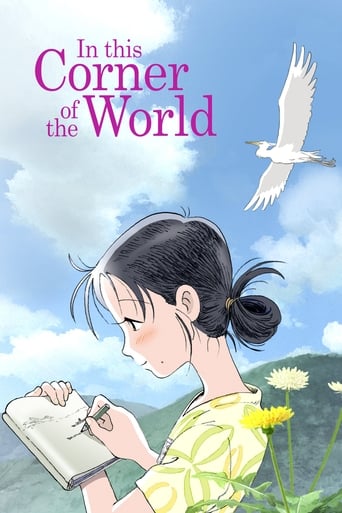
Japan, 1943, during World War II. Young Suzu leaves her village near Hiroshima to marry and live with her in-laws in Kure, a military harbor. Her creativity to overcome deprivation quickly makes her indispensable at home. Inhabited by an ancestral wisdom, Suzu impregnates the simple gestures of everyday life with poetry and beauty. The many hardships, the loss of loved ones, the frequent air raids of the enemy, nothing alters her enthusiasm…
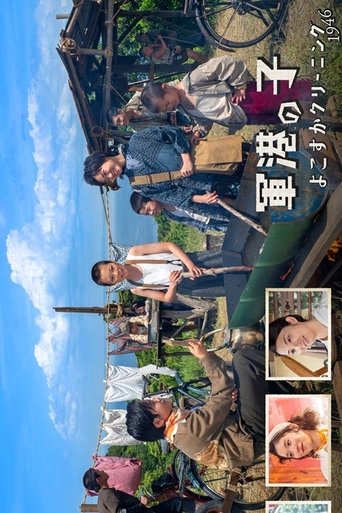
Post-war Yokosuka, Kanagawa Prefecture. Adults who are swayed by the US military stationed in the country and swayed by US intentions cannot afford to care about children who should be protected. The war orphans, who had no choice but to survive on their own, were used to shining shoes for American soldiers, picking up cigarettes, and sometimes committing crimes. However, at some point, they came across a "cleaning" job. They work hard instead of committing crimes and earn money by being appreciated by people. The orphans begin to regain their smiles through experiences that make them feel like they should be alive. The children started to have a modest dream of "renting a house and living" with their own earnings, but they were attacked by an even harsher reality...
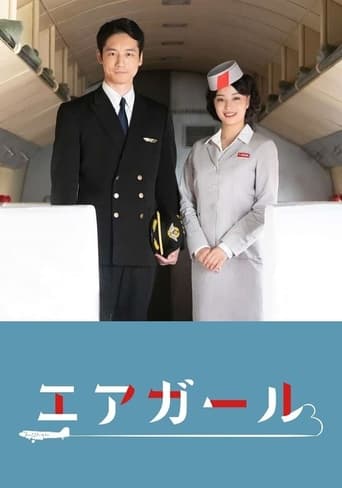
Komari Sano's parents ran a small Tokyo factory that manufactured aircraft parts. With her parents' influence, Komari Sano dreamed of becoming a pilot. During World War II, her older brother died as a kamikaze pilot and her parents died during the bombing of Tokyo. Komari Sano became an orphan and lived with her aunt. Her aunt ran a ryotei (high end traditional restaurant). After the war, all aerial activities were initially banned in Japan. After long negotiations with the Supreme Commander of the Allied Powers, Sizuo Matsuki, who is the security chief of Civil Aviation Bureau, finally launched Japan's civil aviation. Komari Sano applies for the position of a cabin attendant.