

Adagio
Romance · Drama · Music
Overview
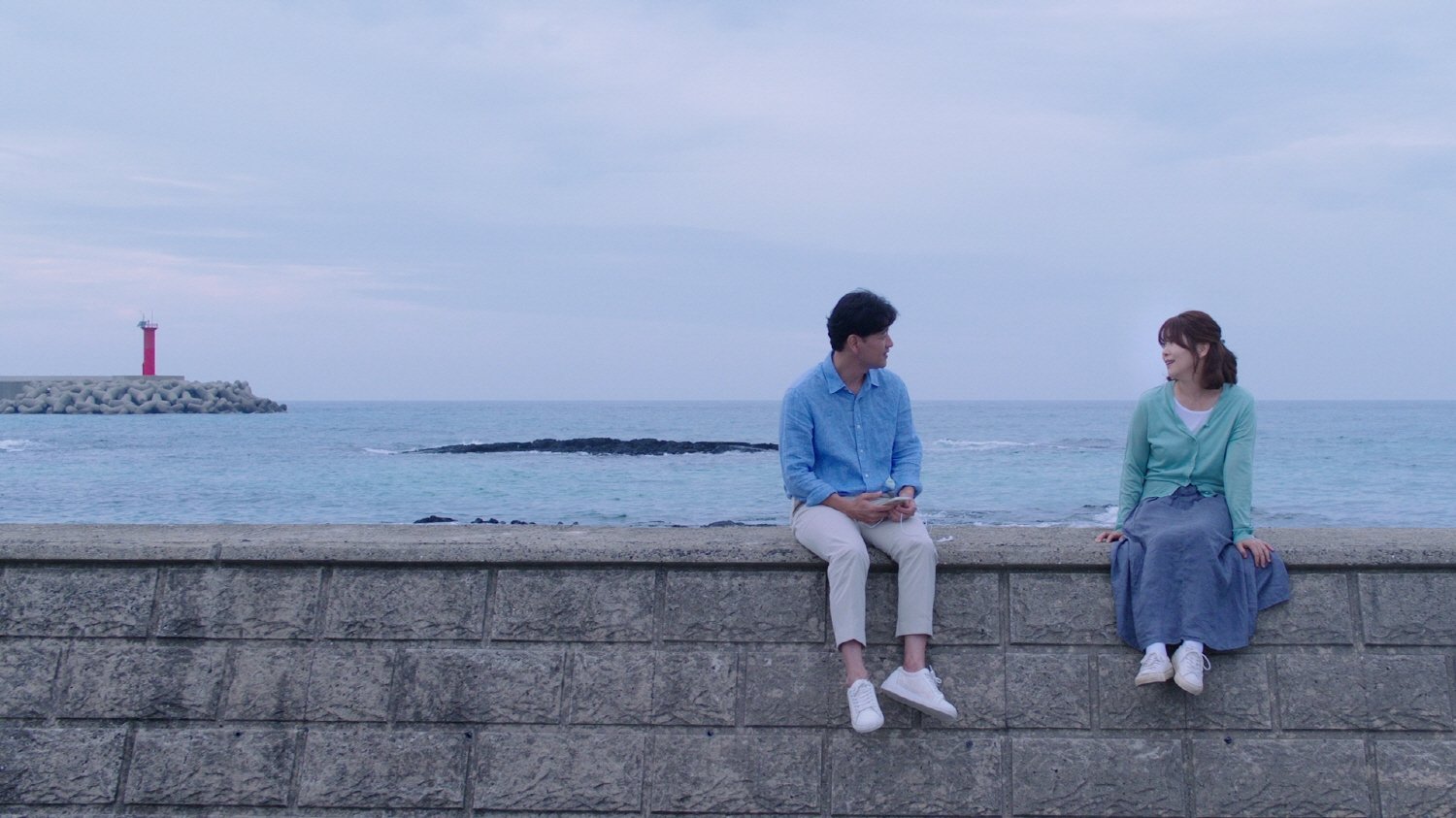
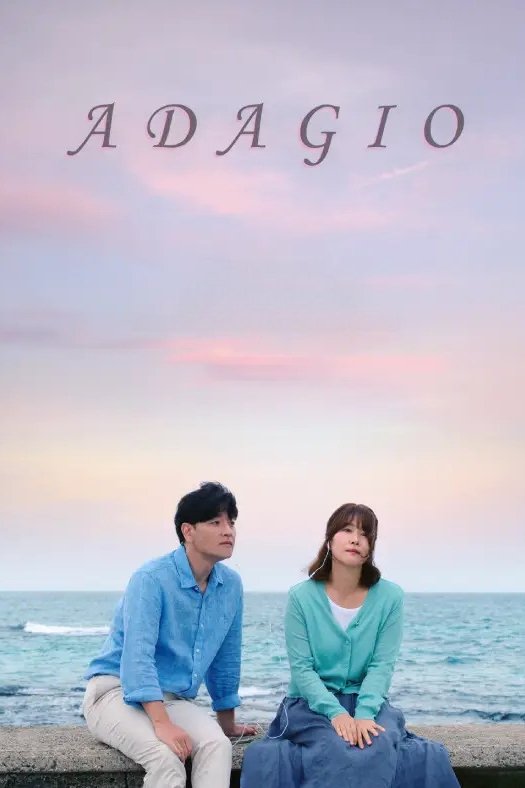
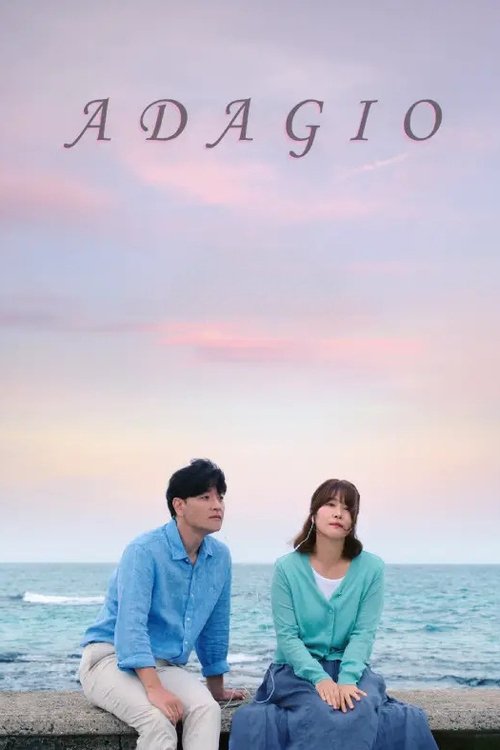
Young-hee visits a peaceful seaside village after losing husband and son meets Jun-woo who also comes to the village for 6-weeks rest after going through retirement and wife’s affair. One late night, Jun-woo who’s suffering insomnia sleep walks into sea, but Young-hee saves him. Young-hee notices Jun-woo’s broken heart and tries to help him by taking care of his summer cottage. Despite the different background, they slowly get closer and classic music becomes an instrument connecting hearts of these two lonely and hurt souls.





Kim Ji-young
Kim Ji-young
Young-hee
Kim Ji-young
Young-hee
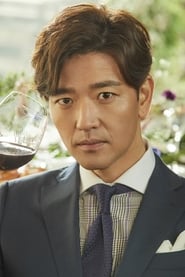
Bae Soo-bin
Bae Soo-bin
Jun-woo
Bae Soo-bin
Jun-woo

Yoon Ji-min
Yoon Ji-min
Ri-na
Yoon Ji-min
Ri-na

Yun Sang-jeong
Yun Sang-jeong
Da-mi
Yun Sang-jeong
Da-mi

Bae Min-jun
Bae Min-jun
Dong-gyu
Bae Min-jun
Dong-gyu

Jung Young-sook
Jung Young-sook
Soon-ja
Jung Young-sook
Soon-ja

Park Hyun-suk
Park Hyun-suk
Park Hyun-suk
Similar Movies
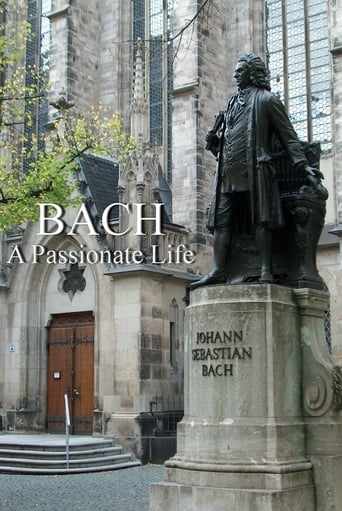
John Eliot Gardiner goes in search of Bach the man and the musician. The famous portrait of Bach portrays a grumpy 62-year-old man in a wig and formal coat, yet his greatest works were composed 20 years earlier in an almost unrivalled blaze of creativity. We reveal a complex and passionate artist; a warm and convivial family man at the same time a rebellious spirit struggling with the hierarchies of state and church who wrote timeless music that is today known world-wide. Gardiner undertakes a 'Bach Tour' of Germany, and sifts the relatively few clues we have - some newly-found. Most of all, he uses the music to reveal the real Bach.

Opera in three acts, a prologue and an epilogue, by Jacques Offenbach (1819-1880), with a libretto in French by Jules Barbier (1825-1901), based on a work that Barbier himself and Michel Carré (1821-1872) had written based on stories by E.T.A. Hoffmann (1776-1822). Approximate duration: 2 h 45 min Recommended for those over 15 years old. The young poet Hoffmann, accompanied by Nicklausse, his alter ego and confidant, is in a tavern next to the theatre where Mozart's Don Giovanni is being performed. During the opera's intermission, some diners arrive at the bar who, upon seeing the poet, encourage him to sing and tell them the story of his famous love affairs. Hoffmann finally gives in and shares with them the stories of Olympia, Antonia and Giulietta. They, absorbed in the poet's stories, remain in the tavern, forgetting about the opera performance.
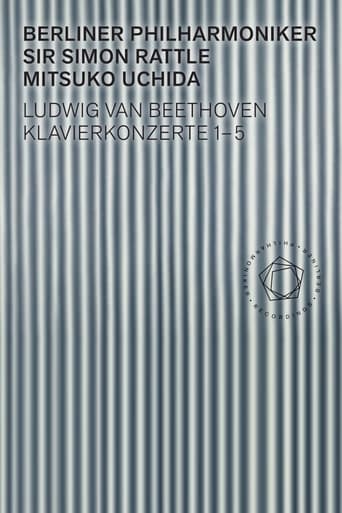
There is hardly a better way to approach Ludwig van Beethoven than through his piano concertos. Beethoven’s own instrument was the piano, and in his improvisations – which made him the darling of the Viennese salons – he merged virtuosity and unbridled expression. The piano concertos give a clear idea of these performances. At the same time, they are prime examples of Beethoven’s ability to create large orchestral works with seemingly endless arcs of tension. The complete recording of all five works with Mitsuko Uchida and Sir Simon Rattle was one of the most spectacular projects of the Berliner Philharmoniker during the Rattle era – and at the same time the highlight of the collaboration between the orchestra and the pianist, which began in 1984.
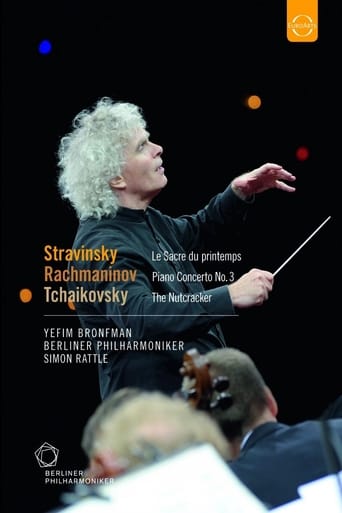
Every year, the Berliner Philharmoniker hold a kind of classical-music fête with a bright, cheerful concert to end the season. In 2009 about 22,000 people had come together at the Berlin Waldbühne to enjoy the traditional summer picnic concert. The theme of the evening was “Russian rhythms”, and star conductor Sir Simon Rattle, the Berliner Philharmoniker and Yefim Bronfman, one of the most famous pianists in the world today, presented a superb selection of Russian music. Repertoire Tchaikovsky: The Nutcracker, op. 71, Overture, The Christmas Tree, March, Pas de deux (Intrada) Rachmaninoff: Piano Concerto No.3 in D minor, op. 30 Stravinsky: Le Sacre du printemps Lincke: Berliner Luft