

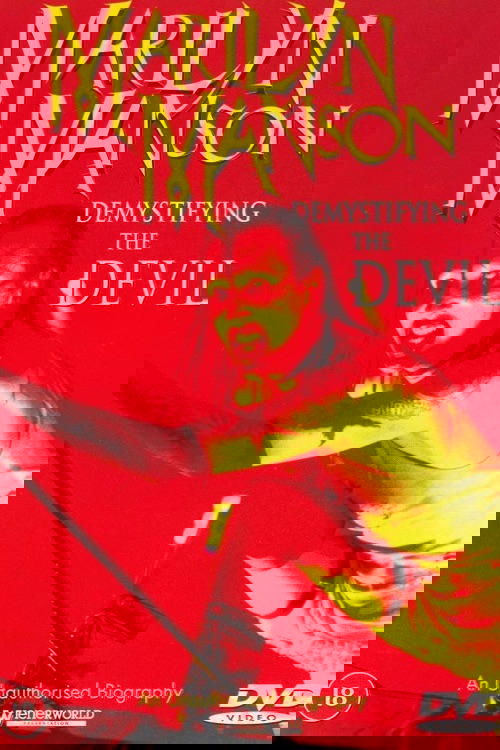
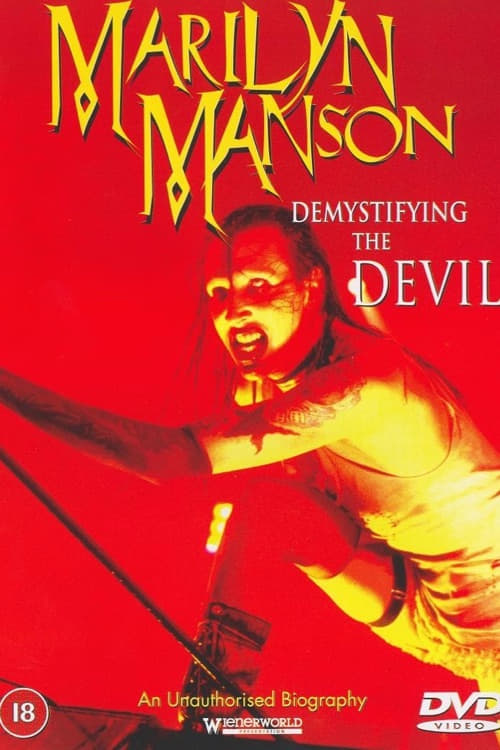
Demystifying the Devil: Biography Marilyn Manson
Documentary · Music
Overview
This unauthorized documentary flashes back to the incarnation of Marilyn Manson and the Spooky Kids and chronicles their controversial trials and tribulations. Included are shocking, first-hand testimonials and outrageous home video from those who were closest to Brian Warner (a.k.a. Marilyn Manson) in his local band-based town of Ft. Lauderdale. This title carries a parental advisory.



Olivia Newton Bundy
Olivia Newton Bundy
as Himself
Olivia Newton Bundy
as Himself
Crime Cassara
Crime Cassara
as Himself
Crime Cassara
as Himself

Madonna Wayne Gacy
Madonna Wayne Gacy
as Himself
Madonna Wayne Gacy
as Himself
Gidget Gein
Gidget Gein
as Himself
Gidget Gein
as Himself
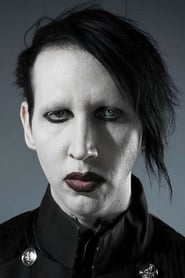
Marilyn Manson
Marilyn Manson
Self
Marilyn Manson
Self
Zsa Zsa Speck
Zsa Zsa Speck
Self
Zsa Zsa Speck
Self
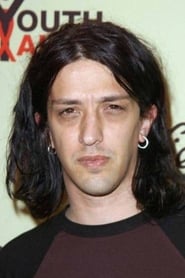
Jeordie White
Jeordie White
Self
Jeordie White
Self

Zim Zum
Zim Zum
Self
Zim Zum
Self

Jessicka
Jessicka
Self
Jessicka
Self
Gidget Gein
Gidget Gein
Self
Gidget Gein
Self
Similar Movies

A thoroughly researched biopic of Charles Ives, America's greatest and most innovative composer (and insurance executive), who combined strikingly futuristic experimentalism with gentle nostalgia. Includes narration taken directly from Ives's own writings, and reminiscence from those who knew him.
Homo Cinematographicus is a human species whose unit of measurement and point of reference is the cinema and its derivative, television. Filmed at the 1998 Cannes Film Festival, the film offers an unspecified number of statements, talking about memories and a thousand fragments of stories, titles and film scenes, the warp of a gigantic collective Chanson de geste.
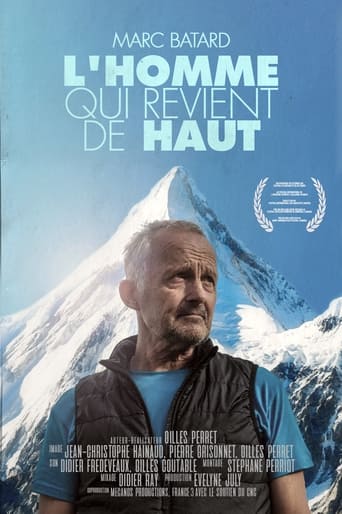
What compels a man to push the limits of what is attainable ever higher? After thirty years of relentless struggle with the highest peaks on earth, Marc Batard has finally found the answers to these questions. He had to reach the summit of Everest twice, once shattering the record for fastest time in 24 hours without oxygen, and climb the most difficult faces of the Alps to glimpse the path to inner healing. It was through physical suffering that he was able to confront the pain of his soul. He was finally able to talk about the violence of his childhood, the shock he carried like a ball and chain for decades. Having completed his summit therapy, Marc Batard tells his story in this documentary by Gilles Perret.
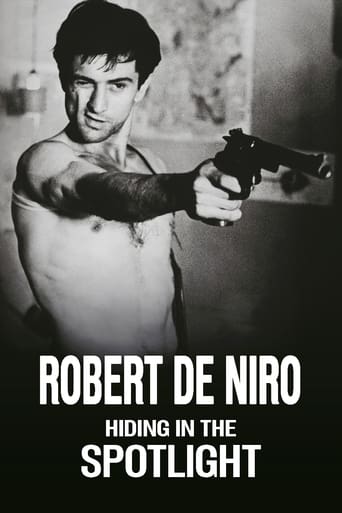
Robert De Niro is famous for his award-winning portrayals of gangsters, criminals and socially disturbed men who show surprising traces of vulnerability. By analyzing his astonishing roles in iconic films through the years, the documentary reveal the complex actor behind these extreme characters. Because the public knows little about the man who is largely silent about his own life and emotions, this film tries to unwraps one of the most fascinating and enigmatic American actors of all time for the audience. For this the filmakers use clips from his feature films, archive footage of his sparse interviews and probe into his background to illustrate De Niro’s methods for becoming the characters he plays and the reasons he’s able to do so. All of this culminates in a rare exposé of the genesis of the hidden pain that enables the masterful actor to bring such intensity to the big screen.
1981: for the first time, contemporary witnesses of the Holocaust speak on German television in the two-part documentary "Witnesses - Testimonies to the Murder of a People" - at prime time on the first channel. Only 36 years after the Second World War, Bremen filmmaker Karl Fruchtmann has created a counter-design to the US drama series "Holocaust". While there are hardly any people left today who can personally recount their experiences of the Holocaust, there were still many contemporary witnesses in the early 1980s for whom the murder of the European Jews was still very present. Karl Fruchtmann interviewed 60 survivors of the Nazi concentration camps in Israel and Poland, the tapes are in the archives of Radio Bremen, almost 80 hours of interviews, a historical legacy! Only a small part of them has been published so far.
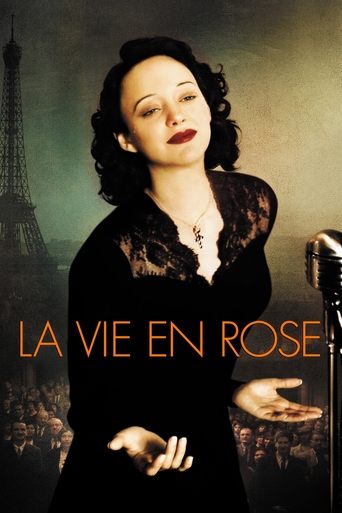
From the mean streets of the Belleville district of Paris to the dazzling limelight of New York's most famous concert halls, Edith Piaf's life was a constant battle to sing and survive, to live and love. Raised in her grandmother's brothel, Piaf was discovered in 1935 by nightclub owner Louis Leplee, who persuaded her to sing despite her extreme nervousness. Piaf became one of France's immortal icons, her voice one of the indelible signatures of the 20th century.
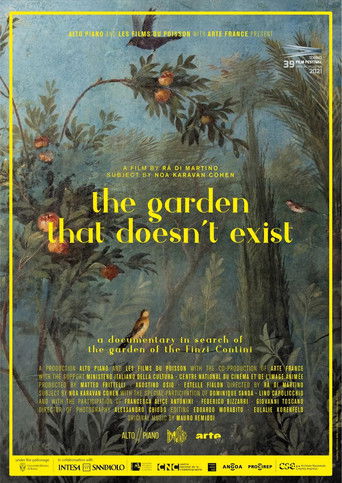
Once upon a time there was a garden, a refuge, a safe haven - 'The Garden of the Finzi Continis'. It came to life in Giorgio Bassani's 1962 semi-autobiographical novel recounting an unfulfilled love story between two young Jews in Ferrara, while fascism was raging in Italy in the late 1930's. In 1972, Vittorio De Sica's film adaptation of the book won the Oscar for Best Foreign Language Film. Since then, the fictional space of the garden became so tangible that people from all over the world come to Ferrara to look for it. Fifty years after winning the Oscar, reality and fiction come together once more, as we walk through an imaginary garden and bring to life the book, its author, its main protagonists, history, love, friendships and betrayals.