

Vito
Documentary
Overview
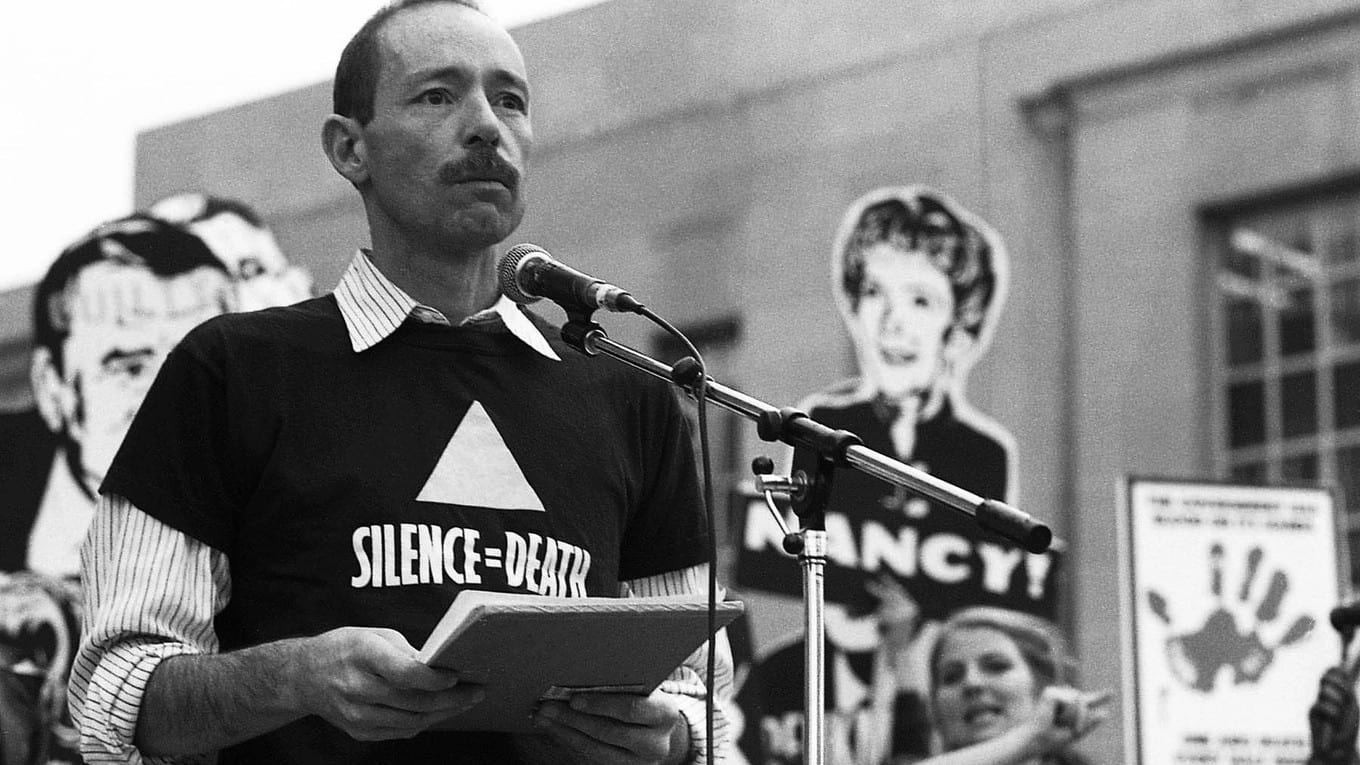
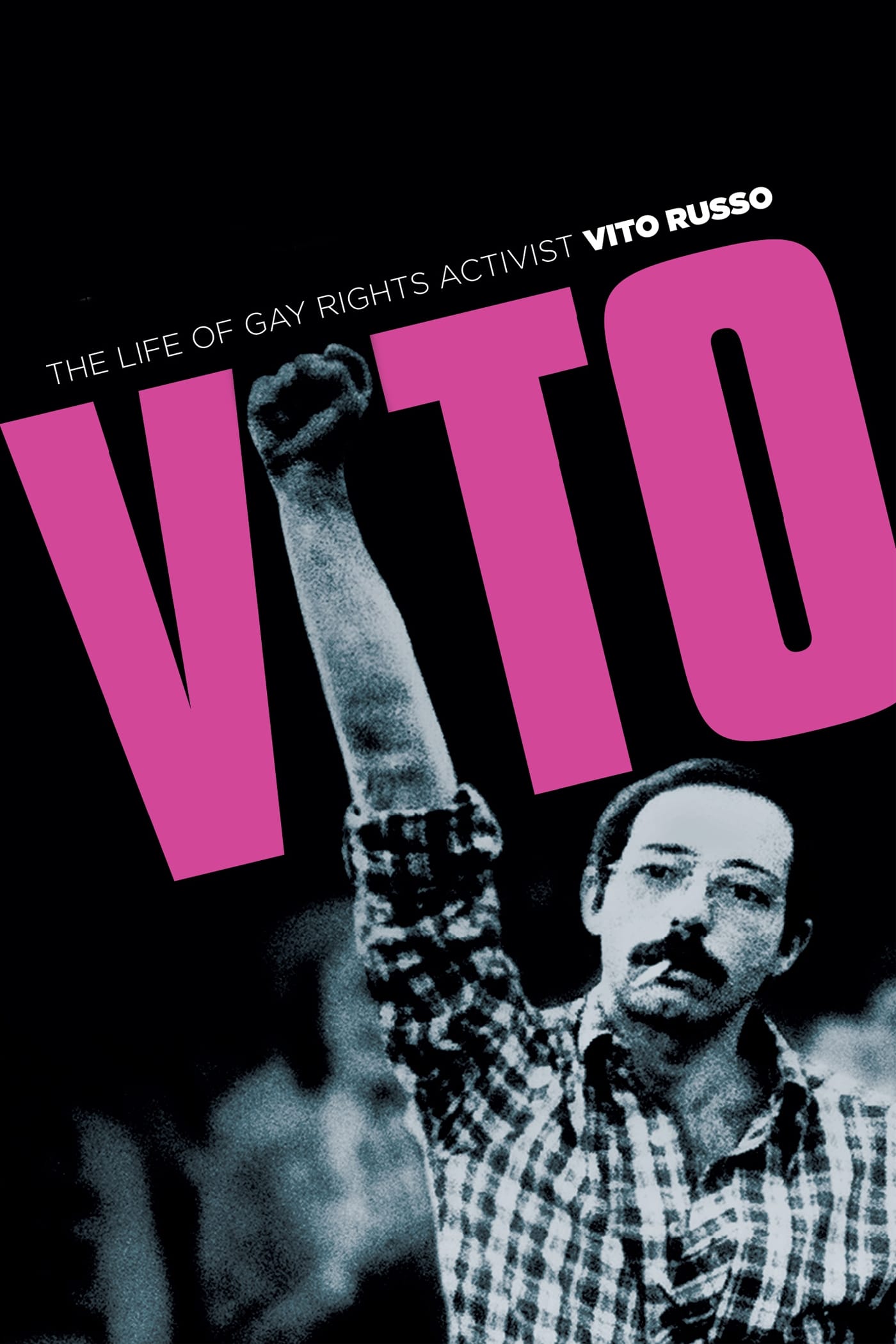
In the aftermath of Stonewall, a newly politicized Vito Russo found his voice as a gay activist and critic of LGBTQ+ representation in the media. He went on to write "The Celluloid Closet", the first book to critique Hollywood's portrayals of gays on screen. During the AIDS crisis in the 1980s, Vito became a passionate advocate for justice via the newly formed ACT UP, before his death in 1990.


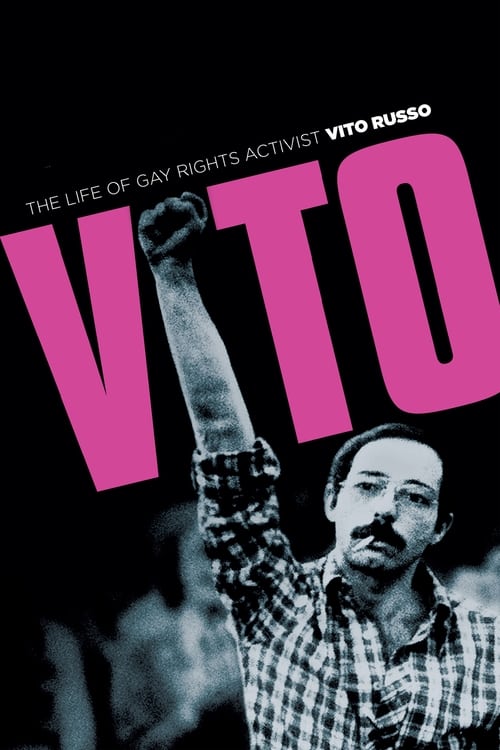
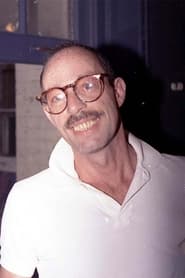
Vito Russo
Vito Russo
Self (archive)
Vito Russo
Self (archive)
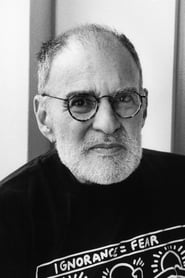
Larry Kramer
Larry Kramer
Self
Larry Kramer
Self

Lily Tomlin
Lily Tomlin
Self
Lily Tomlin
Self

Rob Epstein
Rob Epstein
Self
Rob Epstein
Self
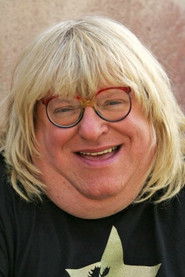
Bruce Vilanch
Bruce Vilanch
Self
Bruce Vilanch
Self
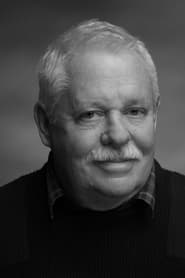
Armistead Maupin
Armistead Maupin
Self
Armistead Maupin
Self
Richard Berkowitz
Richard Berkowitz
Self
Richard Berkowitz
Self
Malcolm Boyd
Malcolm Boyd
Self
Malcolm Boyd
Self
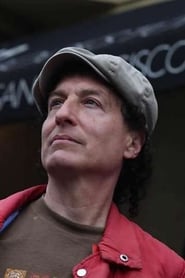
Tommi Avicolli Mecca
Tommi Avicolli Mecca
Self
Tommi Avicolli Mecca
Self

Jenni Olson
Jenni Olson
Self
Jenni Olson
Self
Similar Movies
"Race d’Ep!" (which literally translates to "Breed of Faggots") was made by the “father of queer theory,” Guy Hocquenghem, in collaboration with radical queer filmmaker and provocateur Lionel Soukaz. The film traces the history of modern homosexuality through the twentieth century, from early sexology and the nudes of Baron von Gloeden to gay liberation and cruising on the streets of Paris. Influenced by the groundbreaking work of Michel Foucault on the history of sexuality and reflecting the revolutionary queer activism of its day, "Race d’Ep!" is a shockingly frank, sex-filled experimental documentary about gay culture emerging from the shadows.
Co-curated by Jenni Olson and the late Black gay activist Karl Knapper, this entertaining showcase of vintage movie trailers traces the evolution of African American cinema through its most crucial period, 1952-1976. Filled with insights on race and social dynamics, this fascinating compendium of coming attractions explores an extensive range of stylistic approaches—Blaxploitation, Comedy, Music Bio, Plantation Drama and more—offering an outrageous joyride through motion picture history. Beyond mere camp, these marvelously condensed gems crystallize a range of African American identities and personalities, tracking the meteoric careers of Sidney Poitier, James Earl Jones, Billy Dee Williams, Richard Pryor, Pam Grier and others through their bold performances in movies both hugely popular and practically forgotten. Afro Promo provides a compact glimpse at the representation of African Americans through twenty-five dynamic years of American cinema history.
In the indigenous communities around the town of Juchitán, the world is not divided simply into males and females. The local Zapotec people have made room for a third category, which they call “muxes” - men who consider themselves women and live in a socially sanctioned limbo between the two genders.
Working men and women leave through the main gate of the Lumière factory in Lyon, France. Filmed on 22 March 1895, it is often referred to as the first real motion picture ever made, although Louis Le Prince's 1888 Roundhay Garden Scene pre-dated it by seven years. Three separate versions of this film exist, which differ from one another in numerous ways. The first version features a carriage drawn by one horse, while in the second version the carriage is drawn by two horses, and there is no carriage at all in the third version. The clothing style is also different between the three versions, demonstrating the different seasons in which each was filmed. This film was made in the 35 mm format with an aspect ratio of 1.33:1, and at a speed of 16 frames per second. At that rate, the 17 meters of film length provided a duration of 46 seconds, holding a total of 800 frames.
Once upon a time there was a garden, a refuge, a safe haven - 'The Garden of the Finzi Continis'. It came to life in Giorgio Bassani's 1962 semi-autobiographical novel recounting an unfulfilled love story between two young Jews in Ferrara, while fascism was raging in Italy in the late 1930's. In 1972, Vittorio De Sica's film adaptation of the book won the Oscar for Best Foreign Language Film. Since then, the fictional space of the garden became so tangible that people from all over the world come to Ferrara to look for it. Fifty years after winning the Oscar, reality and fiction come together once more, as we walk through an imaginary garden and bring to life the book, its author, its main protagonists, history, love, friendships and betrayals.