

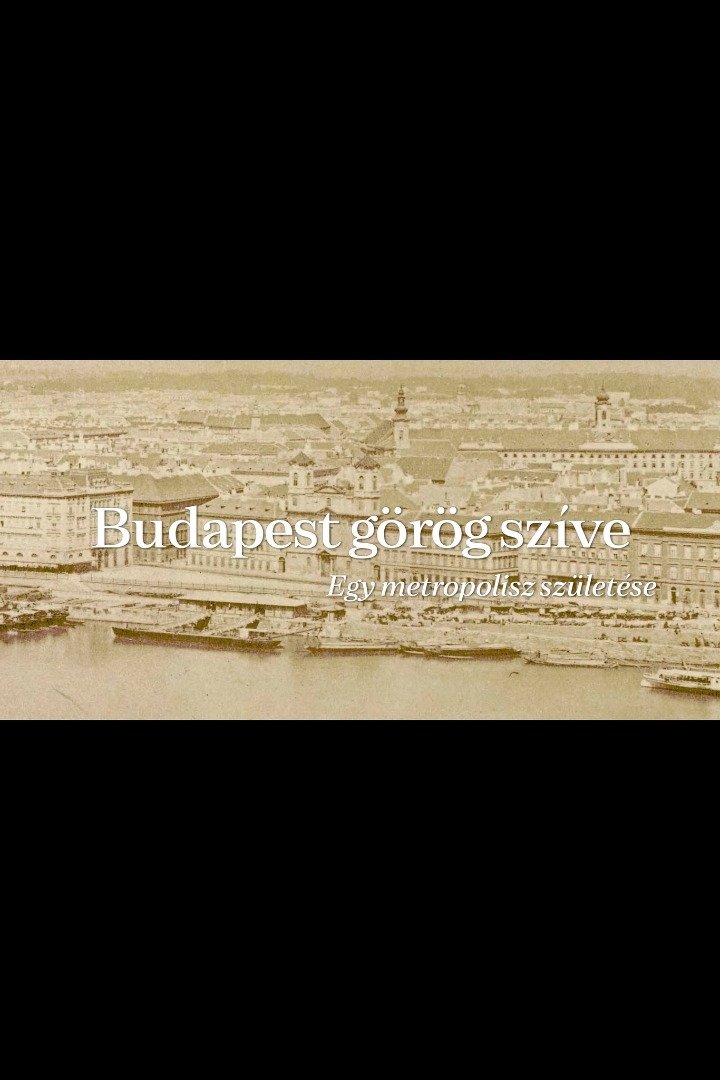
The Greek Heart of Budapest
Documentary
Overview
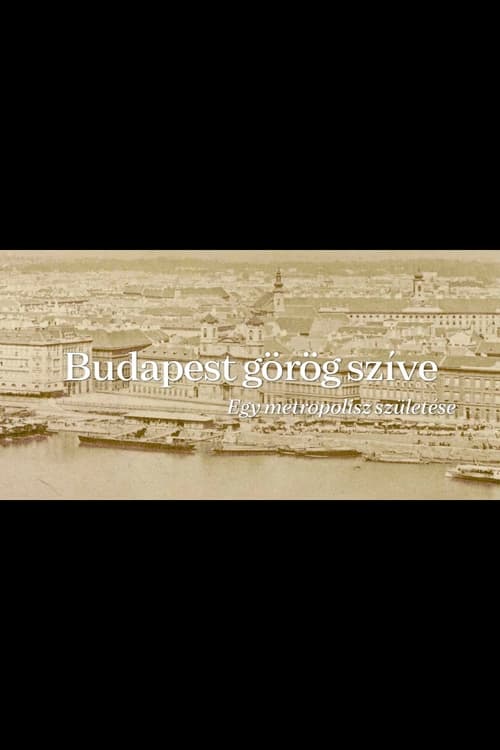
After the Turkish empire's fall a small Greek diaspora fertilized the Hungarian capital city of Pest in the 19th century. This Greeks are involved all of the major investments of that time. For example Chain Bridge could not had been built without a Greek trader family, the Sina's money.




Nóra Trokán
Nóra Trokán
Narrátor (voice)
Nóra Trokán
Narrátor (voice)
Fokasz Nikosz
Fokasz Nikosz
Himself
Fokasz Nikosz
Himself
Csorba László
Csorba László
Himself
Csorba László
Himself
Kerényi B. Eszter
Kerényi B. Eszter
Herself
Kerényi B. Eszter
Herself
Gerő András
Gerő András
Himself
Gerő András
Himself
Agárdi-Szpirosz Bendegúz
Agárdi-Szpirosz Bendegúz
Himself
Agárdi-Szpirosz Bendegúz
Himself
Nyáry Krisztián
Nyáry Krisztián
Himself
Nyáry Krisztián
Himself
Marótzy Katalin
Marótzy Katalin
Herself
Marótzy Katalin
Herself
Glaser Tamás
Glaser Tamás
Himself
Glaser Tamás
Himself
Diószegi György
Diószegi György
Himself
Diószegi György
Himself
Similar Movies
A documentary chronicling the adolescent years of Elie Wiesel and the history of his sufferings. Eliezer was fifteen when Fascism brutally altered his life forever. Fifty years later, he returns to Sighetu Marmatiei, the town where he was born, to walk the painful road of remembrance - but is it possible to speak of the unspeakable? Or does Auschwitz lie beyond the capacity of any human language - the place where words and stories run out?
Captured by the Red Army during World War II, Hungarian soldier András Toma was admitted to a Soviet psychiatric hospital. After disappearing from prisoner-of-war records, he was presumed dead in Hungary. Because his name was incorrectly recorded in medical documents and he spoke only Hungarian—mistaken by staff for incoherent speech—Toma spent decades misunderstood and isolated in the institution. Fifty-three years later, a visiting Slovak doctor recognised his language, triggering an investigation by Hungarian authorities. Toma was repatriated in 2000, believed to be the last prisoner of war from World War II to return home.

Regnum Fest is a documentary that examines reenactors dedicated to preserving the traditions of the Hungarian conquest and the Árpád era, showcasing various groups that recreate life from the 10th to the 13th centuries. The leaders of these groups share insights into their work in historical reenactment and armed combat, both on foot and horseback.
In the final days of the American Civil War, an emigre Hungarian military officer attempts to map the situation of the enemy. Many veterans of the 1848 War of Independence in Hungary fought on the northern side. Experienced Fiala, Boldogh who struggles with homesickness and the reckless Vereczky all experience their enforced emigration in different ways and news of impending peace elicits different reactions from them all.

Maria suffers from the strangest illness; it resembles cancer but with one distinct difference: it somehow connects Maria to the fate of a 15th century woman named Donna Maria. Maria begins to time travel, gradually discovering the absolute brutality of history. She learns that Donna Maria was a Hungarian princess taken to a Bursa harem as a concubine of Ottoman's Sultan.
Janos and Kata are thrown together during the Second World War and forced to pose as husband and wife to hide from the Nazis. The intensity and suffocating intimacy of their new relationship and the circumstances in which they find themselves, forces them to confront past prejudices and assumptions and challenge what they truly believe.
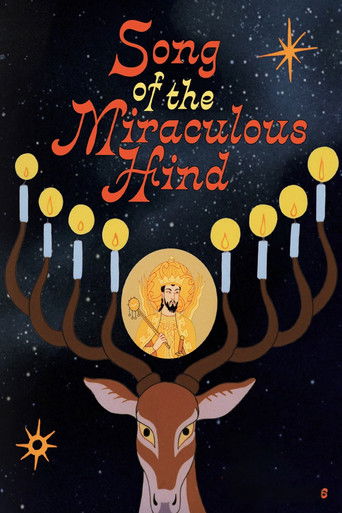
Divided into four sections, "Song" is inspired by the Siberian and Finno-Ugric legends about Creation, in which the world begins with characters who are only half-human, one being half-bird, the other half-bear. The narrator delves into the origins of Hungarian culture, the Iranian and Turkish influences that impacted the society, and finally the story of Stephen, the emperor who brought Christianity to the country and shifted the capital west in an attempt to link with Europe.
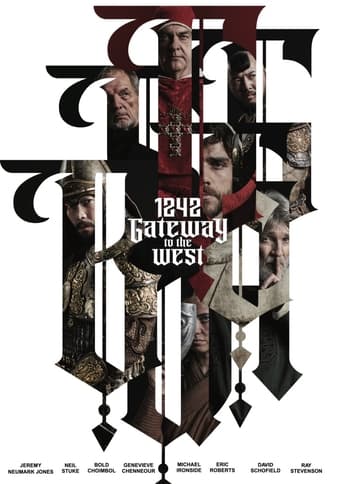
After the Hungarian army was annihilated by the Mongols at the battle of Mohi, only the castle of Esztergom stood in the Mongolians' way of invading the rest of Europe. Batu Khan, the grandson of Genghis Khan, reaches the walls of Esztergom with his invincible troops. The castle's defenders, led by Eusebius, the canon of Esztergom, and a Spanish mercenary, Captain Simon, are preparing for the final battle. The sudden arrival of Cardinal Cesareani, the Papal Legate, coinciding with the Mongol Lunar New Year celebrations and the mystical practices of Eusebius, combine to offer the defenders a small glimmer of hope.

The life of King Béla IV's daughter is brought to life in the film. Blessed Margaret of the House of Árpád was raised from the age of nine in the monastery of the Domokos nuns on the island of Nyulak. In the neighbouring monastery live monks, among them Jancsi, the gardener's son, who is charmed by the little princess. The feeling of love gives him the cross and the adolescent boy becomes a monk among the "prisoners of God".
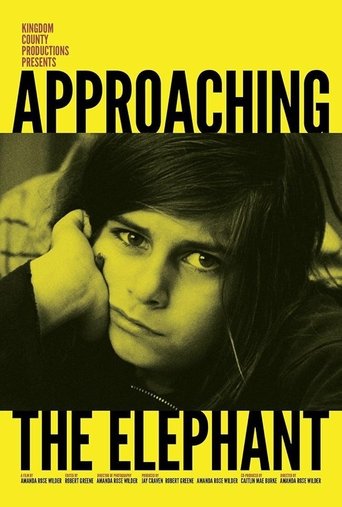
APPROACHING THE ELEPHANT is a feature-length documentary about The Teddy McArdle Free School, where classes are optional and rules are made by democratic vote. Summerhill, founded 90 years ago by A. S. Neill, was the first free school - now there are more than 200 worldwide. Approaching the Elephant chronicles a free school in the making - spanning two years, from Teddy McArdle's first day when there were no rules or classes, through the changing of the school's director and the expulsion of a student by democratic vote, to the last day of the second year, APPROACHING THE ELEPHANT is an intimate portrait of a small group of people from a range of educational backgrounds, come together to forge a place where children are treated as equals, at liberty to spend their days however they please.