

Water for the Prairies
Documentary
Overview
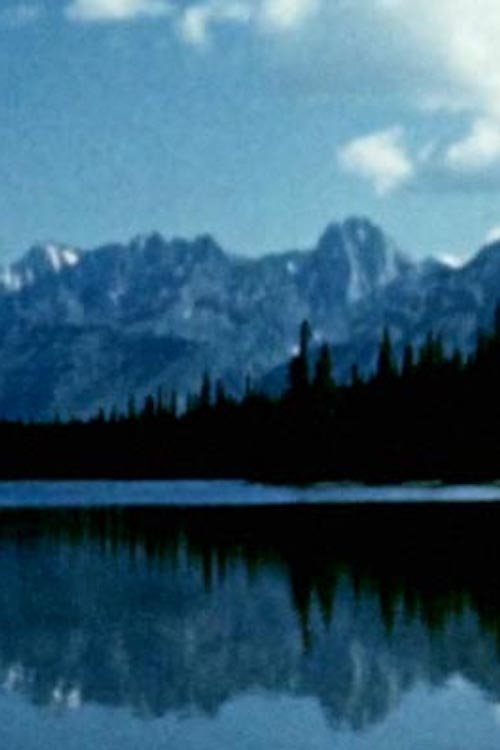
This 1950s' film looks at the measures to preserve water flow from the Rocky Mountains. With the steady falling of the water table, the exploitation of timber stands and the recession of glaciers, water conservation was an urgent concern of the Alberta and federal governments.


No cast information.
Similar Movies
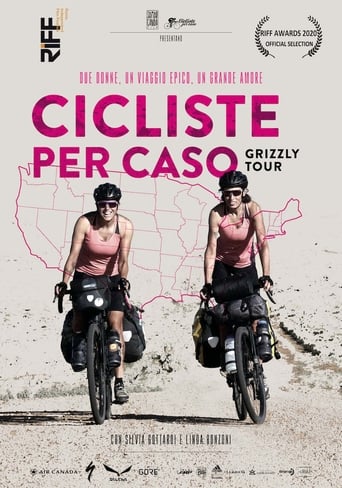
The one-off documentary tells the story of two women travelling by bike across the United States, from Canada to Mexico along the Great Divide. A unique adventure through the most remote areas of the Rocky Mountains, between pristine nature and wild animals. An epic journey that led them to travel 4,000 km and climb 60,000 meters and that, day after day, forced them to face their own limits, their strength and fragilities, and tested their relationship. Because every journey is always a love story.
The coronavirus is affecting the entire planet, killing thousands, changing the way we see the world and pushing our societies to rethink its habits deeply. One habit to improve above all others to be able to win the fight against this new common enemy is… hand-washing. But what about those places where fresh water is not a given primary commodity
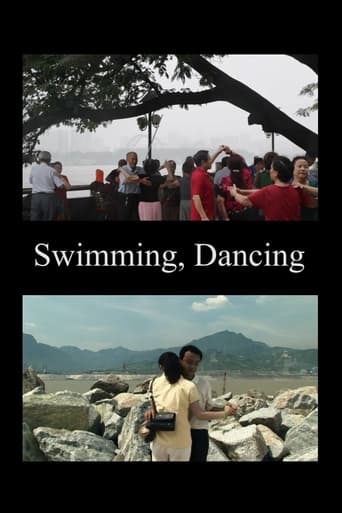
Swimming, Dancing examines audiovisual representations of the Yangtze (1934–present), from silent film to video art to the contemporary vlog. Inspired by the city symphonies of the 1920s, Swimming, Dancing pieces together a “river symphony”, evoking the images, sounds and contradictions that make up the river’s turbulent history.
Everyone has a skeleton or two in his or her closet, but what about the director behind some of the most successful thrillers ever to hit the silver screen? Could M. Night Shyamalan be hiding a deep, dark secret that drives his macabre cinematic vision? Now viewers will be able to find out firsthand what fuels The Sixth Sense director's seemingly supernatural creativity as filmmakers interview Shyamalan as well as the cast and crew members who have worked most closely with him over the years. Discover the early events that shaped the mind of a future master of suspense in a documentary that is as fascinating as it is revealing.
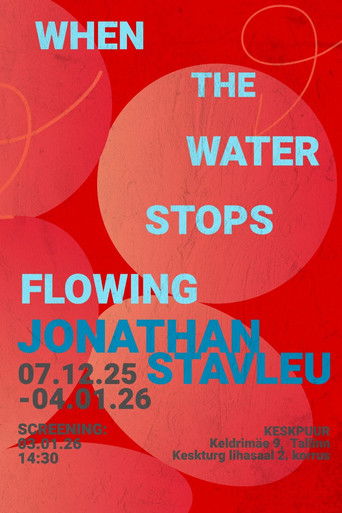
Jonathan Stavleu explores, in a stream-of-consciousness video essay, the relationship people have with water and what happens when access to it is taken away. For this work, he examines anecdotal histories he has heard from Estonians, as well as stories from his own family history in the Netherlands, weaving them together into a journal-like narrative.
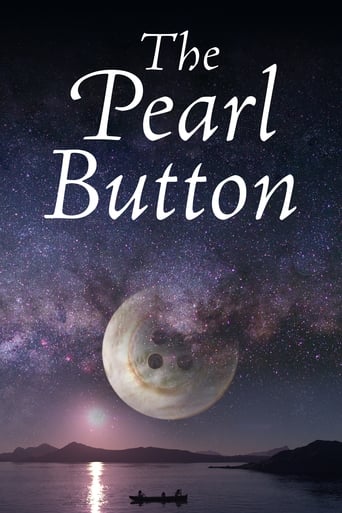
The ocean contains the history of all humanity. The sea holds all the voices of the earth and those that come from outer space. Water receives impetus from the stars and transmits it to living creatures. Water, the longest border in Chile, also holds the secret of two mysterious buttons which were found on its ocean floor. Chile, with its 2,670 miles of coastline and the largest archipelago in the world, presents a supernatural landscape. In it are volcanoes, mountains and glaciers. In it are the voices of the Patagonian Indigenous people, the first English sailors and also those of its political prisoners. Some say that water has memory. This film shows that it also has a voice.
The decision to move to Holland doesn't sound like a wise idea. Why move to a country that could be flooded at any moment? For the last 25 years, the political climate has shifted. The public debate on migration has become harsher, more heated, and polarized. What would have been considered right-wing xenophobia back then, is now considered mainstream. Populists simplify complex realities into good and evil, victims and perpetrators: ‘us’ versus ‘them’. Their rhetoric often consists of dehumanizing words and metaphors. One of these is ‘water’. In reality, water is not an immediate threat to the average Dutch person; but it is a huge threat to the thousands trying to reach the Netherlands. People trying to survive the Mediterranean Sea in rubber boats. Trying to survive winter on the Aegean coast in primitive tents. To them, water really is deadly.
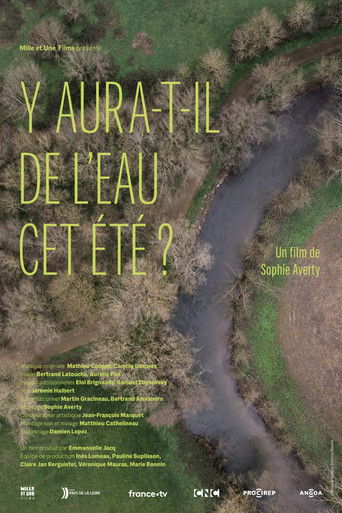
Through encounters with a hydrologist, a farmer, and citizens mobilized around the Marais Poitevin, the director helps us understand the effects—on biodiversity and the state of rivers—of substitution reservoirs, also known as megabassins. For several years, Anne-Morwenn, David, Patrick, Yann, and others have been fighting for fair water sharing and devising ways to convince as many people as possible that it is time to change the agricultural model.