


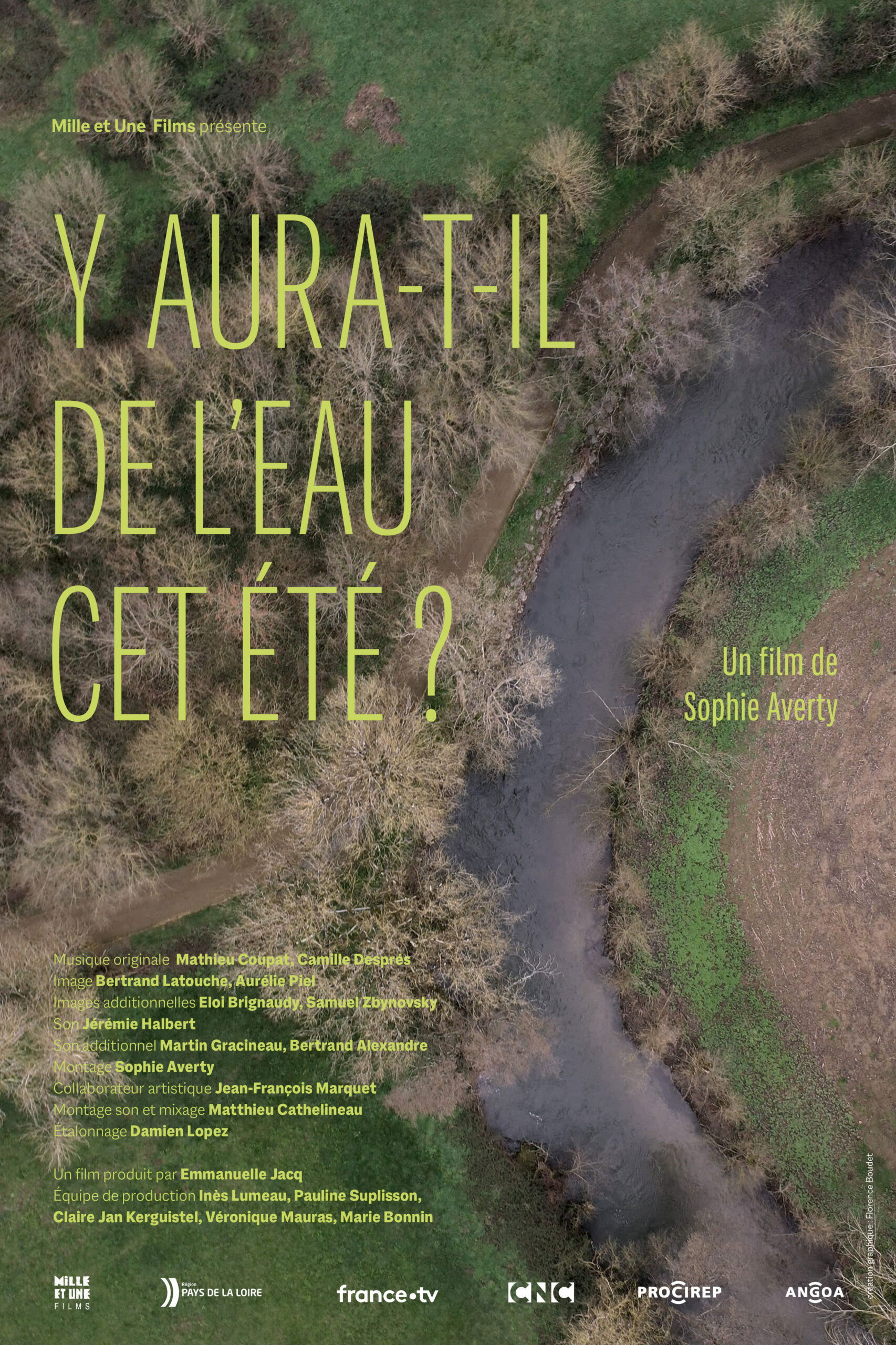
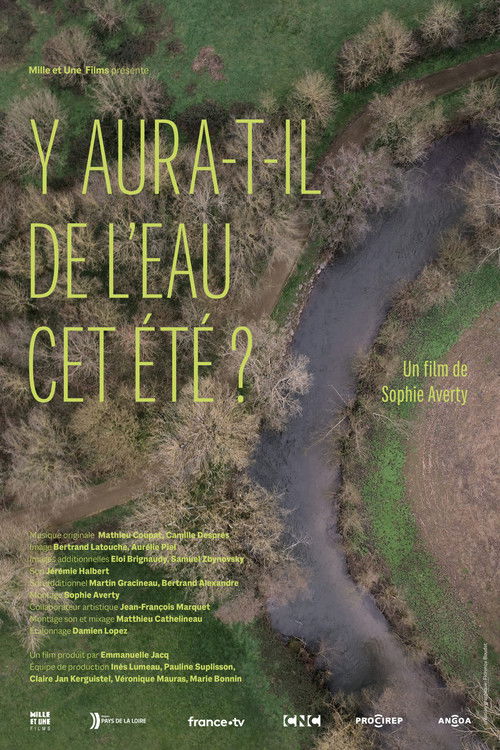
Y aura-t-il de l’eau cet été ?
Documentary
Overview
Through encounters with a hydrologist, a farmer, and citizens mobilized around the Marais Poitevin, the director helps us understand the effects—on biodiversity and the state of rivers—of substitution reservoirs, also known as megabassins. For several years, Anne-Morwenn, David, Patrick, Yann, and others have been fighting for fair water sharing and devising ways to convince as many people as possible that it is time to change the agricultural model.





No cast information.
Similar Movies

This timely, bold set of one-on-one interviews presents two of the most venerable figures from the American Left—renowned historian Howard Zinn and linguist and philosopher Noam Chomsky—each reflecting upon his own life and political beliefs. At the age of 88, Howard Zinn reflects upon the Civil Rights and anti–Vietnam War movements, political empires, history, art, activism, and his political stance. Setting forth his personal views, Noam Chomsky explains the evolution of his libertarian socialist ideals, his vision for a future postcapitalist society, the Enlightenment, the state and empire, and the future of the planet.
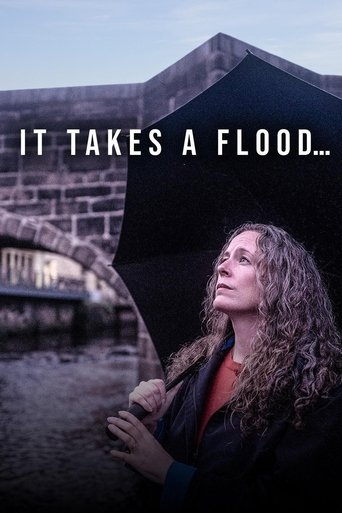
Takes viewers inside the homes of people seriously affected by increasingly ferocious floods hitting the UK. With one in six British homes now at risk of flooding, residents across the country count the cost, both financial and mental, to their communities affected by flooding over the last decade.
In a behind-the-scenes look at the biggest political upset in recent history, Mark Halperin, John Heilemann and Mark McKinnon offer unprecedented access and never-before-seen footage of candidate Trump, from the primaries through the debates to the dawning realization that the controversial businessman will become the 45th President of the United States.
abel and Antonio are human rights activists. They were awoke by the loud noise of sirens and the roar of thousands of screamings. They picked what they could, between what was the camcorder. They switched it on and started recording what their eyes could not believe: the savage assault and destruction of the largest protest camp ever raised in the Sahara: Gdeim Izik. Tried to contact international press but their satellite phone had been disabled. Antonio and Isabel had to find a way to show these images to the world. It wouldn't be easy. They would have to spend nine days hidden in a safe house during one of the most obscure incidents in the Moroccan history.
In this intimate portrait addressed directly to Hélène Hazera, filmmaker Judith Abitbol revisits a key figure of France’s countercultures from the late 1960s to the 1990s. A member of the Gazolines and the FHAR (Homosexual Front for Revolutionary Action), Hazera was a tireless LGBTQ activist who founded Act Up’s Trans and AIDS commissions—one of her proudest achievements. Her true victory, however, was becoming the first transgender journalist at a major national newspaper (Libération), and later a producer at Radio France and France TV. Through her story, Abitbol reconnects with the insurrectionary spirit and creative chaos of those decades—an era when French culture was shaken by radical imagination, humor, and defiance. The film celebrates these modern Antigones who dared to live their desires beyond the reach of any law.