

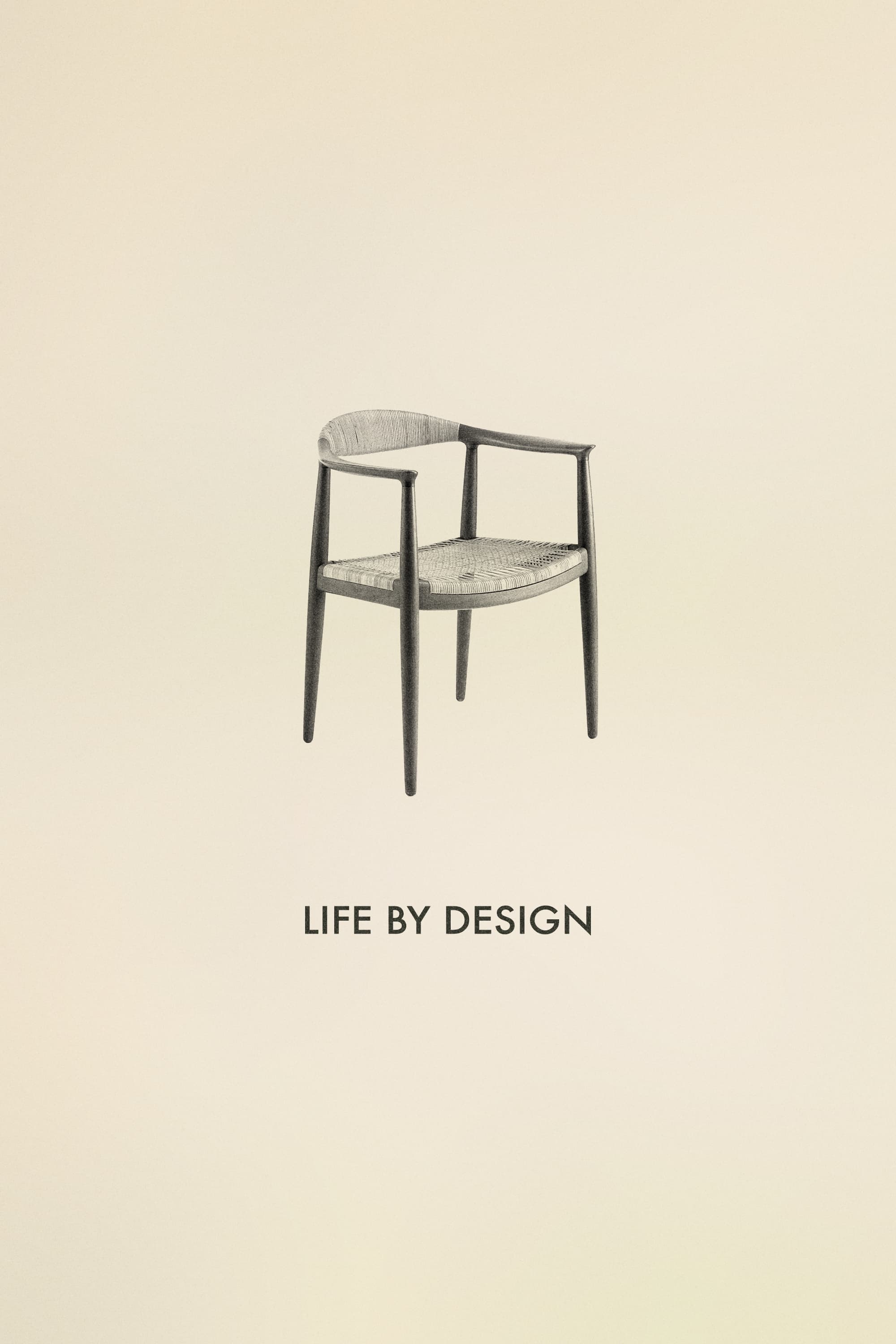
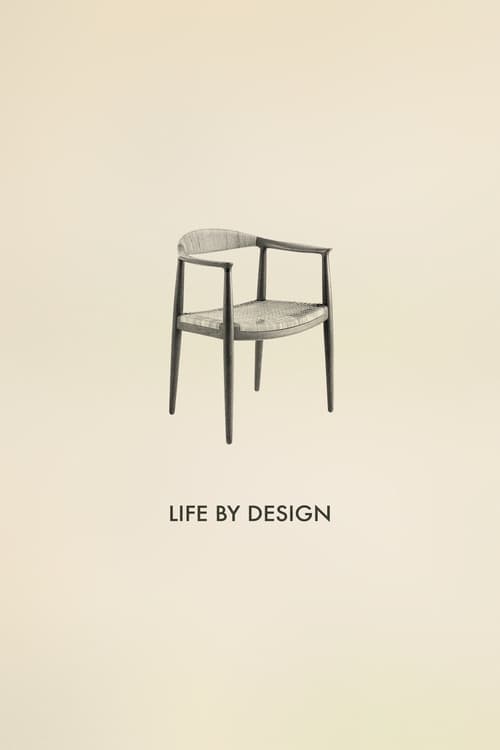
Life by Design
Documentary
Overview
A documentary about the history of modern Danish Design and architecture and its worldwide impact on contemporary international designers.






JB Blanc
JB Blanc
Narrator
JB Blanc
Narrator
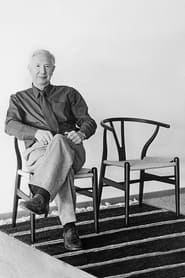
Hans Wegner
Hans Wegner
Self (Archival Footage)
Hans Wegner
Self (Archival Footage)
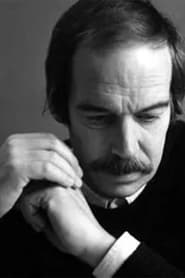
Poul Kjærholm
Poul Kjærholm
Self (Archival Footage)
Poul Kjærholm
Self (Archival Footage)
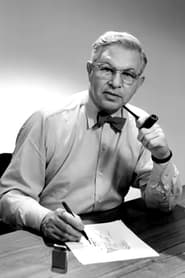
Arne Jacobsen
Arne Jacobsen
Self (Archival Footage)
Arne Jacobsen
Self (Archival Footage)
Paul Bentel
Paul Bentel
Self
Paul Bentel
Self
Peter Bentel
Peter Bentel
Self
Peter Bentel
Self
Louise Campbell
Louise Campbell
Self
Louise Campbell
Self
Henry Fisker
Henry Fisker
Self
Henry Fisker
Self
Knud Erik Hansen
Knud Erik Hansen
Self
Knud Erik Hansen
Self
Jacob Holm
Jacob Holm
Self
Jacob Holm
Self
Similar Movies
A jetliner spans the miles, sheering through clouds to open sky and scenic vistas of the provinces below. Glimpses of town and country, of people of many ethnic origins, of a resourceful and industrious nation - impressions it would take days and weeks to gather at first hand - are brought to you in this vivid 1800-kilometer panorama.
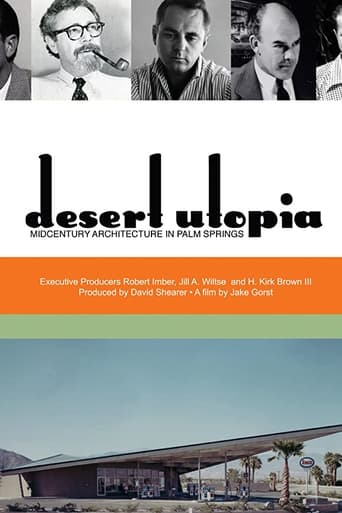
Southern California’s Coachella Valley, including the communities of Palm Springs, Palm Desert, Desert Hot Springs, boasts hundreds of extraordinary midcentury modern homes, public buildings and commercial structures. Modern designers such as William F. Cody, Albert Frey, William Krisel, John Lautner, Richard Neutra, R.M. Schindler, Donald Wexler, E. Stewart Williams left their collective mark on this desert paradise. Desert Utopia: Mid-Century Architecture in Palm Springs traces the history of modern architecture in Palm Springs from the first bold forays into modernist design to the preservation challenges facing the region today. Director Jake Gorst’s film features rare archival images and footage as well as interviews with historians, homeowners and the architects who helped create this mecca of modernism.
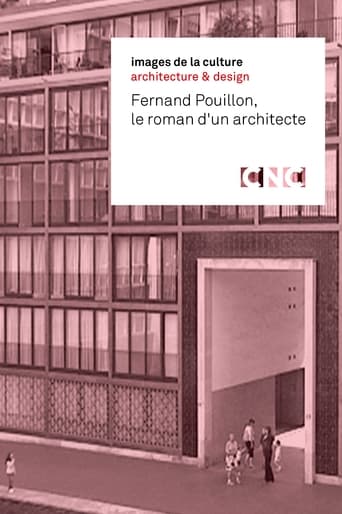
Constructing freestone buildings on the cheap, Pouillon made a name for himself at the end of the 1940s in Aix-en-Provence and Marseille, shaking up his peers who only dreamed of towers and concrete bars. In Algiers, until Independence, he built in record time thousands of homes for the poorest, real urban projects inspired by traditional forms. In the Paris region, to build comfortable buildings quickly and well, nestled in the greenery, he becomes a promoter: this too adventurous bet leads him to prison and retains his reputation. Not very explicit about this complex affair, but seduced by a contemporary architecture that combines technical inventiveness and ancient references, Christian Meunier films by multiplying the angles of view. Today's lively atmospheres are interspersed with archive footage, while Pouillon's writings are read off. Moved, his collaborators evoke a demanding and generous man, with an infectious passion.
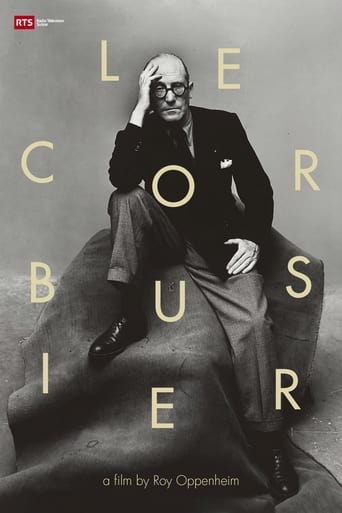
Making a documentary on Le Corbusier is not easy, because he is undoubtedly the architect most familiar to the general public but also the most unknown. If most people know his great achievements, such as the Cité radieuse of Marseille, the pavilions of the Cité universitaire de Paris or the Tourettes convent, many are unaware of his works in Moscow, Rio de Janeiro or Chandigarh. Roy Oppenheim pays a vibrant tribute to Corbusier, dismissing the criticisms and darker facets of the character. It presents the career of this pioneering architect, as well as his thinking, the essential principle of which was aimed at the development of human beings and the balance of society. Light, space and greenery are integrated into his large futuristic cities, because according to him the eyes of the inhabitants should be drawn into the distance and not into their neighbor's bathroom.
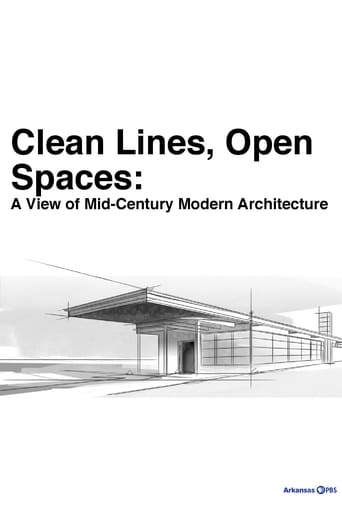
"Clean Lines, Open Spaces: A View of Mid-Century Modern Architecture" focuses on the construction boom in the United States after World War II. Sometimes considered cold and unattractive, mid-century modern designs were a by-product of post-war optimism and reflected a nation's dedication to building a new future. This new architecture used modern materials such as reinforced concrete, glass and steel and was defined by clean lines, simple shapes and unornamented facades.
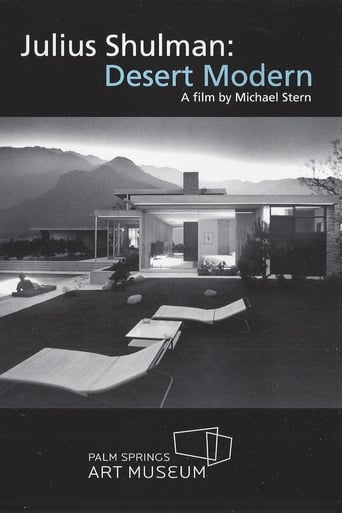
Julius Shulman: Desert Modern focuses on Shulman's remarkable 70-year documentation of the renowned Mid-Century Modern architecture of the Palm Springs area/ Shulman, at the age of 97, describes with humor and insight his artistic intentions and the back-story to some of his most legendary photographs. He is joined by noted architectural historian Alan Hess and Michael Stern, co-authors of the book, "Julius Shulman: Palm Springs". Stern is also curator of the "Julius Shulman: Palm Springs" exhibition which originated at the Palm Springs Art Museum in February 2008. The flm showcases Shulman's inspired photography of the architecture of Richard Neutra, Albert Frey, John Lautner, E. Stewart Williams, Palmer and Krisel and William Cody, among others. E. Stewart Williams' Frank Sinatra House is featured, as well as Richard Neutra's Kaufmann House, one of the most famous homes in America, largely due to Shulman's iconic 1947 photograph.
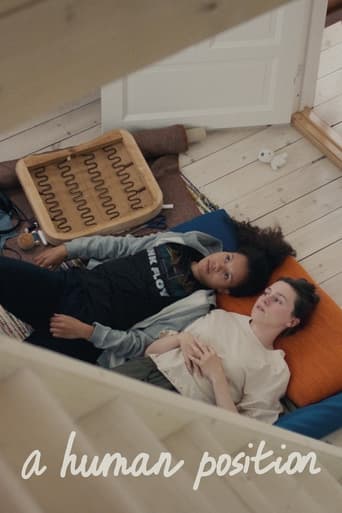
Long blue hours characterise summer nights in the sleepy Norwegian port town of Ålesund. Asta is a young journalist working for the local newspaper, where she is expected to report on local sports, historic preservation, and cruise ships. It is only when she stumbles across the strange story of a refugee’s forced deportation, that she finds new meaning in her work and life.
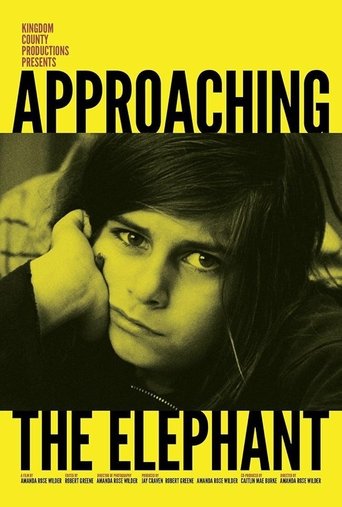
APPROACHING THE ELEPHANT is a feature-length documentary about The Teddy McArdle Free School, where classes are optional and rules are made by democratic vote. Summerhill, founded 90 years ago by A. S. Neill, was the first free school - now there are more than 200 worldwide. Approaching the Elephant chronicles a free school in the making - spanning two years, from Teddy McArdle's first day when there were no rules or classes, through the changing of the school's director and the expulsion of a student by democratic vote, to the last day of the second year, APPROACHING THE ELEPHANT is an intimate portrait of a small group of people from a range of educational backgrounds, come together to forge a place where children are treated as equals, at liberty to spend their days however they please.