

Marcus Garvey: Toward Black Nationhood
Documentary
Overview
A documentary, combining archival material and live interviews with Marcus Garvey, Jr., and others, which introduces the life and work of the pioneer Black nationalist leader Marcus Garvey.

Marcus Garvey Jr.
Marcus Garvey Jr.
Himself
Marcus Garvey Jr.
Himself
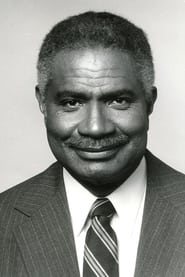
Ossie Davis
Ossie Davis
Narrator
Ossie Davis
Narrator
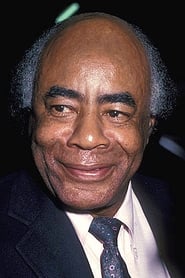
Roscoe Lee Browne
Roscoe Lee Browne
Voice
Roscoe Lee Browne
Voice
Similar Movies
Documentary on the beginnings of Algerian independence filmed during the summer of 1962 in Algiers. The film was banned in France and Algeria but won the Grand Prize at the Leipzig International Film Festival in 1965. Out of friendship, the production company Images de France sent an operator, Bruno Muel, who later declared: "For those who were called to Algeria (for me, 1956-58), participating in a film on independence was a victory over horror, lies and absurdity. It was also the beginning of my commitment to the cinema."
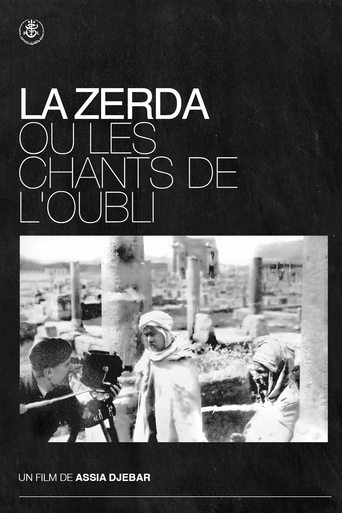
“La Zerda and the songs of oblivion” (1982) is one of only two films made by the Algerian novelist Assia Djebar, with “La Nouba des femmes du mont Chenoua” (1977). Powerful poetic essay based on archives, in which Assia Djebar – in collaboration with the poet Malek Alloula and the composer Ahmed Essyad – deconstructs the French colonial propaganda of the Pathé-Gaumont newsreels from 1912 to 1942, to reveal the signs of revolt among the subjugated North African population. Through the reassembly of these propaganda images, Djebar recovers the history of the Zerda ceremonies, suggesting that the power and mysticism of this tradition were obliterated and erased by the predatory voyeurism of the colonial gaze. This very gaze is thus subverted and a hidden tradition of resistance and struggle is revealed, against any exoticizing and orientalist temptation.
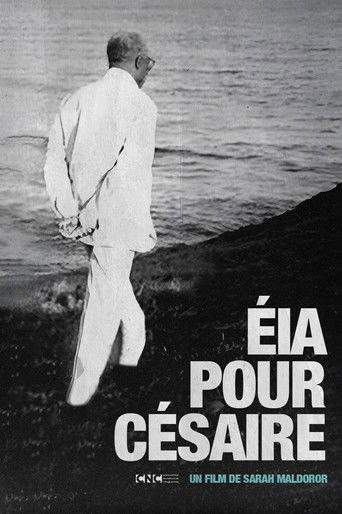
Shortly after his death in 2008, Maldoror made this film about her longtime friend and collaborator, the Négritude poet Aimé Césaire. In this film, she retraces the steps of Césaire’s travels across the globe — particularly back to his hometown in Martinique, where Maldoror interviews his relatives about his life — and her working relationship with Césaire, including fragments of her previous films about him, Un homme, une terre (1976) and Le masque des mots (1987).

Stone Street documents the life and experiences of a Trinidadian diaspora family and their enduring connection to the long standing family home in Port of Spain. Through the intersecting journeys of this extended and extensive family, the filmmaker explores themes of home, belonging and identity in a life defined by the fragmentary nature of a migratory Caribbean culture. This experimental documentary combines a lyrical first person voice with a family archive of home made audio visual artifacts, interviews and events. As the documentary explores the fragmentary nature of Caribbean identity, it simultaneously celebrates the fragments of domestic memorializing found in home movies, videos and photographs. Stone Street uses these various forms to evoke the experience of a complex and diverse Caribbean and Caribbean diaspora identity.
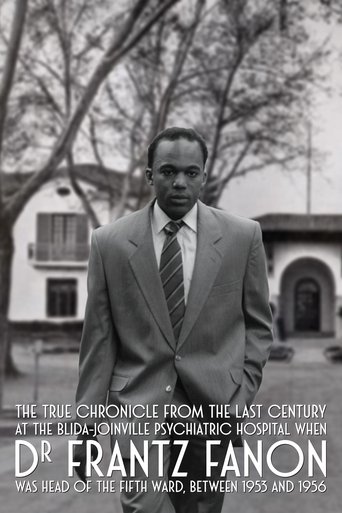
1953, colonized Algeria. Fanon, a young black psychiatrist is appointed head doctor at the Blida-Joinville Hospital. He was putting his theories of ‘Institutional Psychotherapy’ into practice in opposition to the racist theories of the Algies School of Psychiatry, while a war broke out in his own wards.
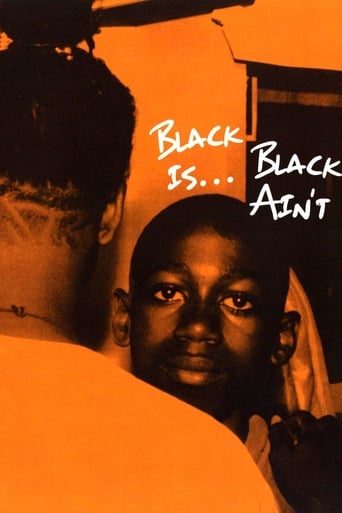
African-American documentary filmmaker Marlon Riggs was working on this final film as he died from AIDS-related complications in 1994; he addresses the camera from his hospital bed in several scenes. The film directly addresses sexism and homophobia within the black community, with snippets of misogynistic and anti-gay slurs from popular hip-hop songs juxtaposed with interviews with African-American intellectuals and political theorists, including Cornel West, bell hooks and Angela Davis.
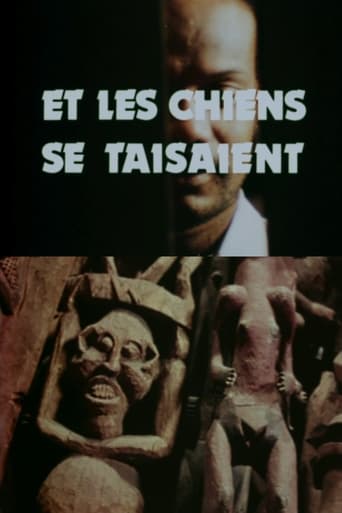
For 'Et les chiens se taisaient' Maldoror adapted a piece of theatre by the poet and politician Aimé Césaire (1913–2008), about a rebel who becomes profoundly aware of his otherness when condemned to death. His existential dialogue with his mother reverberates around the African sculptures on display at the Musée de l'Homme, a Parisian museum full of colonial plunder whose director was the Surrealist anthropologist Michel Leiris.
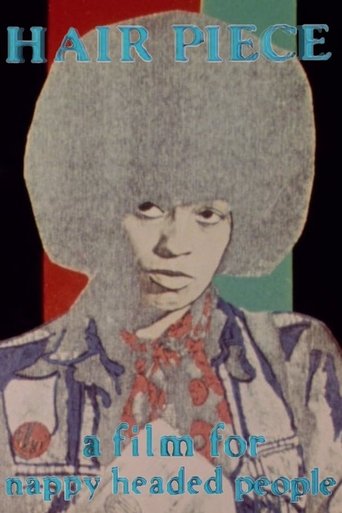
An animated satire on the question of self-image for African American women living in a society where beautiful hair is viewed as hair that blows in the wind and lets you be free. Lively tunes and witty narration accompany a quick-paced inventory of relaxers, gels, and curlers. This short film has become essential for discussions of racism, African American cinema, and empowerment.
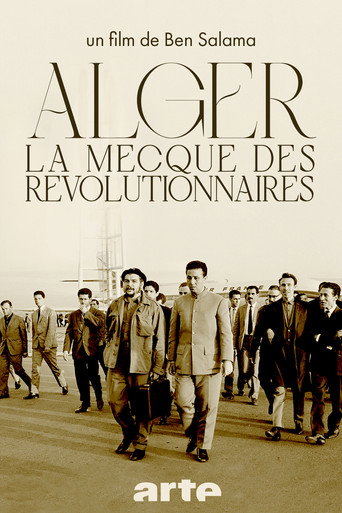
From the early 1960s to the mid-1970s, independent Algeria provided significant support to anti-colonial movements and revolutionaries worldwide. Successive presidents, Ahmed Ben Bella and then Houari Boumédiène, made Algiers a haven for activists fighting against colonial and racial oppression. Algiers the White became Algiers the Red. The internationalist Che Guevara established his base of operations there for his guerrilla activities in Africa. The African-American leader Eldridge Cleaver made it the international headquarters of the Black Panther Party. During this period, Algiers was known as "The Mecca of Revolutionaries."