

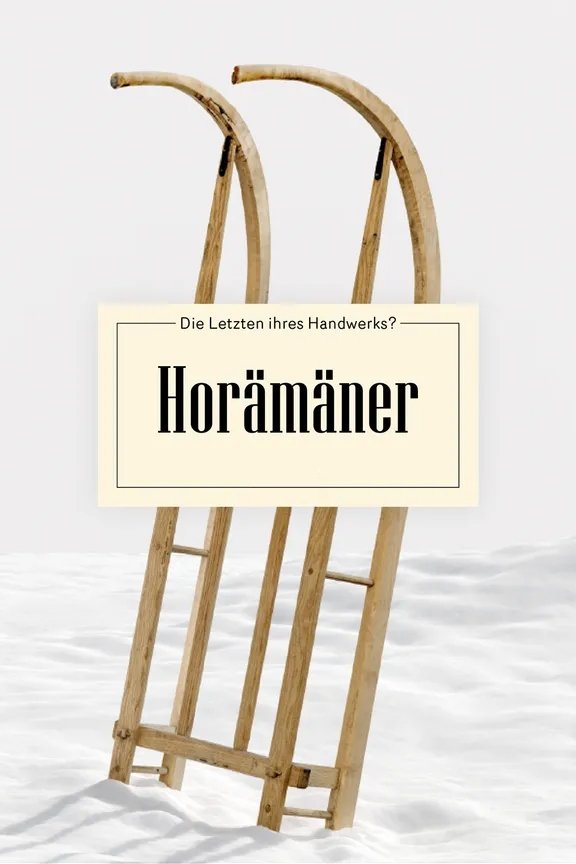
Horämäner
Documentary
Overview
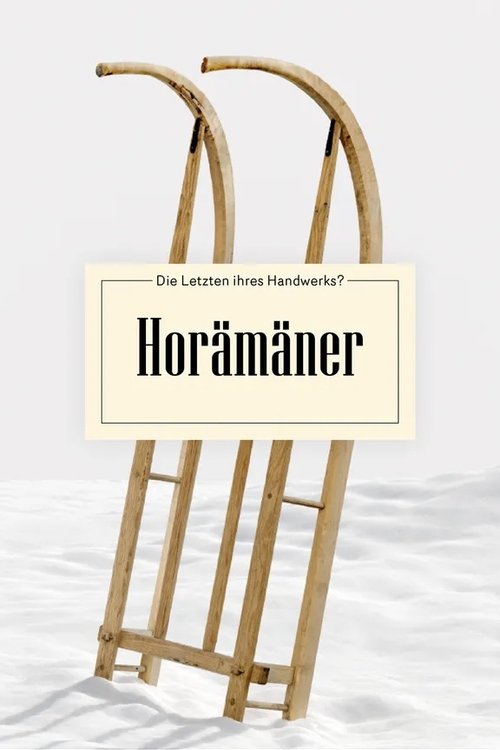
The horn sledges were used throughout the Alps in forestry and agriculture for material transports on steep terrain. In the Muota valley, in the heart of Switzerland, a group of idealists is continuing to preserve the old tradition of «Mänere».
Top Cast

Alois Langenegger
Alois Langenegger
Himself
Alois Langenegger
Himself
Similar Movies
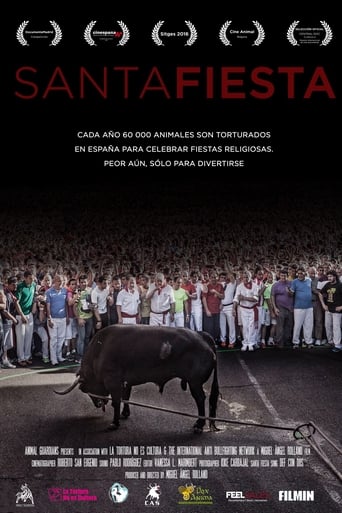
SINOPSIS / SYNOPSIS Every year in Spain, some 16,000 Fiestas are organized, during which animals are used. Honoring the Holy Virgin and the Patron Saints, and with the blessing of religious and political authorities, entire towns -including children- are involved in celebrations of unbelievable cruelty. 60,000 animals are hence abused each year during these “Fiestas of Blood”.
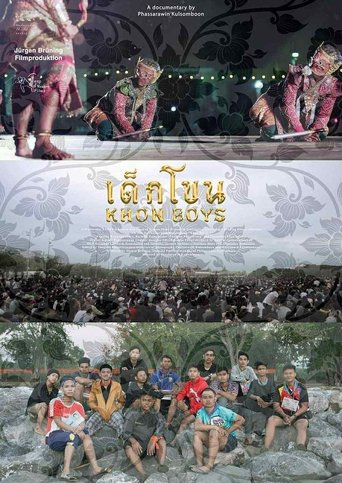
A documentary recording the lives of Khon students in their last years of study. They spent six years under the rules of the military regime after the 2014 coup d’etat. The coup granted the regime power to change many things, especially education which became more focused on the monarchy and royal glorification instead of basic human values. While the world is becoming awakened to human rights, the military regime deems them against their own values. The shooting of the film began at the time of the king’s succession, shortly after which there was a great social awakening in Thailand. Meanwhile, the authorities used state violence and oppression in an effort to eliminate dissidents, even when they were just high school and university students.
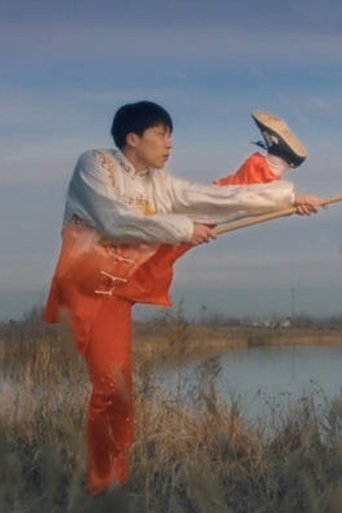
Young Masters is an original series commissioned by NOWNESS China focusing on traditional Chinese cultures, and how they continue to be defined by a new generation of the country's youth. Its first episode, Young Masters: Bajiquan, spotlights Wu Hao (吴昊), a young man in his twenties from Hebei province who is a stalwart practitioner of Bajiquan—a traditional Chinese fighting style known for its graceful stillness and sudden moments of targeted and ferocious violence. Director Haonan Shen traveled to the Mengcun Bajiquan International Training Center to profile Wu Hao whose paternal ancestor Wu Zhong (1712–1802) was the first recorded Bajiquan teacher. In this evocative portrait of a young man’s passion for sharing his family’s rich heritage, we get up close and personal with the violent elbow strikes, staff jabs, fierce rising and firm falling stances that characterize the martial art.
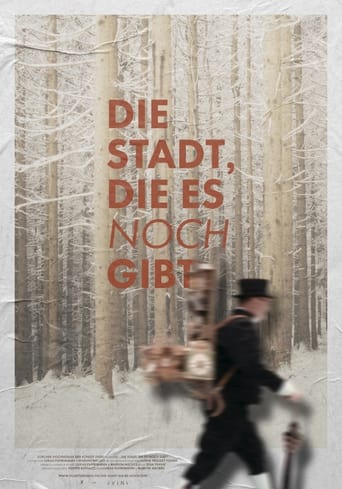
Nestled behind high mountains and dark forests lies Triberg, the birthplace of the cuckoo clock. For centuries, this cult item has been handcrafted right here, attracting tourists from all over the world. Ever since the boom of the 1980s has faded, the cuckoo clock has gradually lost its appeal and magic. And so has the place, which now resembles a ghost town. Its residents however still believe in their clock: Vendors, clockmakers and tourist guides alike fight to preserve their beloved heritage. Between abandoned restaurants and souvenir shops they hope for new tourists, while the clock continues ticking away.
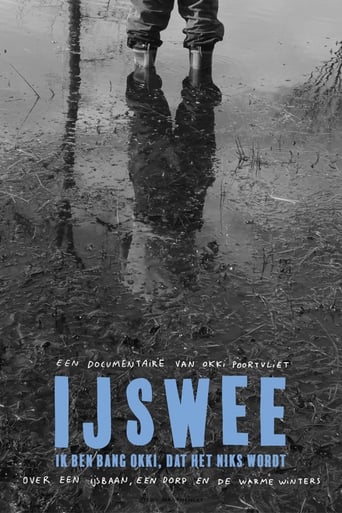
IJswee is a documentary film about an ice club, a village and the warm winters. In the film we follow Oringers, the inhabitants of Odoorn, through the winter. The Oringers all experience IJswee in their own way. You will also see the Icecounter (Rafael van der Ziel), who builds ice sculptures and drinks frozen milk. You see the Drenthe countryside changing with the weather. You see animations, archive material and you hear the mysterious sounds of IJswee in the music of Wietse de Haan. And there are two trumpet players, who welcome winter with their music and say goodbye to it.
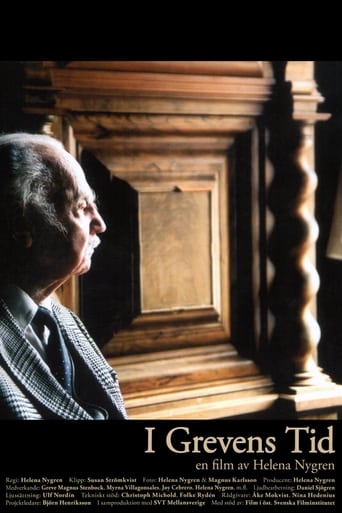
At the forests of Östergötland, where land meets sea, rests the old castle Herrborum. Here lives count Magnus Stenbock, 92, according to his own ideas about what is appropriate and what is not. Film-maker Helena Nygren is fascinated by the count and the castle, and is allowed to film on the condition that she takes the role of companion lady. Over one year, Helena returns several times to take part of count Magnus Stenbock and his servants life on castle Herrborum in Östergötland. Time stands still on the castle, and in the movie Helena wants to preserve the fairy tale feeling she gets when she steps into these ancient surroundings. The count is a strong personality with strong opinions and a great interest in history. All kinds of people come to his castle to savor the special atmosphere and follow the old fashioned rules of etiquette. Helena transforms from an observer to a lady who participates in the social games on the estate, where everything moves around its own time axis.
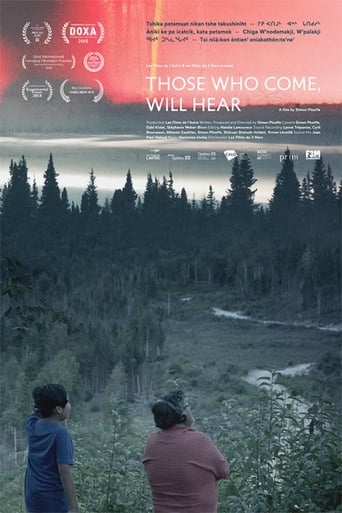
The documentary proposes a unique meeting with the speakers of several indigenous and inuit languages of Quebec – all threatened with extinction. The film starts with the discovery of these unsung tongues through listening to the daily life of those who still speak them today. Buttressed by an exploration and creation of archives, the film allows us to better understand the musicality of these languages and reveals the cultural and human importance of these venerable oral traditions by nourishing a collective reflection on the consequences of their disappearance.