

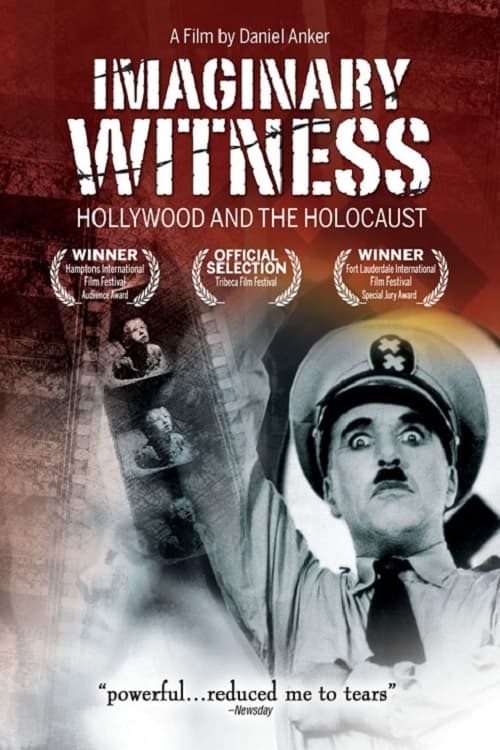
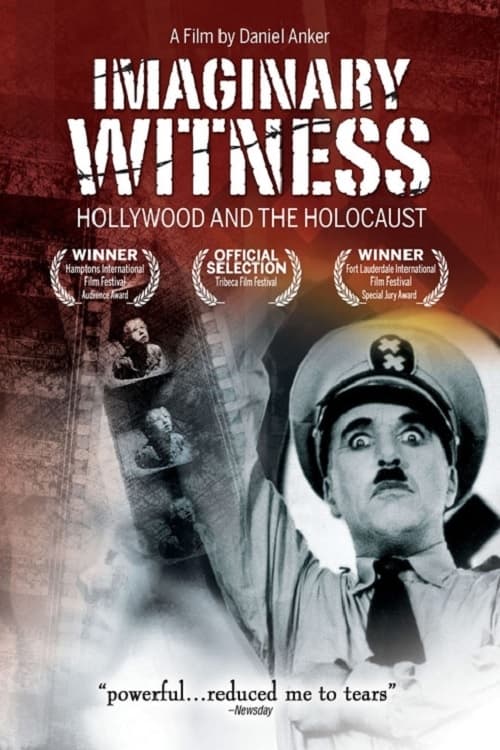
Imaginary Witness: Hollywood and the Holocaust
Documentary · History
Overview
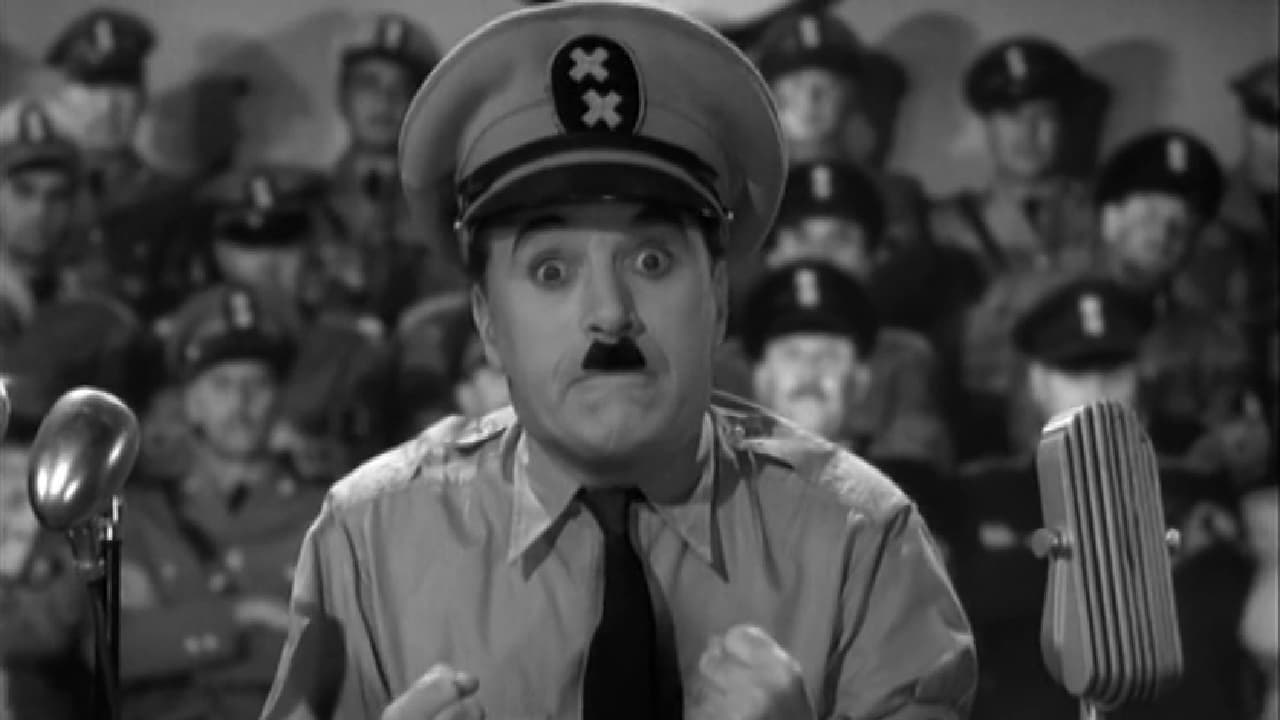
Daniel Anker’s 90-minute documentary takes on over 60 years of a very complex subject: Hollywood’s complicated, often contradictory relationship with Nazi Germany and the Holocaust. The questions it raises go right the very nature of how film functions in our culture, and while hardly exhaustive, Anker’s film makes for a good, thought provoking starting point.









Gene Hackman
Gene Hackman
Narrator
Gene Hackman
Narrator

Norma Barzman
Norma Barzman
Self
Norma Barzman
Self
Michael Berenbaum
Michael Berenbaum
Self
Michael Berenbaum
Self
Robert Clary
Robert Clary
Self
Robert Clary
Self
Dan Curtis
Dan Curtis
Self
Dan Curtis
Self
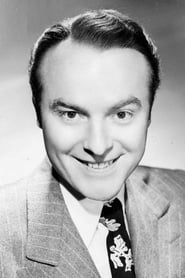
Ralph Edwards
Ralph Edwards
Self
Ralph Edwards
Self
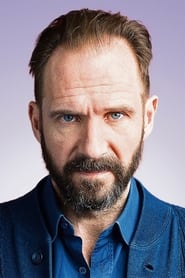
Ralph Fiennes
Ralph Fiennes
Self
Ralph Fiennes
Self
Stanley Frazen
Stanley Frazen
Self
Stanley Frazen
Self

Ben Kingsley
Ben Kingsley
Self
Ben Kingsley
Self
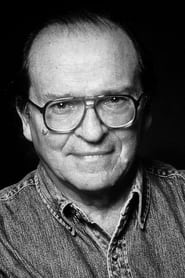
Sidney Lumet
Sidney Lumet
Self
Sidney Lumet
Self
Similar Movies
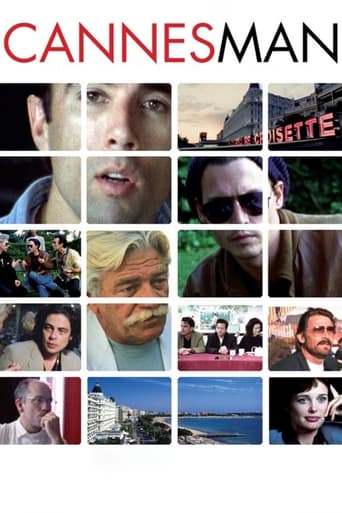
Film producer Sy Lerner makes a bet with a fellow film executive that he can turn any nobody into a star at the Cannes Film Festival. A New York cab driver who is visiting the festival is chosen as the test subject to settle the bet and Sy uses his skills of hype and manipulation to try and turn the cab driver named Frank into the talk of the town. Many celebrities make cameos throughout the film.
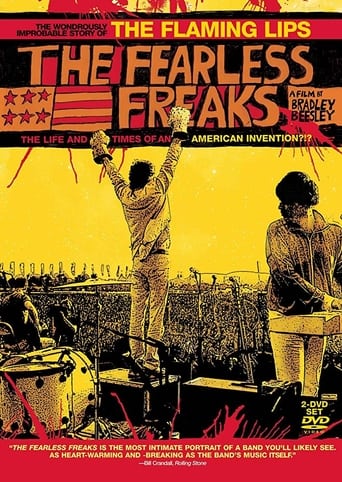
Equal parts punk and psychedelia, the Flaming Lips emerged from Oklahoma City as one of the most bracing bands of the late 1980s. The Fearless Freaks documents their rise from Butthole Surfers-imitating noisemakers to grand poobahs of orchestral pop masterpieces. Filmmaker Bradley Beesely had the good fortune of living in the same neighborhood as lead Lip Wayne Coyne, who quickly enlisted his buddy to document his band's many concerts and assorted exploits. The early footage is a riot, with tragic hair styles on proud display as the boys attempt to cover up their lack of natural talent with sheer volume. During one show, they even have a friend bring a motorcycle on stage, which is then miked for sound and revved throughout the performance, clearing the club with toxic levels of carbon monoxide. Great punk rock stuff. Interspersed among the live bits are interviews with the band's family and friends, revealing the often tragic circumstances of their childhoods and early career.

This short was released in connection with the 20th anniversary of Warner Brothers' first exhibition of the Vitaphone sound-on-film process on 6 August 1926. The film highlights Thomas A. Edison and Alexander Graham Bell's efforts that contributed to sound movies and acknowledges the work of Lee De Forest. Brief excerpts from the August 1926 exhibition follow. Clips are then shown from a number of Warner Brothers features, four from the 1920s, the remainder from 1946/47.
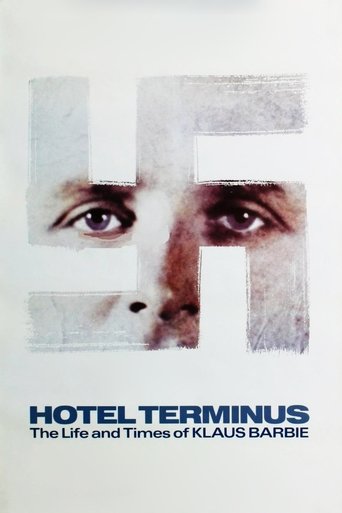
Marcel Ophuls' riveting film details the heinous legacy of the Gestapo head dubbed "The Butcher of Lyon." Responsible for over 4,000 deaths in occupied France during World War II, Barbie would escape—with U.S. help—to South America in 1951, where he lived until a global manhunt led to his 1983 arrest and subsequent trial.
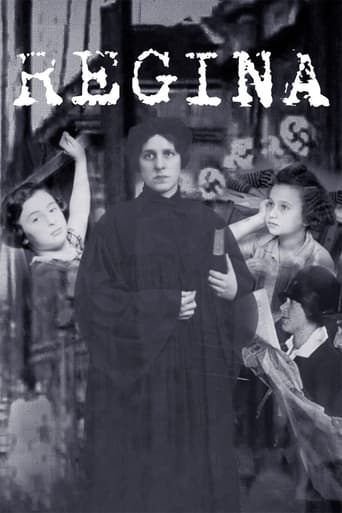
The first woman rabbi in the world, Regina Jonas, comes to light, courtesy of Rachel Weisz – who plays her – and her father George Weisz, who was the executive producer for this poetic and beautiful documentary. The daughter of an Orthodox Jewish peddler, Jonas was ordained in Berlin in 1935. During the Nazi era and the war, her sermons and her unparalleled devotion brought encouragement to the persecuted German Jews. Regina Jonas was murdered in Auschwitz in 1944. The only surviving photo of Jonas serves as a leitmotif for the film, showing a determined young woman gazing at the camera with self-confidence.
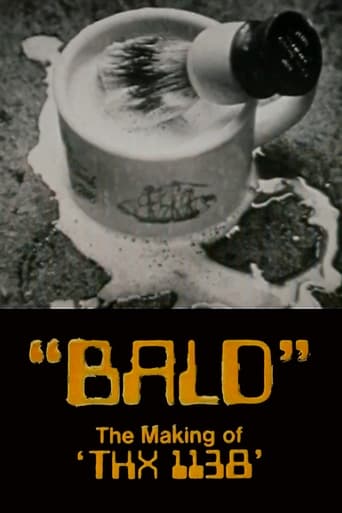
The film features a conversation between Lucas and Francis Ford Coppola, producer of THX 1138. They discuss Lucas' vision for the film, including his ideas about science fiction in general and in particular his concept of the "used future" which would famously feature in his film Star Wars. Intercut with this discussion is footage shot prior to the start of production of THX 1138 showing several of its actors having their heads shaved, a requirement for appearing in the film. In several cases the actors are shown being shaved in a public location. For example, Maggie McOmie is shaved outside the Palace of Fine Arts in San Francisco, while Robert Duvall watches a sporting event as his hair is cut off. Another actor, Marshall Efron, who would later play an insane man in the film, cut off his own hair and was filmed doing so in a bathtub.