

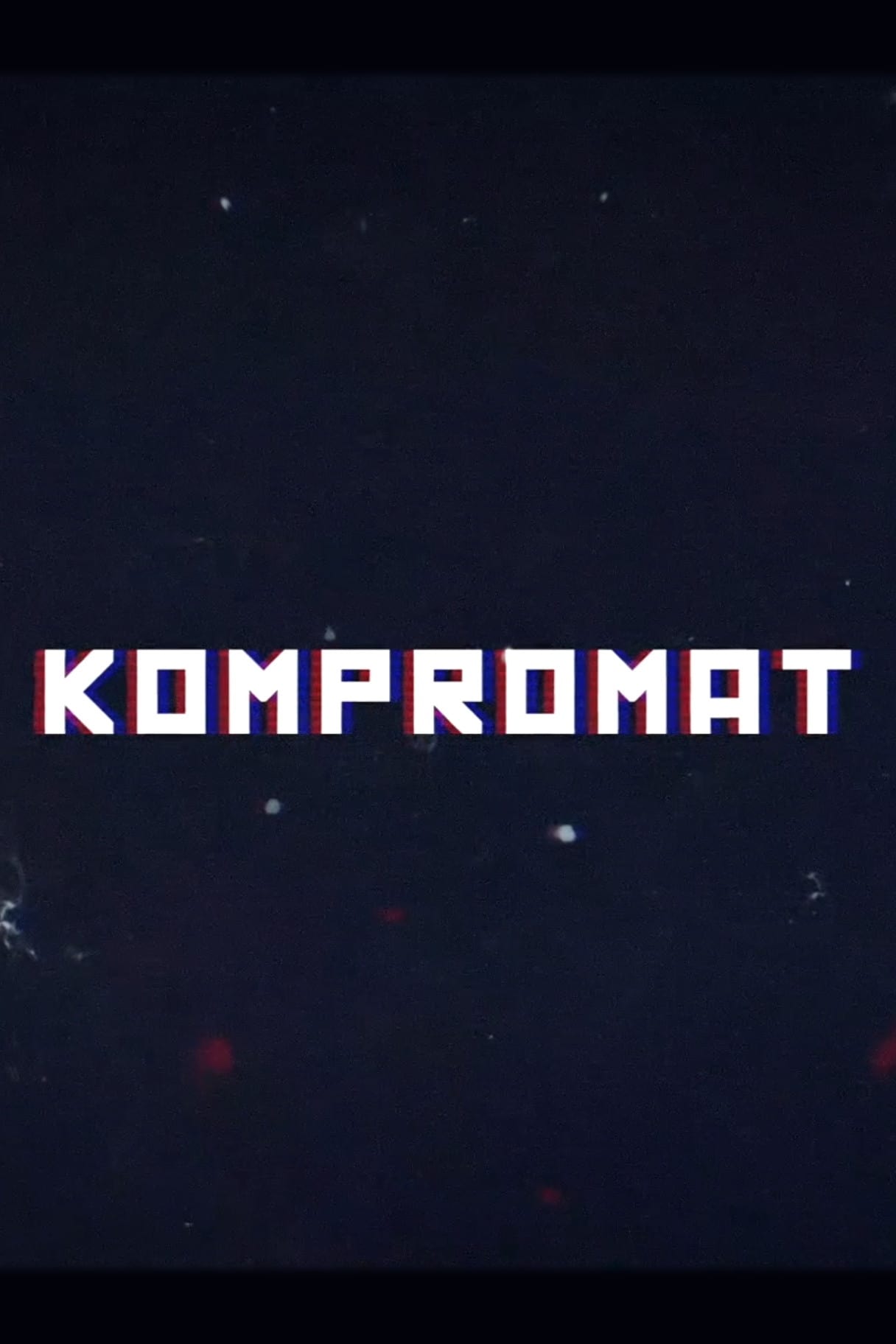
Kompromat: A John Sweeney Film
Documentary
Overview
The Russians are interested in us. There is a great concern that the British State has been compromised by an operation by the Russians. In particular, Boris Johnson and two Russians: Alexander Lebedev, the former KGB spy, and his son Evgeny.



James Cusick
James Cusick
Himself
James Cusick
Himself
Jacopo Iacaboni
Jacopo Iacaboni
Himself
Jacopo Iacaboni
Himself
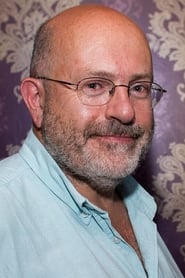
John Sweeney
John Sweeney
Himself
John Sweeney
Himself
Similar Movies

NVIDIA (NVDA) GPUs have become so in-demand for so-called "AI" workloads that a black market has emerged around them. Where there's prohibition, there's smuggling, and there's money to be made for everyone in the chain. We found smugglers, users, fences, middlemen, and institutions in China, Taiwan, and the US involved in this pipeline flowing export controlled GPUs to China. This is in violation of US Government law, which now includes imposed numerous restrictions on semiconductor processing capabilities, making legitimate export of high-end GPUs to Chinese companies or governments impossible without rarely-granted licenses. But while this is going on, the US Government, NVIDIA, and AMD have been negotiating a cut of sales of two specific models of GPU in order to unblock over $6 billion in combined lost revenue between the companies. This is our first full-length, highly produced movie we've ever created. This was made possible thanks to our viewers supporting our ambitions.

As Russia launches its full-scale invasion of Ukraine, primary schools across Russia’s hinterlands are transformed into recruitment stages for the war. Facing the ethical dilemma of working in a system defined by propaganda and violence, a brave teacher goes undercover to film what’s really happening in his own school.
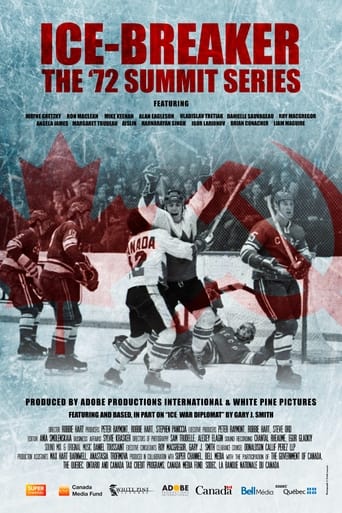
September 2022 marked the 50th anniversary of the Summit Series, the iconic hockey tournament that pitted the best players from Canada against the best from the Soviet Union. This documentary enlarges the canvas to tell the story from the unique perspectives of a diverse group who are rarely, if ever, heard: diplomats, NHL hockey legends, Soviet players, journalists, fans, broadcasters, business leaders and Team Canada’s Chairman – all reveal untold stories about what happened before, during, and after September ‘72.
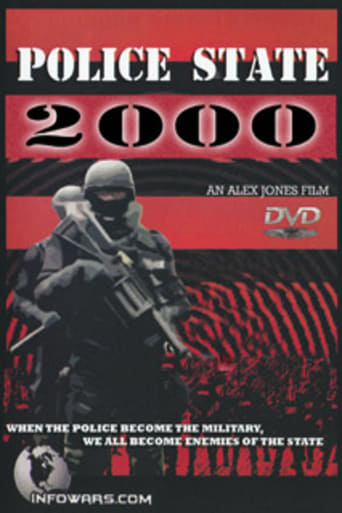
Alex Jones exposes the growing militarization of American law enforcement and the growing relationship between the military and police. Witness US training with foreign troops and learning how to control and contain civilian populations. You will see Special Forces helicopter attacks on South Texas towns, concentration camps, broad unconstitutional police actions, search and seizure and more.
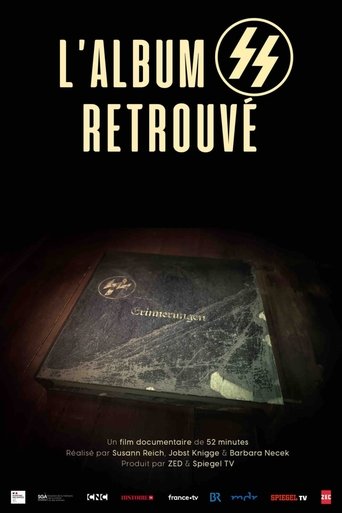
In 2016, an album containing 250 previously unseen photos of Nazi officials was discovered in the USA by Stephan Hördler, a prominent Holocaust historian, who immediately understood the album's inestimable value. The album brings together photographs of a "group of friends," all from the same region of Germany, all of whom became SS men. From 1928 to 1943, the photo album allows us to follow their journey. Hördler conducted the investigation, comparing the photos in the album with other, better-known ones, the faces of these men with those of concentration camp officials, and ultimately revealed that it was at Lichtencburg that these young men were trained, a "school" for future camp executioners, and the bonds of camaraderie and informal network that would allow them to help each other, even after the war.

The film explores the background and build-up to this final flight to disaster. Using dramatic reconstruction, archive footage and exclusive interviews with leading historians and engineering experts, the special delves into the political and scientific events that led up to the catastrophe.
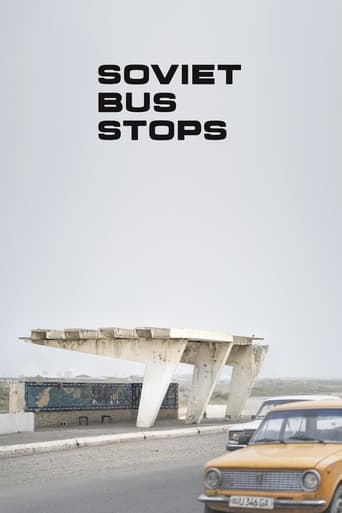
“There’s a bus stop I want to photograph.” This may sound like a parody of an esoteric festival film, but Canadian Christopher Herwig’s photography project is entirely in earnest, and likely you will be won over by his passion for this unusual subject within the first five minutes. Soviet architecture of the 1960s and 70s was by and large utilitarian, regimented, and mass-produced. Yet the bus stops Herwig discovers on his journeys criss-crossing the vast former Soviet Bloc are something else entirely: whimsical, eccentric, flamboyantly artistic, audacious, colourful. They speak of individualism and locality, concepts anathema to the Communist doctrine. Herwig wants to know how this came to pass and tracks down some of the original unsung designers, but above all he wants to capture these exceptional roadside way stations on film before they disappear.