



THE NVIDIA AI GPU BLACK MARKET
Documentary
Overview
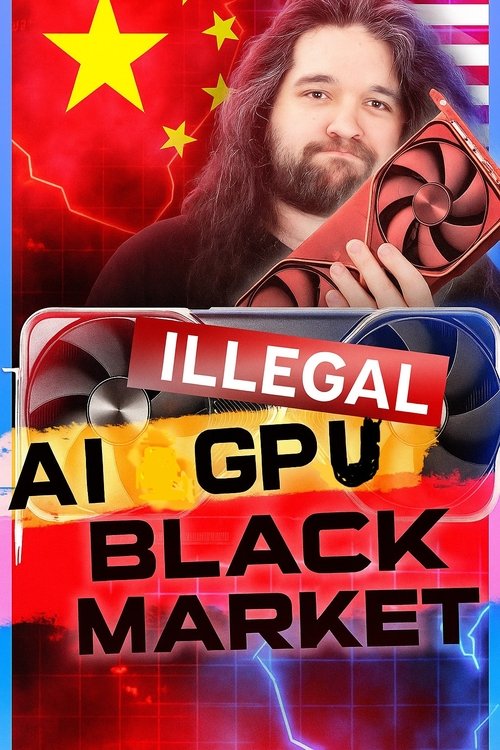
NVIDIA (NVDA) GPUs have become so in-demand for so-called "AI" workloads that a black market has emerged around them. Where there's prohibition, there's smuggling, and there's money to be made for everyone in the chain. We found smugglers, users, fences, middlemen, and institutions in China, Taiwan, and the US involved in this pipeline flowing export controlled GPUs to China. This is in violation of US Government law, which now includes imposed numerous restrictions on semiconductor processing capabilities, making legitimate export of high-end GPUs to Chinese companies or governments impossible without rarely-granted licenses. But while this is going on, the US Government, NVIDIA, and AMD have been negotiating a cut of sales of two specific models of GPU in order to unblock over $6 billion in combined lost revenue between the companies. This is our first full-length, highly produced movie we've ever created. This was made possible thanks to our viewers supporting our ambitions.
Top Cast





Steve Burke
Steve Burke
Steve Burke
Steve Burke
Steve Burke
Similar Movies
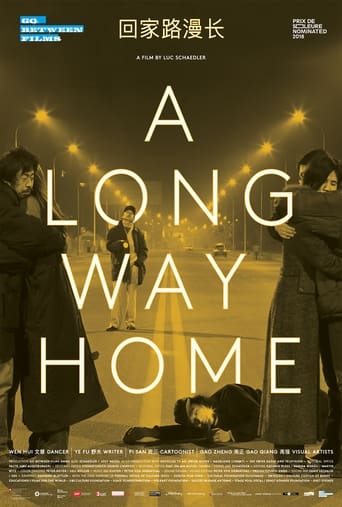
A Long Way Home takes us on a fascinating journey into both the grim days of recent Chinese history and the dazzling cultural scene in present-day China. The film centers around five of the most significant representatives of contemporary Chinese counterculture: the visual artists the Gao Brothers, the choreographer and dancer Wen Hui, the animation artist Pi San and the poet Ye Fu. With bravery and subversive wit, they each shed light on the social problems in their country. In doing so, the film poses universal questions that ultimately concern us all: which values determine our cultural identity and in what kind of world do we want to live.
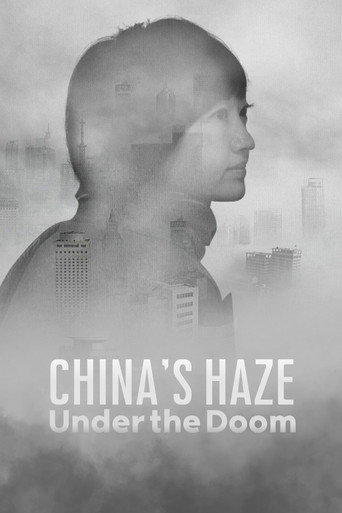
Chai Jing's documentary about the massive smog problem in China. Chai Jing started making the documentary when her as yet unborn daughter developed a tumour in the womb, which had to be removed very soon after her birth. Chai blames air pollution for the tumour. The film, which combines footage of a lecture with interviews and factory visits, has been compared with Al Gore's An Inconvenient Truth in both its style and likely impact. The film openly criticises state-owned energy companies, steel producers and coal factories, as well as showing the inability of the Ministry of Environmental Protection to act against the big polluters.
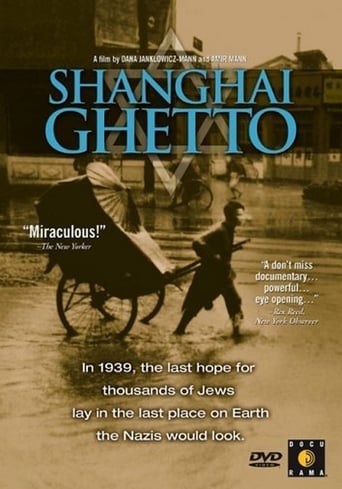
SHANGHAI GHETTO recalls the strange-but-true story of thousands of European Jews who were shut out of country after country while trying to escape Nazi persecution in the late 1930s. Left without options or entrance visas, a beacon of hope materialized for them on the other side of the world, and in the unlikeliest of places, Japanese-controlled Shanghai. Fleeing for their lives, these Jewish refugees journeyed to form a settlement in the exotic city, penniless and unprepared for their new life in the Far East. At the turn of the new millennium, filmmakers Dana Janklowicz-Mann and Amire Mann boldly snuck into China with two survivors and a digital camera to shoot at the site of the original Shanghai Ghetto, unchanged since WWII.
In 1994, a 13-year-old boy disappeared without a trace from his home in San Antonio, Texas. Three-and-a-half years later, he is found alive in a village in southern Spain with a horrifying story of kidnap and torture. His family is overjoyed to bring him home. But all is not quite as it seems.

For several days, a team of police officers (backed by Judge Anne Gruwez, the revelation from their previous So Help Me God) sift through the evidence in a murder case that’s tougher than it appears. Jean Libon and Yves Hinant lead a police investigation unlike anything you’ve ever seen. With every banal turn of events, camaraderie and professionalism go hand in hand as humour meets tragedy and a handful of fries, a Tupperware container and St. Rita heighten the suspense. Hilariously scathing, yet filled with tenderness.

David Riondino, an Italian film director, is coming to Spain to document the Atocha massacre of 1977, to make a film on its 50th anniversary. He will be helped by Alejandra, a young documentary filmmaker who urges him to contextualise the past with the current rise of the far right. By investigating the Atocha attack, David will recover a part of that recent past and at the same time will witness a reality that encourages reflection on some burning issues such as the advance of the far right, problems of access to housing and job insecurity.
During the Cultural Revolution in China in the late 20th century, ethnic Manchu people were persecuted and forced to give up such cultural traditions as the shaman dance (tiao tchin, meaning "spirit-jumping" or "god's dance"). However, on Changbai Mountain in Northeast China, a farmer named Guan Yunde decided to start designing and building traditional Manchu shaman drums. At age 70, he is one of a minority of ethnic Manchu people in China's Jilin province, and one of the few people keeping the Manchu shamanic tradition alive.