

Ikátena
Documentary

No cast information.
Similar Movies
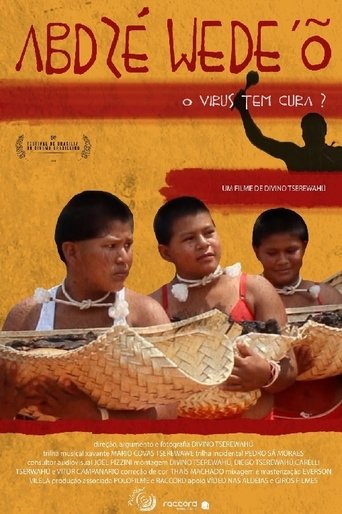
The documentary reveals the impact of the Coronavirus on one of the indigenous but affected by the disease in the country. Narrated in first person by Divino, which highlights the desperate struggle of his village, Sangradouro, east of Mato Grosso, to survive the most tragic epidemic known by the Xavante nation. Crossed with archival material and images captured during a pandemic, the film seeks to relate a traumatic past with the reality of Covid-19.
"Sisters Rising" is the story of six Native American women fighting to restore personal and tribal sovereignty in the face of ongoing colonial violence against indigenous women in the United States. Dawn was in the Army, now she’s a tribal cop in the midst of the North Dakota oil boom that threatens to pull the last threads of her Native culture apart. Patty teaches indigenous women’s self-defense across the Great Plains of her people. Sarah is an attorney and scholar fighting to overturn restrictions on tribal sovereignty and increase legislative protections for Native women. Loreline and Lisa are grassroots advocates working outside of the system to support survivors of violence and influence legislative change. Chalsey is writing the first anti-sex trafficking code to be introduced to a reservation’s tribal court.
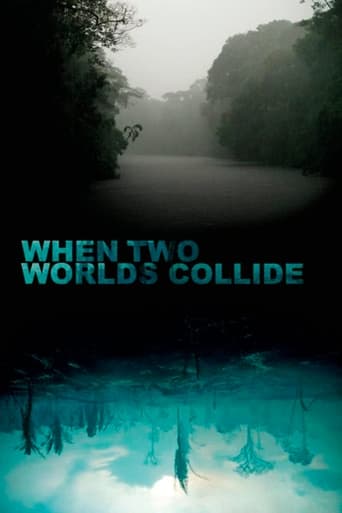
In this tense and immersive tour de force, audiences are taken directly into the line of fire between powerful, opposing Peruvian leaders who will stop at nothing to keep their respective goals intact. On the one side is President Alan Garcia, who, eager to enter the world stage, begins aggressively extracting oil, minerals, and gas from untouched indigenous Amazonian land. He is quickly met with fierce opposition from indigenous leader Alberto Pizango, whose impassioned speeches against Garcia’s destructive actions prove a powerful rallying cry to throngs of his supporters. When Garcia continues to ignore their pleas, a tense war of words erupts into deadly violence.
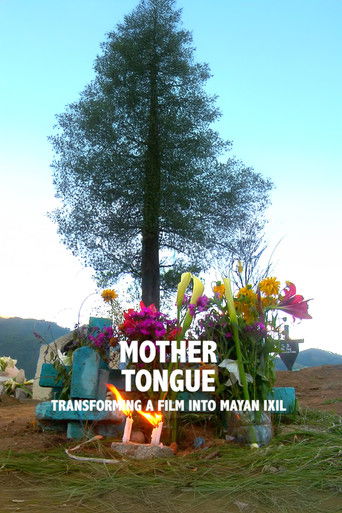
"Mother Tongue" chronicles the first time a documentary film about Guatemalan genocide in Guatemala was translated and dubbed into Maya-Ixil—5.5% of whom were killed during the armed conflict in the 1980s. Told from the perspective of Matilde Terraza, an emerging Ixil leader and the translation project’s coordinator, "Mother Tongue" illuminates the Ixil community’s ongoing work to preserve collective memory.
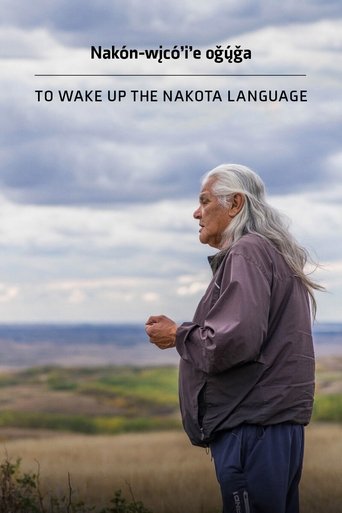
“When you don’t know your language or your culture, you don’t know who you are,” says 69-year-old Armand McArthur, one of the last fluent Nakota speakers in Pheasant Rump First Nation, Treaty 4 territory, in southern Saskatchewan. Through the wisdom of his words, Armand is committed to revitalizing his language and culture for his community and future generations.
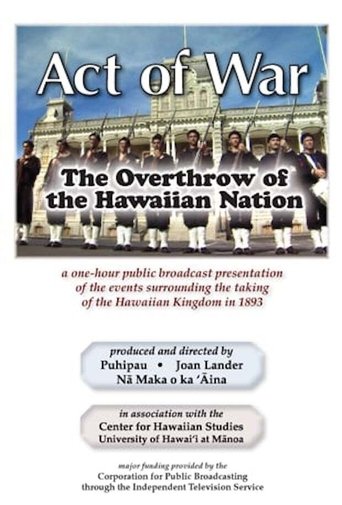
This hour-long documentary is a provocative look at a historical event of which few Americans are aware. In mid-January, 1893, armed troops from the U.S.S Boston landed at Honolulu in support of a treasonous coup d’état against the constitutional sovereign of the Hawaiian Kingdom, Queen Lili‘uokalani. The event was described by U.S. President Grover Cleveland as an "act of war."
Told from the perspective of contemporary Lakota people, the film explores the life of Crazy Horse (Tasunke Witko). Viewers see the natural world of the Dakotas, Nebraska, Wyoming, and Montana that Crazy Horse knew. His spiritual nature is discussed, as are his unique qualities as a leader. The final portion of the film examines his role at the Battle of Little Bighorn, his resistance against reservation life, and his violent death at Fort Robinson in 1877. Lakota people share what Crazy Horse means in their world today. The film features original music created for this story. Sharing their insights are Lakota historians Jace DeCory, Donovin Sprague, Wilmer Mesteth and Whitney Recountre.