

Tasunke Witko
Documentary
Overview
Told from the perspective of contemporary Lakota people, the film explores the life of Crazy Horse (Tasunke Witko). Viewers see the natural world of the Dakotas, Nebraska, Wyoming, and Montana that Crazy Horse knew. His spiritual nature is discussed, as are his unique qualities as a leader. The final portion of the film examines his role at the Battle of Little Bighorn, his resistance against reservation life, and his violent death at Fort Robinson in 1877. Lakota people share what Crazy Horse means in their world today. The film features original music created for this story. Sharing their insights are Lakota historians Jace DeCory, Donovin Sprague, Wilmer Mesteth and Whitney Recountre.
Top Cast

Jace DeCory
Jace DeCory
Jace DeCory
Donovin Sprague
Donovin Sprague
Donovin Sprague
Wilmer Mesteth
Wilmer Mesteth
Wilmer Mesteth
Whitney Recountre
Whitney Recountre
Whitney Recountre
Similar Movies
A sensitive and intimate portrait of Ivanna, a nomadic reindeer herder in the Russian Arctic and mother of five small kids. Ivanna is forced to leave the traditional way of life and emigrate to the city, following her own dreams, due to the quickly deteriorating conditions of life in the tundra. We follow her life for several years.
When the Oglala Sioux Tribe passed an ordinance separating industrial hemp from its illegal cousin, marijuana, Alex White Plume and his family glimpsed a brighter future. Having researched hemp as a sustainable crop that would grow in the inhospitable soil of the South Dakota Badlands, the White Plumes envisioned a new economy that would shrink the 85% unemployment rate on the Pine Ridge Reservation. They never dreamed they would find themselves swept up in a struggle over tribal sovereignty, economic rights, and common sense.
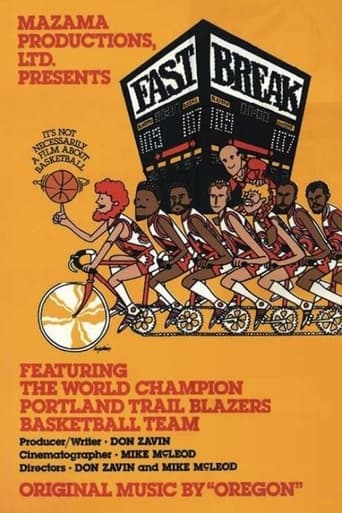
Evoking a cinema verite feel not found in most sports documentaries, Fast Break examines the 1977 Portland Trailblazers basketball team in a surprisingly personal and compelling fashion. Inter-cutting excerpts from the 1977 playoff / championship season, the film steps outside of the basketball court, and into the everyday lives of the Trailblazers, as well as their coach Jack Ramsey. Whether it’s biking the Oregon coast with star center Bill Walton, hosting a kids basketball camp with Dave Twardzik, or joking with Maurice Lucas at the pool – Fast Break lets the players speak for themselves: about basketball, life and playing in Portland. Fast Break, a film documentary about Bill Walton and the Portland Trail Blazers winning the 1976-77 NBA title and the aftermath of their accomplishment, is the greatest movie I have ever seen on the subject of professional team sports, basketball as a metaphor for life, and the perfect practice of Zen Buddhism in American society.
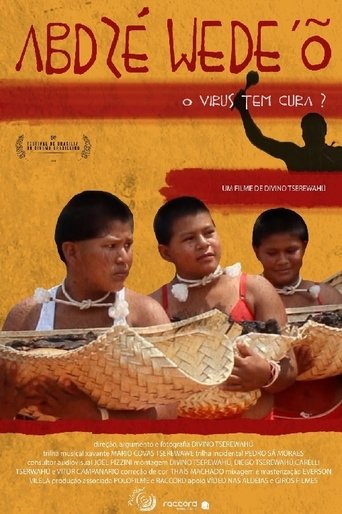
The documentary reveals the impact of the Coronavirus on one of the indigenous but affected by the disease in the country. Narrated in first person by Divino, which highlights the desperate struggle of his village, Sangradouro, east of Mato Grosso, to survive the most tragic epidemic known by the Xavante nation. Crossed with archival material and images captured during a pandemic, the film seeks to relate a traumatic past with the reality of Covid-19.
A man that is a stranger, is an incredibly easy man to hate. However, walking in a stranger’s shoes, even for a short while, can transform a perceived adversary into an ally. Power is found in coming to know our neighbor’s hearts. For in the darkness of ignorance, enemies are made and wars are waged, but in the light of understanding, family extends beyond blood lines and legacies of hatred crumble.
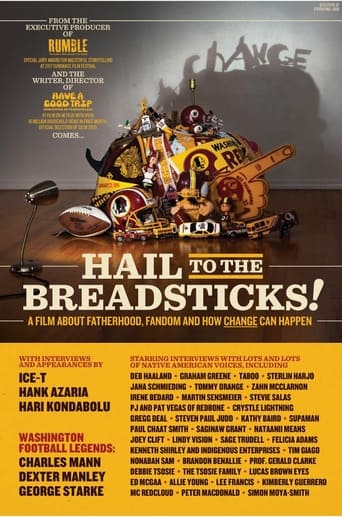
Writer producer Donick Cary (The Simpsons, Parks and Recreation, Have a Good Trip, etc.) has been a huge fan of the Washington D.C. pro football team since before he could walk. Passed down from his dad, he was excited to pass the tradition onto his kids. Donick never questioned the team name and or Native American logo until one day, while watching a game, his 9-year-old son, Otis, asked him if it was racist. When Otis suggests they ask Native Americans how they feel, it sends the two on a cross-country journey full of unexpected surprises.
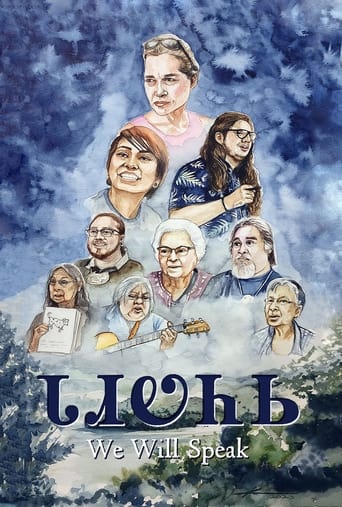
The Cherokee language is deeply tied to Cherokee identity; yet generations of assimilation efforts by the U.S. government and anti-Indigenous stigmas have forced the Tri-Council of Cherokee tribes to declare a State of Emergency for the language in 2019. While there are 430,000 Cherokee citizens in the three federally recognized tribes, fewer than an estimated 2,000 fluent speakers remain—the majority of whom are elderly. The covid pandemic has unfortunately hastened the course. Language activists, artists, and the youth must now lead the charge of urgent radical revitalization efforts to help save the language from the brink of extinction.