

Exploration du volcan Niragongo
Documentary
Overview
Short Belgian documentary on volcanos.


No cast information.
Similar Movies
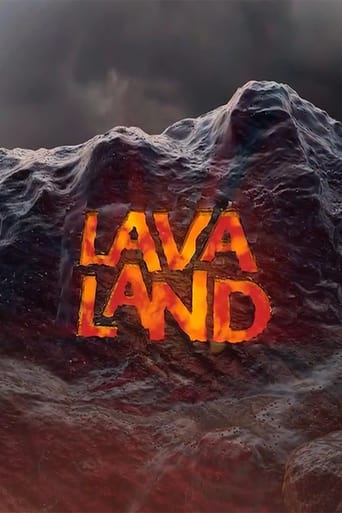
Hawaii, with its tropical rainforests and diverse coral reef is a spectacular natural paradise for travellers, surfers and all fans of breathtaking sandy beaches and lush green mountains. But life on the American island chain also has a dangerous side: permanently active volcanoes, lava caves, and even burning lava pours into the sea! Here you can see black smoke rise up, spray the red-hot magma into the sky and feel how the earth trembles. Located on the Pacific plate is unusual for volcanoes, Hawaii is thus researchers a fascinating destination. At Kilauea, the most active volcano on earth, the inhabitants have to live in constant danger found over the centuries cope. Lava Land - Glowing Hawaii takes you into the world of researchers and residents on the Big Iceland, the largest island of Hawaii.
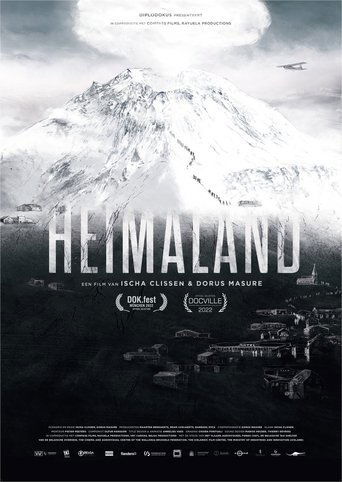
For centuries the inhabitants of the Icelandic village Vík í Mýrdal maintained a mystique relationship with the nearby volcano 'Katla'. Today the tide has turned; the volcano is used to lure tourists and create economic prosperity. In the villagers' search for wealth, they gradually become strangers in their own habitat.
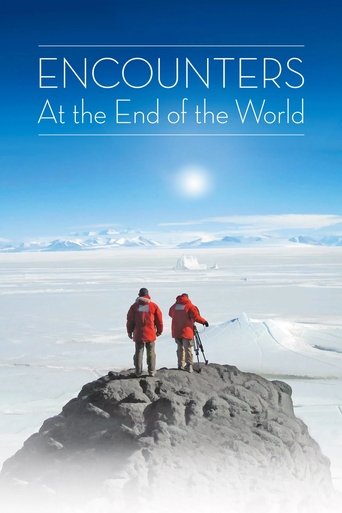
Acclaimed filmmaker Werner Herzog travels to Antarctica, where he finds a desolate, beautiful landscape, largely untouched by human hands, and a group of truly unique people who risk their lives to study it. Centered at McMurdo Station, the United States' largest Antarctic research center, Herzog explores the minds of the scientists willing to abandon civilization and endure volatile conditions to learn more about the continent's wildlife and awe-inspiring natural wonders.
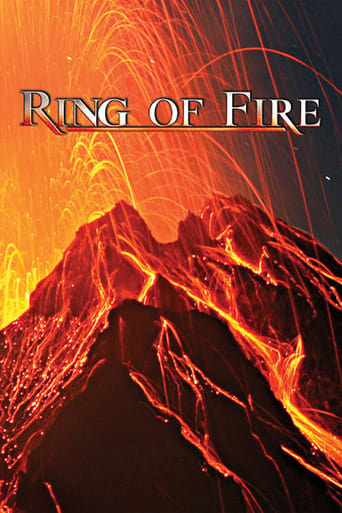
Ring of Fire is about the immense natural force of the great circle of volcanoes and seismic activity that rings the Pacific Ocean and the varied people and cultures who coexist with them. Spectacular volcanic eruptions are featured, including Mount St. Helens, Navidad in Chile, Sakurajima in Japan, and Mount Merapi in Indonesia.
A historical drama documentary depicting the eruption of Krakatoa volcano in 1883. The volcano was located in the Sunda strait in Indonesia and its eruption resulted in tsunami, rains of coals and ash, and ended with a very hot tsunami. The eruption killed more than 36,000 people and those survived were left with burns.
Marko Röhr's film crew takes the viewer to Europe's last unexplored area: Iceland's unique underwater world. We explore the geysers of boiling waters and the crystal clear lakes off the coast of Iceland. We dive under the icebergs, into the tears between the continental plates and into the deep caves.
There are six places on Earth believed to be actual entrances into Hell. They include a volcano in Iceland, a cave in the jungles of Central America, and a lake of fire in Africa. According to ancient myth and Christian legend, each is a passage to a terrifying underworld for the damned. Even today, some believe they are still portals. Eerily, they share striking similarities. Visit these six locations, and discover how the concept of Hell emerged in history and why it still evokes fear today.
The fascinating landscape formations of Iceland in the North Atlantic bear witness to the beauty and primal power of nature. They were created through the interaction of powerful volcanic, geological and biological processes that have been changing the face of the earth for billions of years. This is what the Earth might have looked like four billion years ago. Iceland is the realm of ice and fire. Nowhere else is there such a high density of volcanoes. The landscapes, which are continually reshaped by eruptions, make the island a natural laboratory full of clues about the formation and development of the earth. The documentary follows a group of scientists through the most active areas of Iceland, along a mountain range that has emerged from the ocean. On the slopes of the volcanoes, in the fog of the fumaroles and on streams and rivers, the three researchers explore how the first forms of life populated the earth's surface and in what evolutionary steps they took over the earth.