

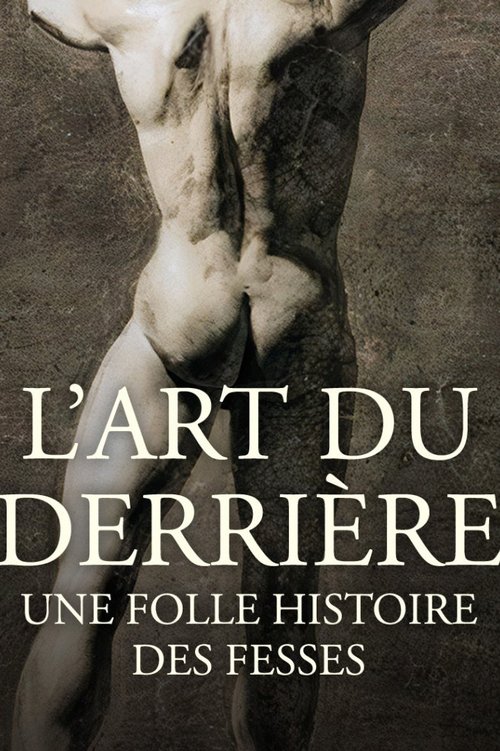
L'art du derrière, une folle histoire des fesses
Documentary
Overview
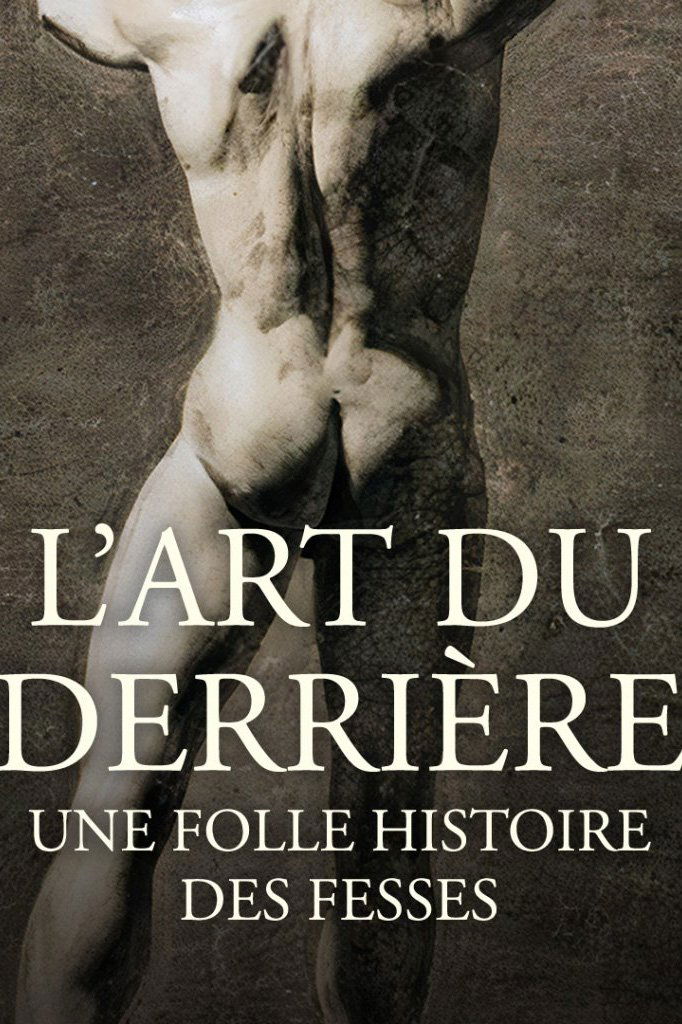
"Do you think I have a cute bottom?" From Brigitte Bardot's cult line in "Le Mépris" (Contempt), to Mireille Darc's iconic lower back, bottoms have long been the subject of every fantasy. And have often been represented in art! A story of eroticism, but also of censure







No cast information.
Similar Movies
The history of Bruguera, the most important comic publisher in Spain between the 1940s and the 1980s. How the characters created by great writers and pencilers became Spanish archetypes and how their strips persist nowadays as a portrait of Spain and its people. The daily life of the creators and the founding family, the Brugueras. The world in which hundreds of vivid colorful paper beings lived and still live, in the memory of millions, in the smile of everyone.
In recent years, more than 2,500 books have been removed from school districts around the US, labeled as banned, restricted, or challenged, and made unavailable to millions of students. By no accident, the themes targeted are the usual scapegoats of the American Right—LGBTQ+ issues, Black History, and women’s empowerment—impeding the power of future generations to develop their own thoughts and opinions on critical social issues. By weaving together a lyrical montage of young readers and authors, THE ABCs OF BOOK BANNING reveals the voices of the impacted parties, and inspires hope for the future through the profound insights of inquisitive youthful minds.
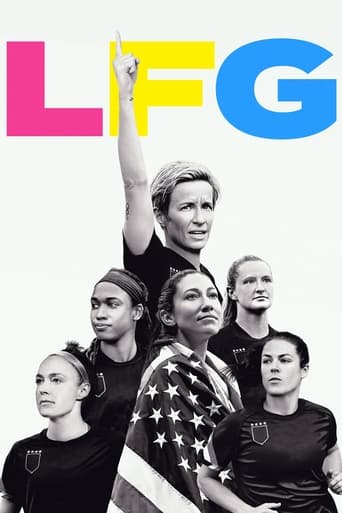
Three months before the 2019 World Cup, the U.S. Women’s National Soccer Team filed a gender discrimination lawsuit against the United States Soccer Federation. At the center of this no-holds-barred account are the players themselves–Megan Rapinoe, Jessica McDonald, Becky Sauerbrunn, Kelley O'Hara and others–who share their stories of courage and resiliency as they take on the biggest fight for women's rights since Title IX.
An Okinawan photographer, Mao Ishikawa spent her early 20s working as a barmaid in establishments catered specifically to African American GIs stationed in Okinawa. “There was love,” as the tagline reads, her photography book, 『Red Flower – The Women of Okinawa』 captured the diaristic intimacy of friendships, love affairs, and wild nights shared amongst her social circle of that time.
A short documentary exploring the theatrical release of Just Jaeckin's Emmanuelle (1974) in Ontario, Canada, at the time of a major shift in its provincial film censorship regime. What followed was a new era in the Ontario government's uneasy dance with film, a debate over art and morality — not only about sex on screen, but about who gets to decide what is too much, too far, or too French.
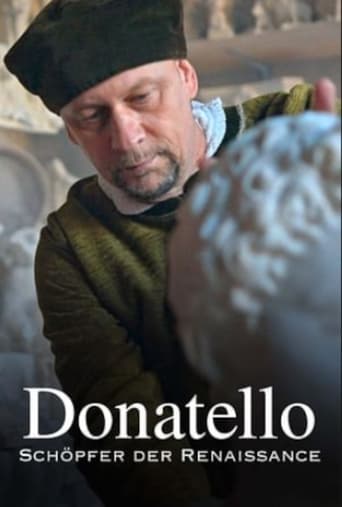
Portrait of the Italian sculptor Donatello (1386-1466), a precursor of the High Renaissance who considerably influenced sculptural art with his innovative way of conceiving space. Donatello is already a legend in his own lifetime. The sculptor is the forefather of the High Renaissance and pioneer for artists such as Raphael or Michelangelo. His bronze sculpture of the "David" or the "Pazzi Madonna" in marble are icons of art history and testify to his sculptural power of renewal.
In the heart of Paris, an entire palace has disappeared. It was the very first residence of the kings of France. Long before Versailles, long before the Louvre, the Palais de la Cité stood on the most prestigious island in Paris, the historic cradle of France, facing Notre-Dame. So majestic in the Middle Ages, this palace has become a ghost of history. Over the centuries, this architectural masterpiece has almost completely disappeared. A trio of experts will resurrect it in 3D. Using science and unprecedented excavations, they will track down the pieces of the puzzle to reconstruct it at its peak in the 14th century, and bring back to life those who inhabited it. From the Romans to the Vikings, from Saint Louis to the cursed kings, all have left clues of this 'Versailles of the Middle Ages'.
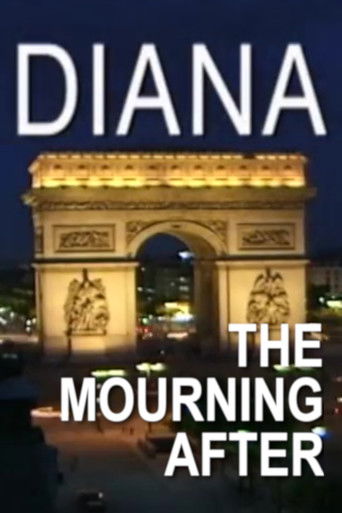
In "Diana: The Mourning After" Christopher Hitchens sets out to examine the bogusness of "a nation's grief", tries to uncover the few voices of sanity that cut against the grain of contrived hysteria. His findings suggested that the collective hordes of emotive Dianaphiles sobbing in the streets were not only encouraged but emulated by the media. In the aftermath of Diana's death a three-line whip was enforced on newspapers and on TV, selling the sainthood line wholesale. The suspicion was that journalists, like the public, greeted the death as a chance to wax emotional in print, as a change from the customary knowing cynicism, to wheel out all those portentous phrases they'd been saving up for the big occasion. Sadly, they just seemed to be showboating; the eulogies, laments and tear-soaked platitudes ringing risibly hollow.
For two hundred years, the Shakers have been America's most successful utopian society. While seeking harmony, order and perfection in every aspect of their lives, they built minimalistic furniture and buildings that influenced modern design. The Shakers wrote songs of exquisite beauty and danced to the point of ecstasy during their religious meetings. Inspired by this music and dance, choreographer Tero Saarinen created Borrowed Light, a dance piece about communal life and individual sacrifice. Shot in Finland and the United States, featuring interviews and excerpts from Borrowed Light, this documentary explore the cultural legacy of this religious group devoted to creating heaven on earth.