

Time That Has Never Ended
Drama
Overview
On October 15, 2003, in a quiet autumn day at a high-rise apartment. Hwang Ga leisurely waters the plants on the balcony. At the same time, Hyung-min, a man in his sixties, lives in an old house on the outskirts of the city. As the local news on TV announces the confirmation of the "Jeju 4·3 Incident Truth Report," the two elderly men reminisce about their similar yet distinctly different pasts. The first independent film from Jeju Island.


No cast information.
Similar Movies
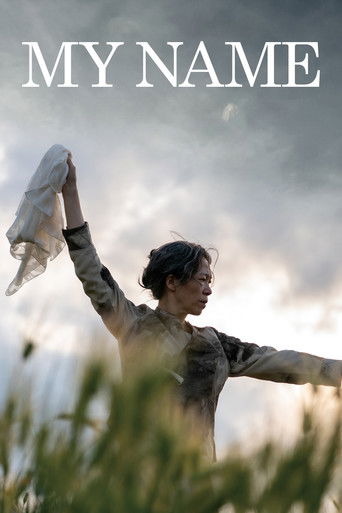
South Korea, 1998: While the country moves closer towards democracy, Young-oak remains at odds with his female-connotated name while attending a boy's school where the air is thick with testosterone. The young man is struggling to fit in and find a new name among corrupt teachers and the teenagers' violent power games, which are as subtle as they are extreme. Behind his mother Jeong-sun's seemingly unflappable exterior, a past long repressed is reemerging, which she is reluctant to face. Yet confrontation is unavoidable – and it leads back to the national tragedy surrounding the Jeju Uprising of April 3rd, 1948.
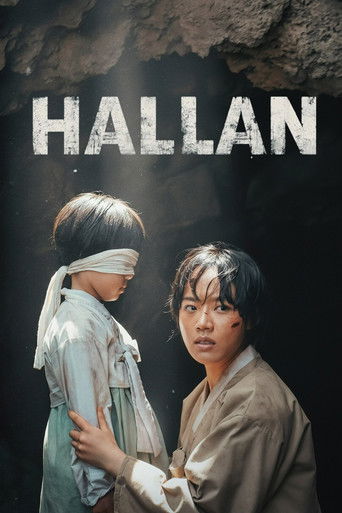
Set against the backdrop of the Jeju Uprising in 1948, which was sparked by an armed revolt of islanders fearing the division of Korea into North and South, the film portrays the tragic consequences of an indiscriminate punitive expedition by the South Korean government. Under the guise of an anti-communist campaign, more than 25,000 civilians were slaughtered. Through the story of a mother fiercely protecting her young daughter, the film highlights the resilience and strength of Jeju women amidst the chaos.
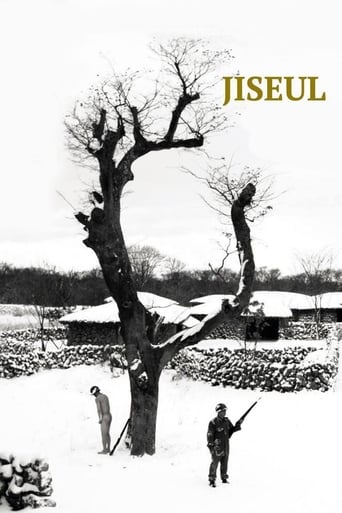
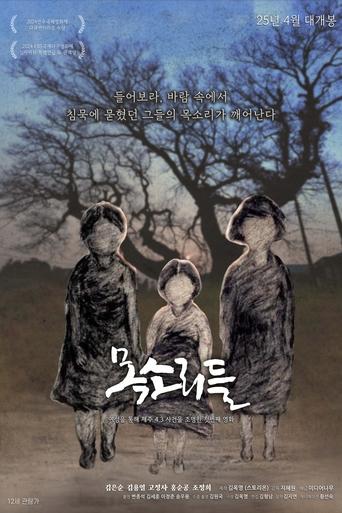
Immediately after liberation, an incident called 'Jeju Uprising' took place on Jeju Island, the Hawaii of Korea, under the control of the US military government. As a result, about one-tenth of the total population of the island at that time was sacrificed. The children who survived the massacre record the memories of that day in an animated film 70 years later.
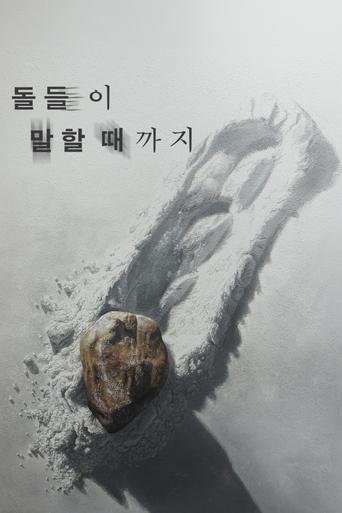
There are five grandmothers, four of whom went to Jeonju Prison due to the Jeju 4.3. All of them were young people around the age of 20 at the time of the incident in 1948. The outline of the incident is formed when hearing the experiences of those who were sent to prison without trial particularly as women. The audience feels indescribable emotions by the fact that they have lived on despite what they had gone through, things that are just too much for a human being to bear.
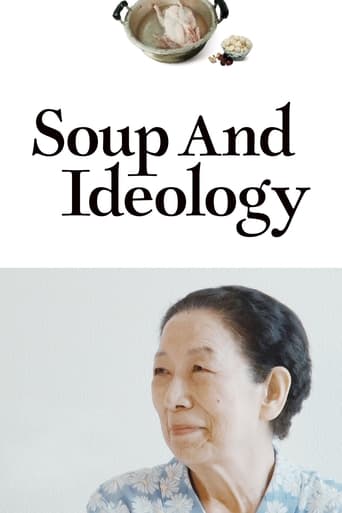
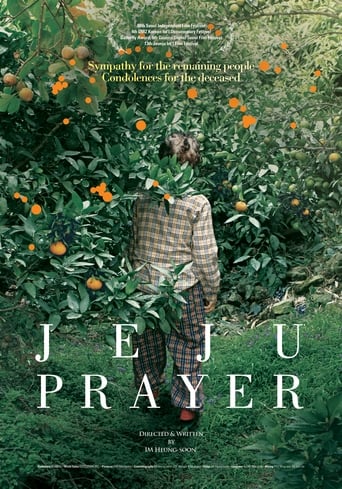
Confronting half of her mother’s life—her mother who had survived the Jeju April 3 Incident—the director tries to scoop out disappearing memories. A tale of family, which carries on from Dear Pyongyang, carving out the cruelty of history, and questioning the precarious existence of the nation-state.
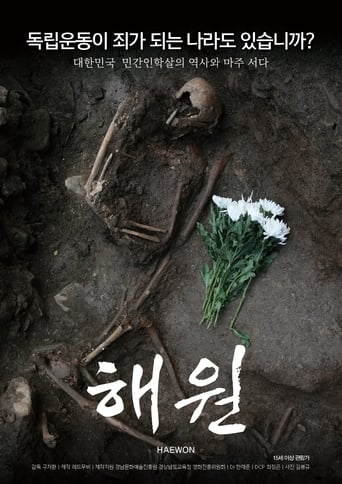
According to a survey by the U.S. military government in 1946, 78% of the South Korean people wanted socialism and only 14% capitalism. By appointing the pro-Japanese collaborators and the rightists, Rhee Syngman, who had not received the people's support, massacred those groups and civilians that were political stumbling blocks. In dealing with the Jeju 4.3 uprising in 1947 and the Yeosun incident in 1948 and The Korean War having broken out, massive civilian massacre became regularized.