

Arturo Ripstein
Directing
20
Movies
0
TV Shows
20
Credits
About
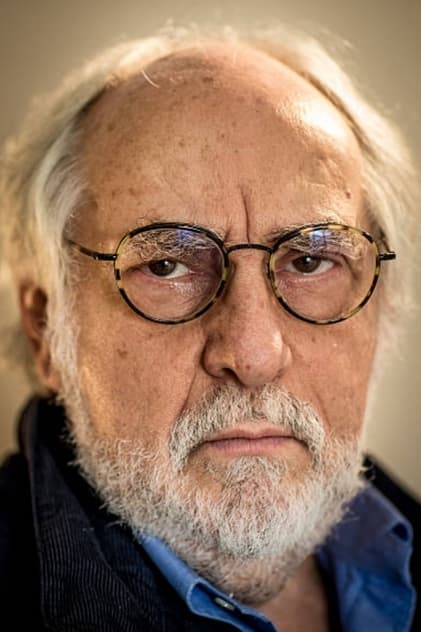
Arturo Ripstein y Rosen (born December 13, 1943) is a Mexican film director. Ripstein got his break into movies working as an uncredited assistant director for Luis Buñuel. In 1965, he directed his first feature, Tiempo de Morir. Written by Carlos Fuentes and Gabriel García Márquez, it began a tradition of making independent films written by high-profile Latin-American authors. His 1981 film Seduction was entered into the 12th Moscow International Film Festival. His 1989 film Love Lies was entered into the 16th Moscow International Film Festival. In 1997 Ripstein won the National Prize of Arts and Sciences, the second filmmaker after Buñuel to do so. Some of Ripstein's films, especially the earlier ones, "highlighted characters beset by futile compulsions to escape [their]destinies". Many of his films are shot in tawdry interiors, with bleak brown color schemes, and seedy pathetic characters who manage to achieve a hint of pathos and dignity. Asi Es la Vida, according to Jonathan Crow, "boldly reworks the ancient Greek drama Medea, employing a dizzying array of flashbacks and Brechtian devices". Deep Crimson, according to the New York Times, is "a ferociously anti-romantic portrait of an obese nurse and a seedy small-time gigolo whose bungling scheme to swindle a succession of lonely women out of their life savings turns into a killing spree."
Arturo Ripstein
Directing
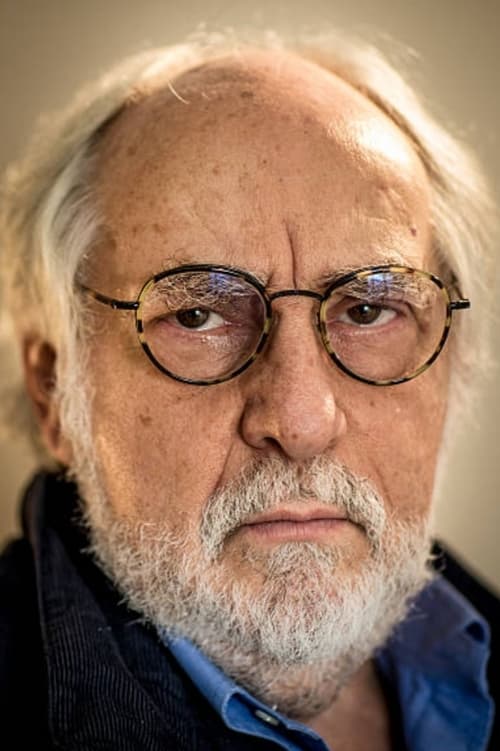
Arturo Ripstein y Rosen (born December 13, 1943) is a Mexican film director. Ripstein got his break into movies working as an uncredited assistant director for Luis Buñuel. In 1965, he directed his first feature, Tiempo de Morir. Written by Carlos Fuentes and Gabriel García Márquez, it began a tradition of making independent films written by high-profile Latin-American authors. His 1981 film Seduction was entered into the 12th Moscow International Film Festival. His 1989 film Love Lies was entered into the 16th Moscow International Film Festival. In 1997 Ripstein won the National Prize of Arts and Sciences, the second filmmaker after Buñuel to do so. Some of Ripstein's films, especially the earlier ones, "highlighted characters beset by futile compulsions to escape [their]destinies". Many of his films are shot in tawdry interiors, with bleak brown color schemes, and seedy pathetic characters who manage to achieve a hint of pathos and dignity. Asi Es la Vida, according to Jonathan Crow, "boldly reworks the ancient Greek drama Medea, employing a dizzying array of flashbacks and Brechtian devices". Deep Crimson, according to the New York Times, is "a ferociously anti-romantic portrait of an obese nurse and a seedy small-time gigolo whose bungling scheme to swindle a succession of lonely women out of their life savings turns into a killing spree."

The Queen of Spain

Kurosawa: The Last Emperor

Jugaremos en el bosque

Speaking of Buñuel
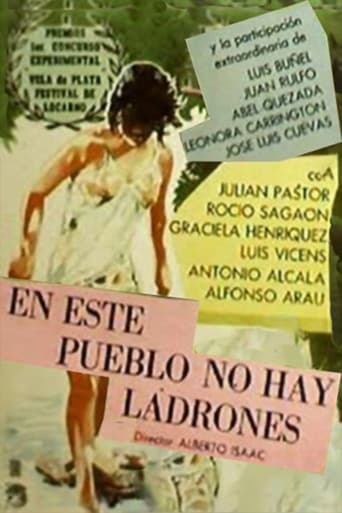
There Are No Thieves in This Village

Trail of Death
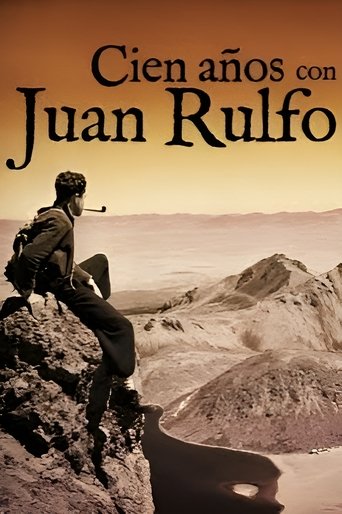
One Hundred Years with Juan Rulfo
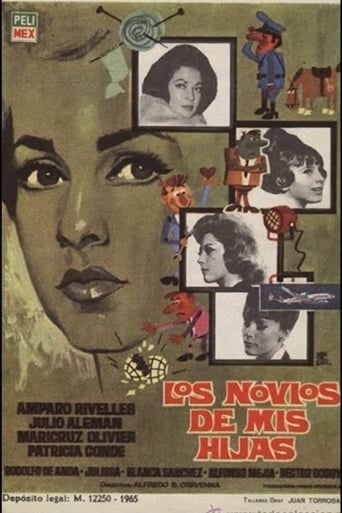
Los novios de mis hijas

Cuartelazo
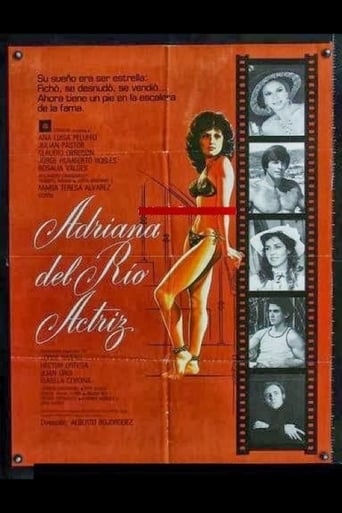
Adriana del Rio, actriz

The Specter's Road
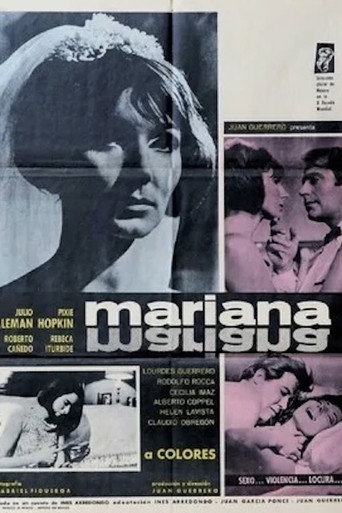
Mariana

Internet Junkie
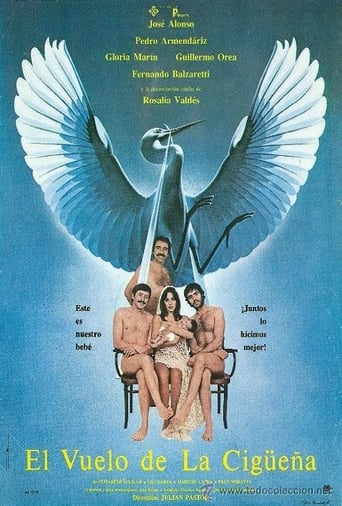
The Flight of the Stork
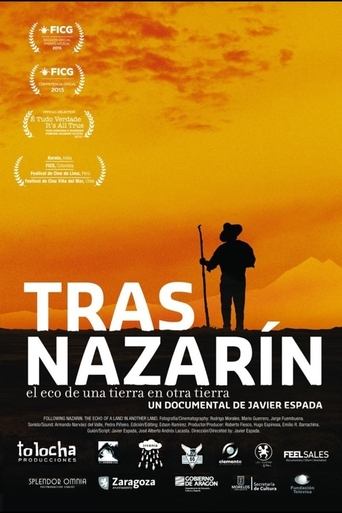
Tras Nazarin: Following Nazarin

Familiarities
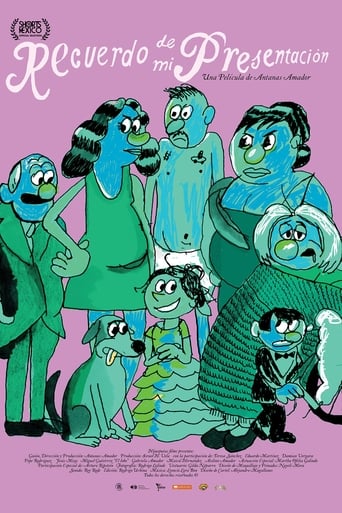
Recuerdo De Mi Presentación

Where Is Juan Moctezuma?
The African Lover

Memoria de Los Olvidados