

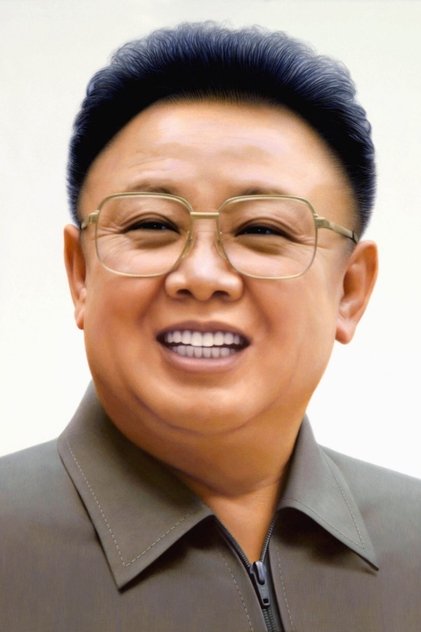
Kim Jong-il
Acting
19
Movies
5
TV Shows
24
Credits
About
Kim Jong Il, born Yuri Irsenovich Kim on 16 February 1941, was a North Korean politician who was the second President of North Korea. He led North Korea following the death of his father Kim Il Sung in 1994 until his own death in 2011, when he was succeeded by his son, Kim Jong Un. Afterwards, Kim Jong Il was declared Eternal General Secretary of the WPK. In the early 1980s, Kim had become the heir apparent for the leadership of North Korea, thus being established the Kim dynasty and he assumed important posts in party and army organizations. Kim was the General Secretary of the Workers' Party of Korea (WPK), WPK Presidium, Chairman of the National Defense Commission (NDC) of North Korea and the Supreme Commander of the Korean People's Army (KPA), the fourth-largest standing army in the world. Kim assumed leadership during a period of catastrophic economic crisis amidst the dissolution of the Soviet Union, on which it was heavily dependent for trade in food and other supplies, which brought a famine. Kim strengthened the role of the military by his Songun ("military-first") policies, making the army the central organizer of civil society. Kim's rule also saw economic reforms, including the opening of the Kaesong Industrial Park in 2003. Following Kim's failure to appear at important public events in 2008, foreign observers assumed that Kim had either fallen seriously ill or died. On 19 December 2011, the North Korean government announced that he had died two days earlier, whereupon his third son, Kim Jong Un, was promoted to a senior position in the ruling WPK and succeeded him.
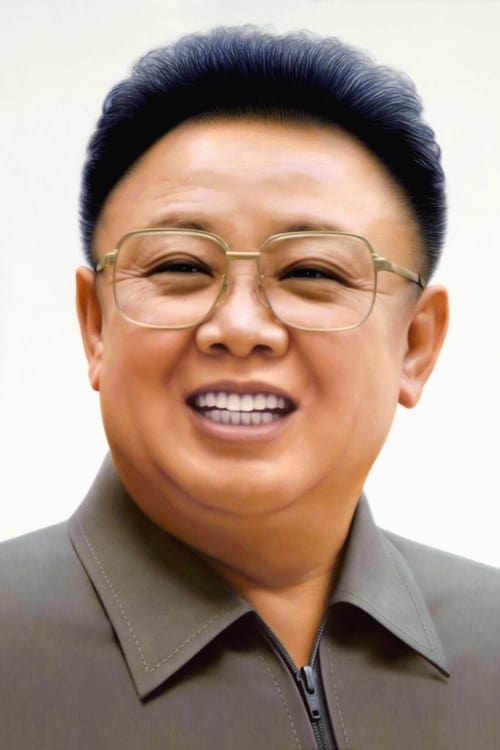
Kim Jong-il
Acting
Kim Jong Il, born Yuri Irsenovich Kim on 16 February 1941, was a North Korean politician who was the second President of North Korea. He led North Korea following the death of his father Kim Il Sung in 1994 until his own death in 2011, when he was succeeded by his son, Kim Jong Un. Afterwards, Kim Jong Il was declared Eternal General Secretary of the WPK. In the early 1980s, Kim had become the heir apparent for the leadership of North Korea, thus being established the Kim dynasty and he assumed important posts in party and army organizations. Kim was the General Secretary of the Workers' Party of Korea (WPK), WPK Presidium, Chairman of the National Defense Commission (NDC) of North Korea and the Supreme Commander of the Korean People's Army (KPA), the fourth-largest standing army in the world. Kim assumed leadership during a period of catastrophic economic crisis amidst the dissolution of the Soviet Union, on which it was heavily dependent for trade in food and other supplies, which brought a famine. Kim strengthened the role of the military by his Songun ("military-first") policies, making the army the central organizer of civil society. Kim's rule also saw economic reforms, including the opening of the Kaesong Industrial Park in 2003. Following Kim's failure to appear at important public events in 2008, foreign observers assumed that Kim had either fallen seriously ill or died. On 19 December 2011, the North Korean government announced that he had died two days earlier, whereupon his third son, Kim Jong Un, was promoted to a senior position in the ruling WPK and succeeded him.
Moving

Spotlight
How to Become a Tyrant

NHK WORLD PRIME

Spycraft
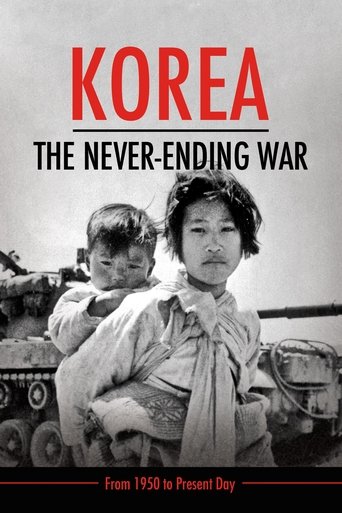
Korea: The Never-Ending War
Beyond Utopia
The Propaganda Game

King of Clones
Death of a President
President

Dennis Rodman's Big Bang in PyongYang
Dictator: One Crazy Job

Korea, A Hundred Years of War
The Lovers and the Despot
North Korea: Inside The Mind of a Dictator
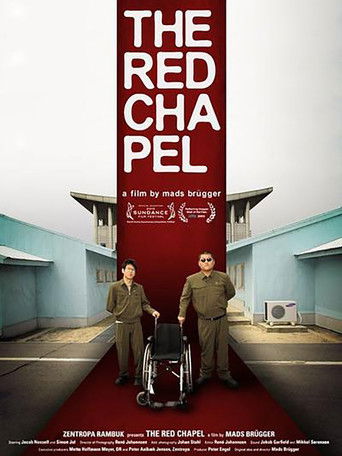
The Red Chapel
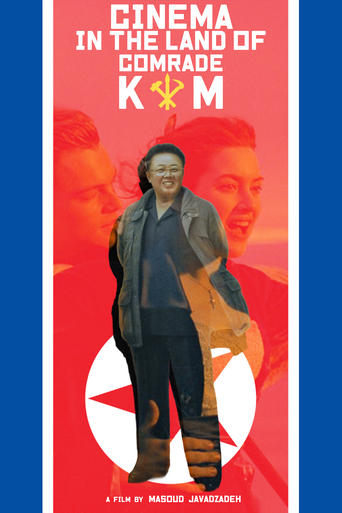
Cinema in the Land of Comrade Kim
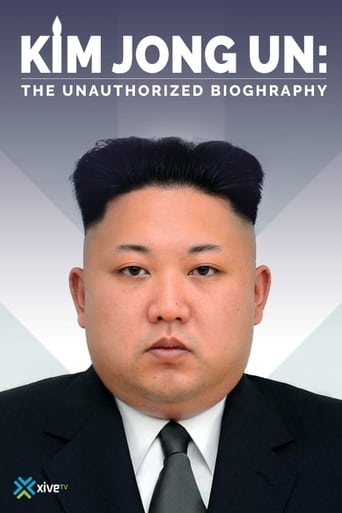
Kim Jong-un: The Unauthorized Biography

A State of Mind

North Korea: A Plan to Survive

I Am Sun Mu
One Day on Earth
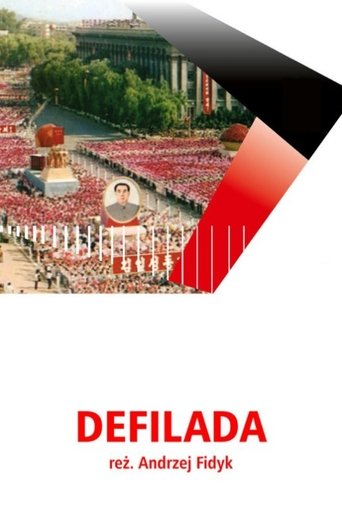
North Korea: The Parade