

Tawfiq Al-Deqen
Acting
20
Movies
4
TV Shows
24
Credits
About
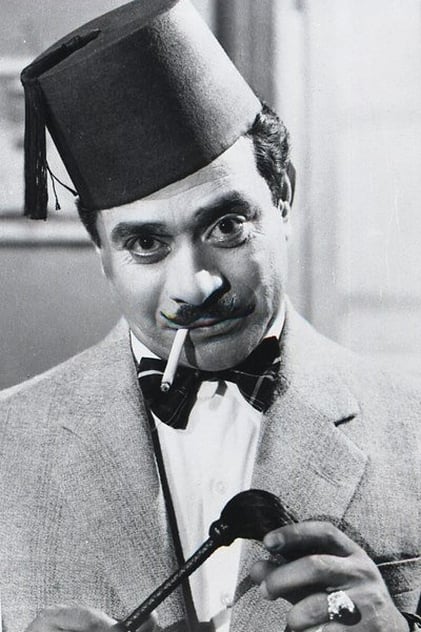
Tawfiq Ameen Muhammad Ahmad al-Sheikh Al Deqen was born in the village of Horeen in Berket al-Sab’ Monoufeyya (delta of Egypt). He graduated from the High Institute of Dramatic Arts in 1950. His career started when he was still studying when he played the role of a peasant and then participated in “Dhohoor al-Islaam" (The appearance of Islam) in 1951. Seven years after his graduation, Tawfik joined the Free Theatre Troupe. He also worked with Esma’eel Yasseen in his troupe then joined the National Theatre where he remained member of its troupe until the end of his life. In the National Theatre, he presented “’ Aaelat al-Doghry" (The Dodgers), “Bedaaya wa nehaaya" (Dead among the living), “Sekkat al-salaama" (The safe way), “Al-Mahroussa" i.e. The Blessed”, “’ Afareet Masr al-gedeeda i.e. The demons of Heliopolis”, “Al-farafeer” where he excelled. , “Mash-had men al-guesr" (View from the bridge), “Hesbet Berma" (Berma calculation)”, “Al-naass elly taht" (Downstairs people), “ Kahayal al-dhell" (Shadow plays), “Solaymaan al-Halaby” and “Beer al-sellem" (Stairwell). He was very popular in playing the evil scoundrel role in a very special manner that was assisted by his features thus making him one of the best Arab actors in such roles. As Tawfik grew older his roles changed. He played the role of the helpless father in “’Ala baab al-Wazeer” and the peasant’s role in “Kharaga wa lam ya’od" (Out and never back). His on-screen phrases became idioms in Egypt and all over the Arab world; “Ahla men al-sharaf mafeesh,” “Hambaka” and “Alo ya Omam”.
Tawfiq Al-Deqen
Acting
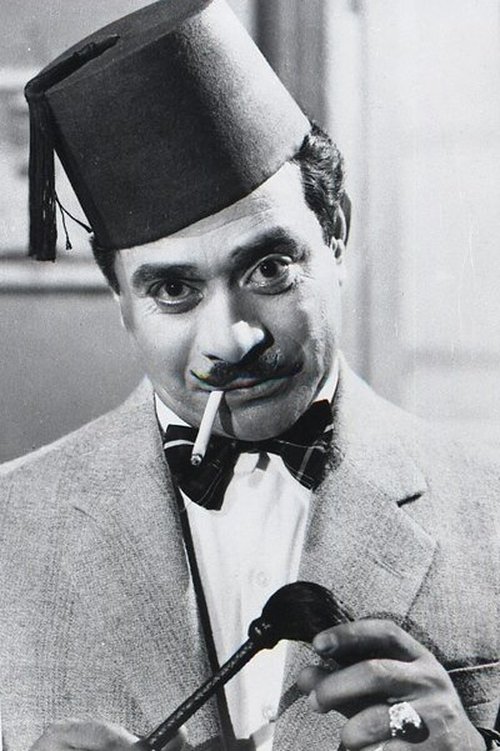
Tawfiq Ameen Muhammad Ahmad al-Sheikh Al Deqen was born in the village of Horeen in Berket al-Sab’ Monoufeyya (delta of Egypt). He graduated from the High Institute of Dramatic Arts in 1950. His career started when he was still studying when he played the role of a peasant and then participated in “Dhohoor al-Islaam" (The appearance of Islam) in 1951. Seven years after his graduation, Tawfik joined the Free Theatre Troupe. He also worked with Esma’eel Yasseen in his troupe then joined the National Theatre where he remained member of its troupe until the end of his life. In the National Theatre, he presented “’ Aaelat al-Doghry" (The Dodgers), “Bedaaya wa nehaaya" (Dead among the living), “Sekkat al-salaama" (The safe way), “Al-Mahroussa" i.e. The Blessed”, “’ Afareet Masr al-gedeeda i.e. The demons of Heliopolis”, “Al-farafeer” where he excelled. , “Mash-had men al-guesr" (View from the bridge), “Hesbet Berma" (Berma calculation)”, “Al-naass elly taht" (Downstairs people), “ Kahayal al-dhell" (Shadow plays), “Solaymaan al-Halaby” and “Beer al-sellem" (Stairwell). He was very popular in playing the evil scoundrel role in a very special manner that was assisted by his features thus making him one of the best Arab actors in such roles. As Tawfik grew older his roles changed. He played the role of the helpless father in “’Ala baab al-Wazeer” and the peasant’s role in “Kharaga wa lam ya’od" (Out and never back). His on-screen phrases became idioms in Egypt and all over the Arab world; “Ahla men al-sharaf mafeesh,” “Hambaka” and “Alo ya Omam”.
Saladin
Dreams Of El Tayer Boy
محمد رسول الله
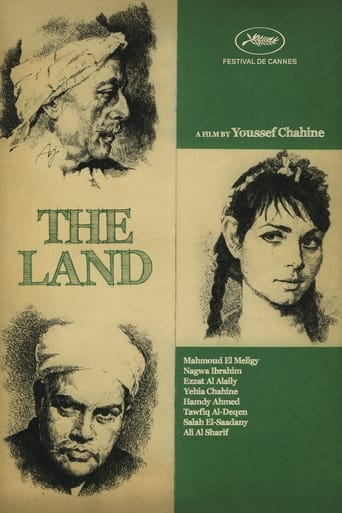
The Land

Struggle in the Harbor
Alshayatin fi 'ajaza
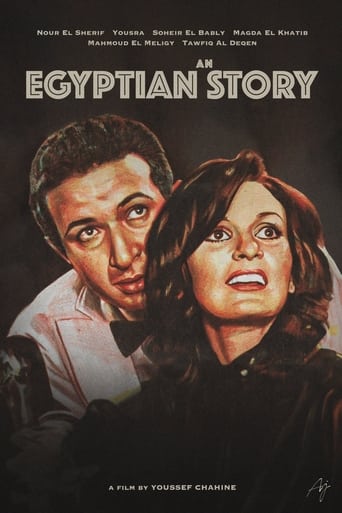
An Egyptian Story
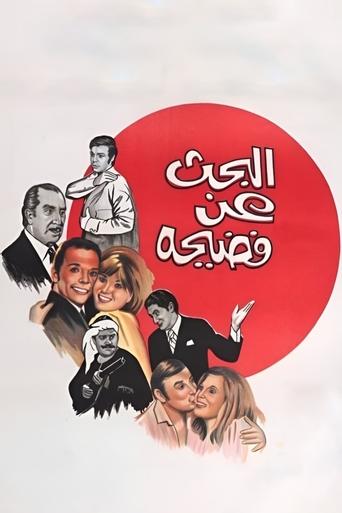
Searching for a Scandal
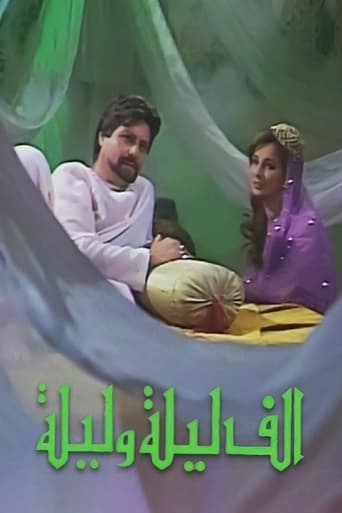
ألف ليلة وليلة
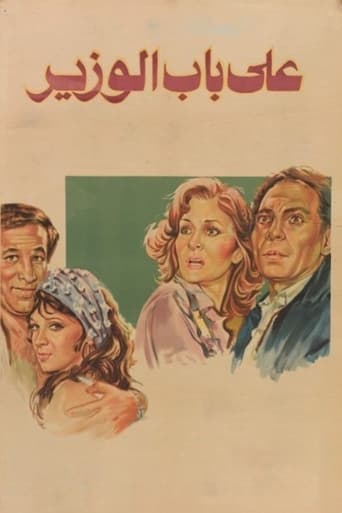
At the Minister's Door
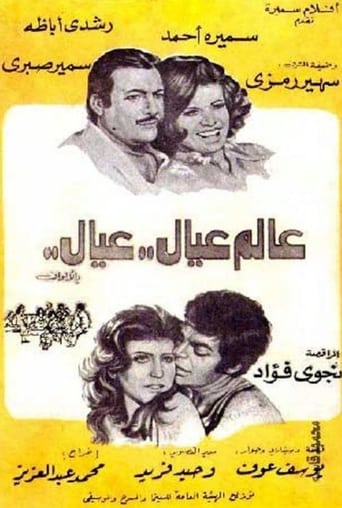
A World of Children
Adieu Bonaparte
Shouq
A File in Vice
A Hero Till the End
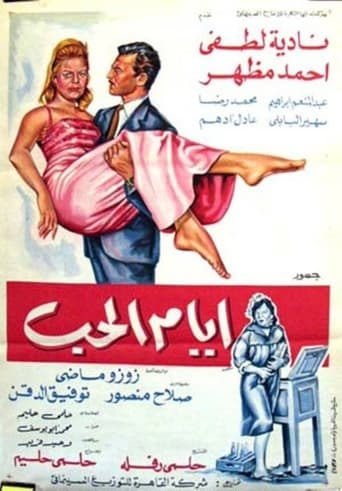
Days Of Love
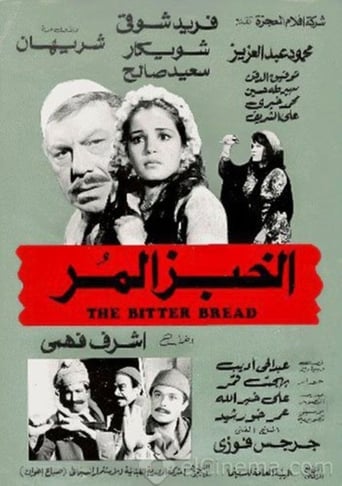
Al-khobz Al-mor
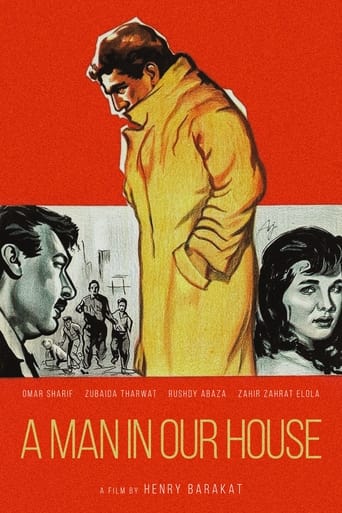
A Man in Our House
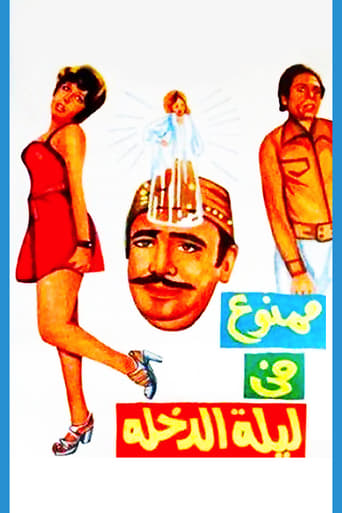
Forbidden at the Wedding Night
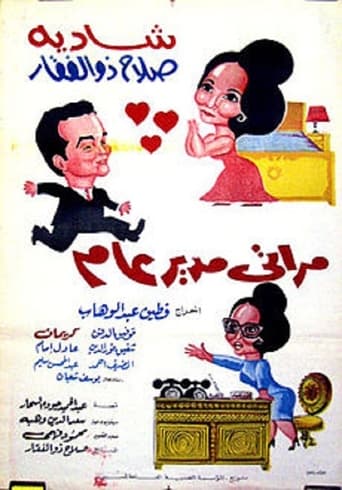
My Wife the General Manager
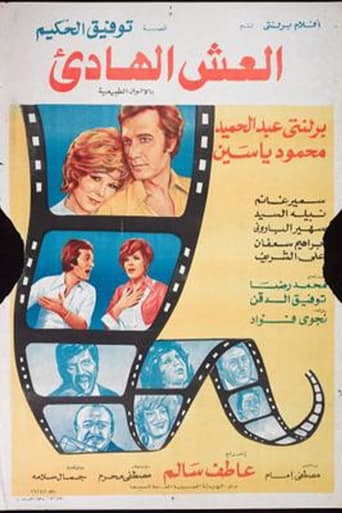
The Quiet Nest
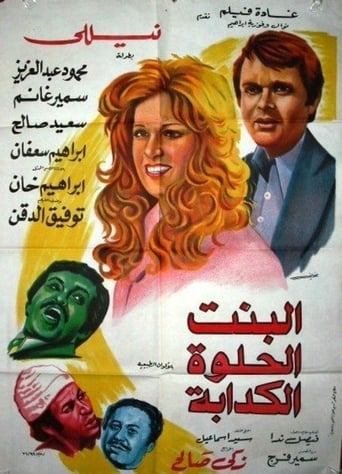
Albint Alhulwat Alkadaba
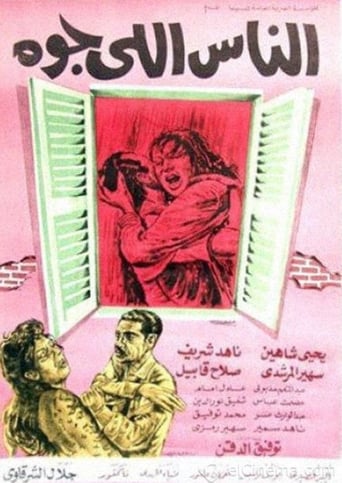
The People Inside

رحلة هادئة