

Survival of Spaceship Earth
Documentary
Overview
Earth's environmental crisis--brought about by uncontrolled technological progress--is endangering life on a global scale. At the core of the threats to the planet - wars, overpopulation, pollution, and the depletion of natural resources - is the inadequacy of the nation state to come to terms with the surmounting problems of twentieth century living. What is urgently needed is the kind of international cooperation where nation states relinquish part of their sovereignty to a world body entrusted with the management of mankind's future.
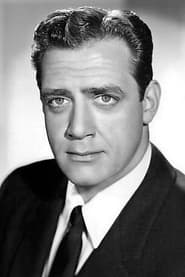
Raymond Burr
Raymond Burr
Self - Narrator
Raymond Burr
Self - Narrator
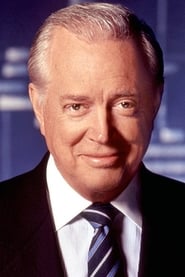
Hugh Downs
Hugh Downs
Self - Narrator / Host
Hugh Downs
Self - Narrator / Host
Rene Dubos
Rene Dubos
Writer
Rene Dubos
Writer
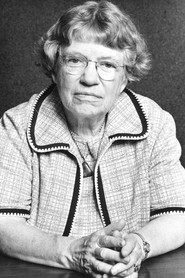
Margaret Mead
Margaret Mead
Self
Margaret Mead
Self
Walter Orr Robert
Walter Orr Robert
Self
Walter Orr Robert
Self
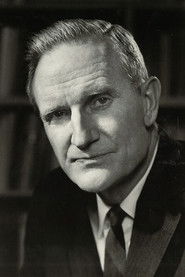
John D. Rockefeller III
John D. Rockefeller III
Self
John D. Rockefeller III
Self
Similar Movies
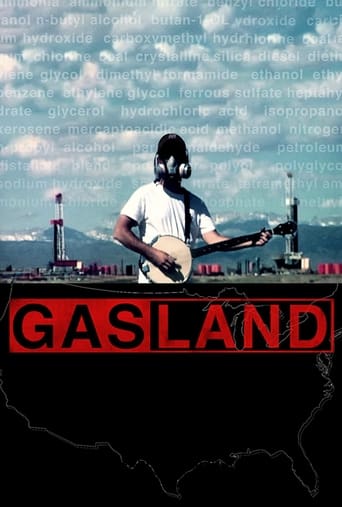
It is happening all across America-rural landowners wake up one day to find a lucrative offer from an energy company wanting to lease their property. Reason? The company hopes to tap into a reservoir dubbed the "Saudi Arabia of natural gas." Halliburton developed a way to get the gas out of the ground-a hydraulic drilling process called "fracking"-and suddenly America finds itself on the precipice of becoming an energy superpower.
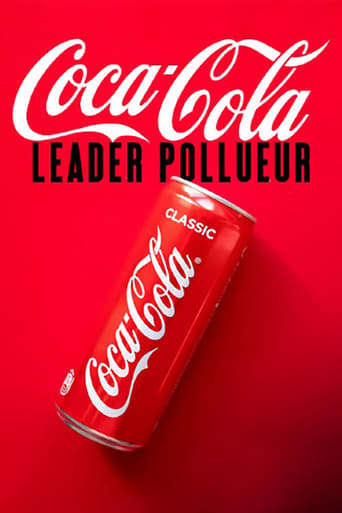
Whales beached after ingesting plastic, oceans soiled: a quarter of marine waste today comes from cans and plastic bottles. The drinks industry produces 470 billion single-use bottles each year, 25% of which come from Coca-Cola. Although the world's largest soft drink producer has set ambitious targets to prevent this environmental pollution, it has often failed to do so. In the 1950s, the company sold its drink exclusively in returnable glass bottles, which it washed and refilled. Two decades later, these were replaced by disposable bottles - a decision whose devastating effects still linger.
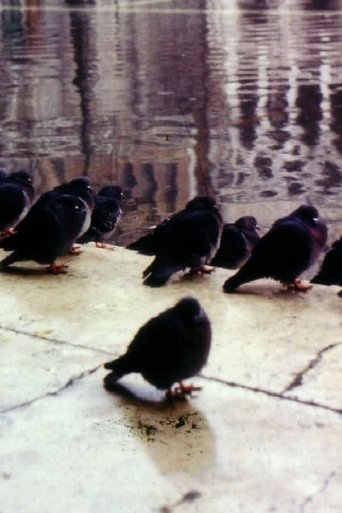
Yannick Bellon's documentary paints a portrait of a city torn between the problem of unsanitary housing, pollution corroding walls and statues, and the recurring and increasing floods—all consequences of human activity. Faced with job shortages and rampant speculation, the overarching question arises of how industries can coexist with the city of Venice. Allowing them to develop risks destroying it; driving them out risks turning it into a museum, causing its inhabitants, and thus its soul, to leave.
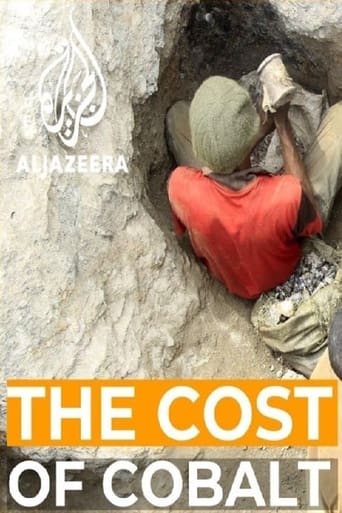
In the cobalt mining areas of Katanga in the Democratic Republic of the Congo (DRC), babies are being born with horrific birth defects. Scientists and doctors are finding increasing evidence of environmental pollution from industrial mining which, they believe, may be the cause of a range of malformations from cleft palate to some so serious the baby is stillborn. More than 60% of the world’s reserves of cobalt are in the DRC and this mineral is essential for the production of electric car batteries, which may be the key to reducing carbon emissions and to slowing climate change. In The Cost of Cobalt we meet the doctors treating the children affected and the scientists who are measuring the pollution. Cobalt may be part of the global solution to climate change, but is it right that Congo’s next generation pay the price with their health? Many are hoping that the more the world understands their plight, the more pressure will be put on the industry here to clean up its act.
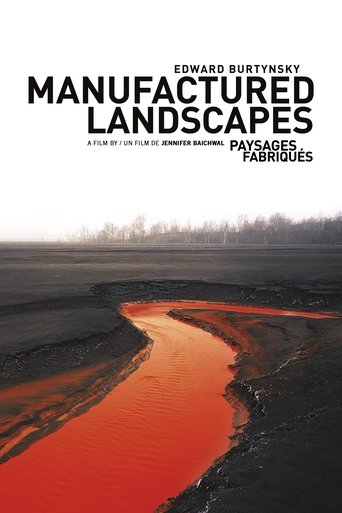
MANUFACTURED LANDSCAPES is the striking new documentary on the world and work of renowned artist Edward Burtynsky. Internationally acclaimed for his large-scale photographs of “manufactured landscapes”—quarries, recycling yards, factories, mines and dams—Burtynsky creates stunningly beautiful art from civilization’s materials and debris.
The environmental problems caused by fracking in America have been well publicized but what's less known are the gas industry's plans for expansion in other countries. This investigation, filmed in Botswana, South Africa and North America, reveals how gas companies are quietly invading some of the most protected places on the planet.
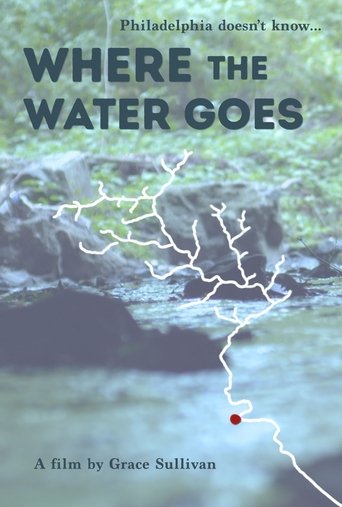
In Tacony Creek Park, home to one of Philadelphia's lesser-known watersheds, Julie Slavet and Malcolm Bundy reflect on their involvement with and love for the park, made bittersweet by the continuous and increasing amount of pollution that flows into its river. Combined wastewater and stormwater sewage outfalls have affected Philadelphia's rivers for years, but as one innovative program mitigates this for the Schuylkill and Delaware, Tacony gets left behind. Scientist Laura Toran educates the audience on green infrastructure and its potential positive impacts, while Slavet and Bundy discuss how they're still waiting—not without hope—for those impacts to reach their community.