


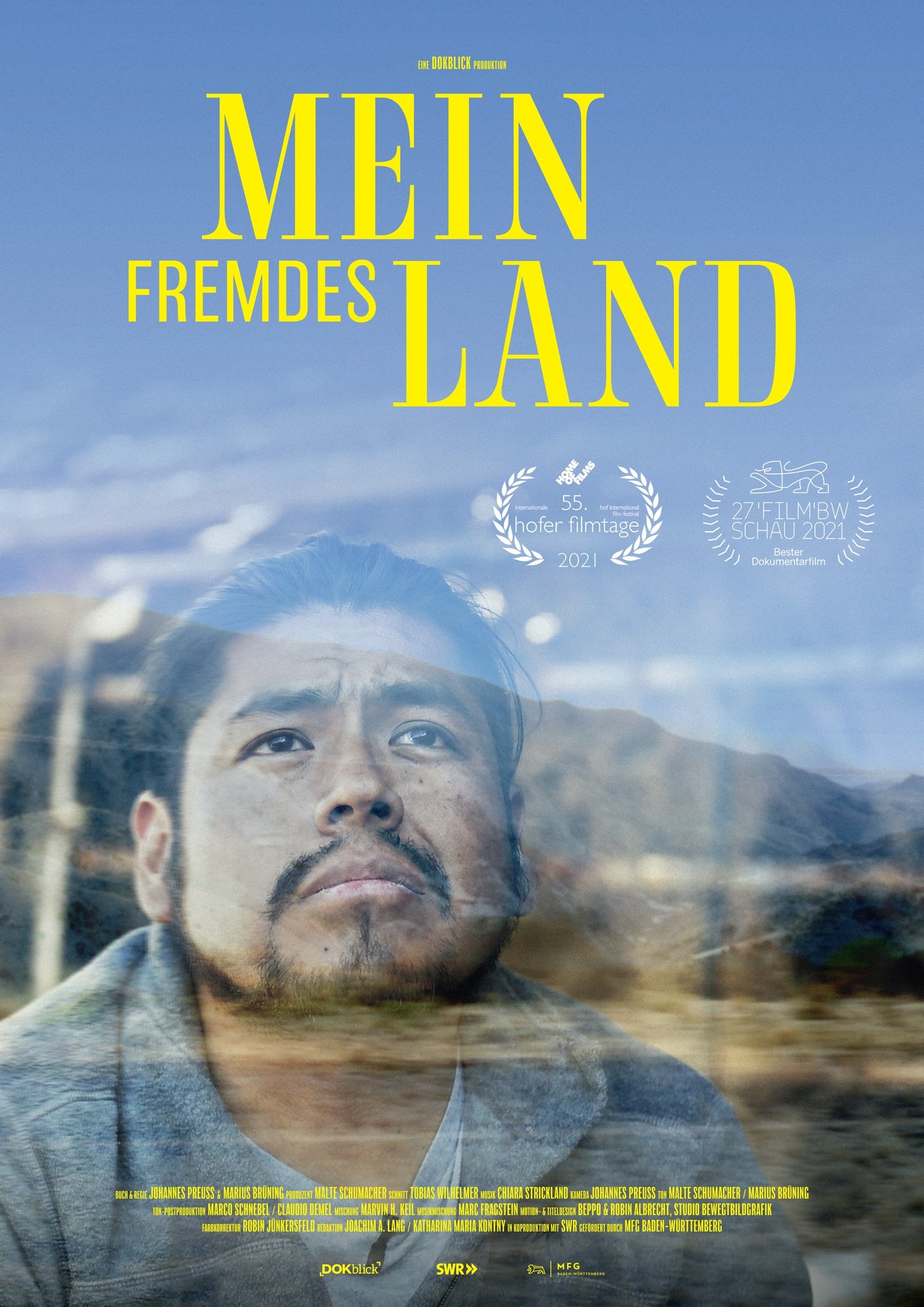
Mein fremdes Land
Documentary
Overview
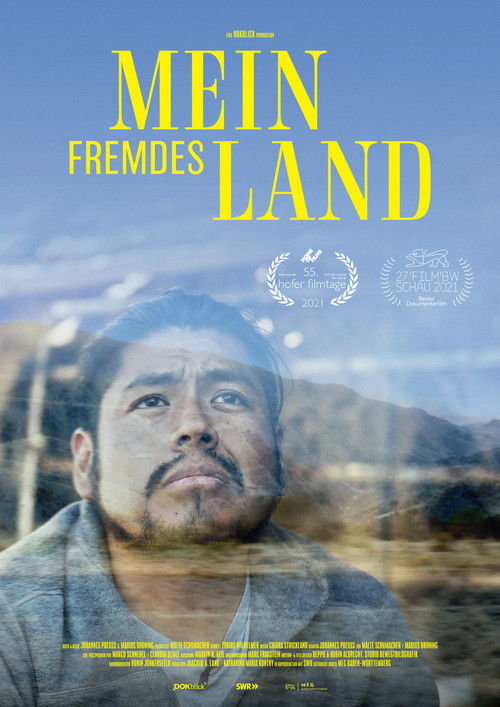
A Bolivian by birth, who grew up with adoptive parents in the Swabian town of Mössingen, is looking for his family in the mountains of Potosí. Out of poverty, his mother gave the little boy away when he was just a few months old. The search carries a story that goes far beyond personal fate. Because Manuel was born in a region known for the ruthless exploitation of silver. It's a film about identity, homeland and equal opportunities.







No cast information.
Similar Movies

A documentary examines the claims the Tuohy family have made about adopting Oher for over a decade, casting scrutiny on the conservatorship they put in place which has now been terminated by a judge. Oher’s litigation with the Tuohys continues, with the latter filing a sworn document on November 8 that they paid Oher more than $138,000 in profits from the film. Oher is expected to file any counterclaims by the end of November.

Documentary covering the current state of both the theoretical and practical development of the various scientific basic principles that served, as per Gene Roddenberry's dictum, as a believable basis at the time for The Original Series. Several real-world scientists are interviewed, not a few of them unabashedly admitting they went into their chosen field of profession because of Star Trek: The Original Series.

His buildings are garish, colorful and completely overloaded. Columns and glittering chandeliers everywhere, and way too much of everything. The Bolivian civil engineer and architect Freddy Mamani Silvestre (*1971) builds houses in El Alto for a nouveau riche upper class of the Aymara, the largest indigenous ethnic group in Bolivia.
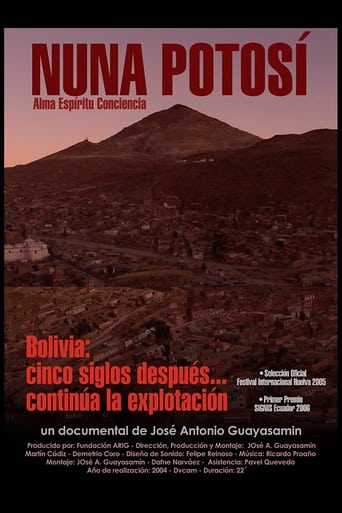
In the rich hill of Potosí in Bolivia there is a silver mine that was the largest in the world. It has been exploited since 1546 with the arrival of the Spanish who enslaved the indigenous people to steal the precious metal. To this day, hundreds of meters underground, the indigenous miners continue to exploit the mine in extremely precarious conditions, Martín Cádiz is one of them; hi works in the depths of the hill and desires that his children do not enter these tunnels of hell.
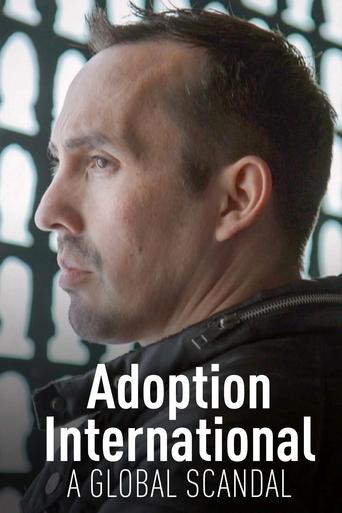
In the collective imagination, international adoption evokes images of children being saved from a life of destitution in poorer countries by being adopted by families in Europe or America. But the reality that has emerged is one of child trafficking, falsified documents and governments around the world turning a blind eye.

Danger, toil, and superstition pervade life in a mining town high up in the Bolivian mountains. Tin is the heartbeat of the community providing jobs and livelihoods - but at considerable cost. With deaths commonplace, people make offerings to El Tio, the devil under the earth, for protection and good fortune. But when the mountain's flow of tin ebbs, further measures must be taken...
From 2000 to 2008, China was the leading country for U.S. international adoptions. There are now approximately 70,000 Chinese adoptees being raised in the United States. Ninety-five percent of them are girls. Each year, these girls face new questions regarding their adopted lives and surroundings. This is a film about Chinese adopted girls, their American adoptive families and the paradoxical losses and gains inherent in international adoption. The characters and events in this story will challenge our traditional notions of family, culture and race.
Nearly 250,000 South Korean children were adopted to the West as “orphans” in the 60 years following the Korean War. Some to loving homes. Others to tragic ends. Raised in places where they looked like nobody else, many were told to forget their past and be grateful. But the innate desire to understand where you came from has led many Korean adoptees to search for their roots. In the process, they discover lies in their past and families they never knew existed. In this documentary series, correspondent Wei Du travels around the world to meet Korean adoptees and accompany a few on their journey to reclaim who they are. Together, they reveal how an “orphan rescue” mission separated families and erased the roots of hundreds of thousands.