


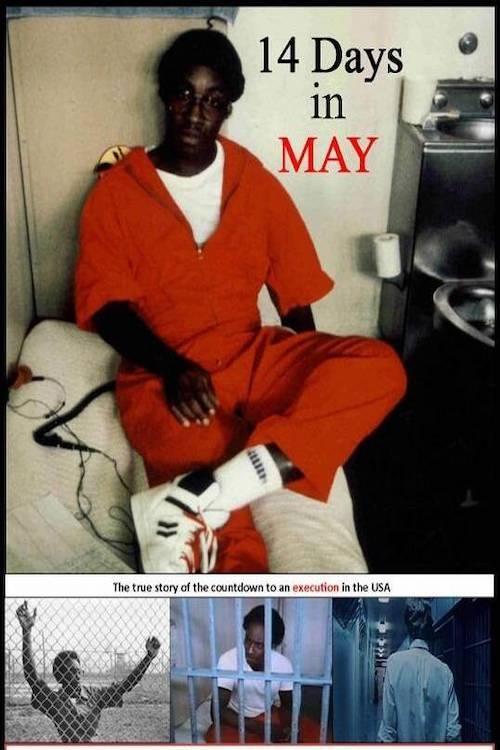
Fourteen Days in May
Documentary
Overview
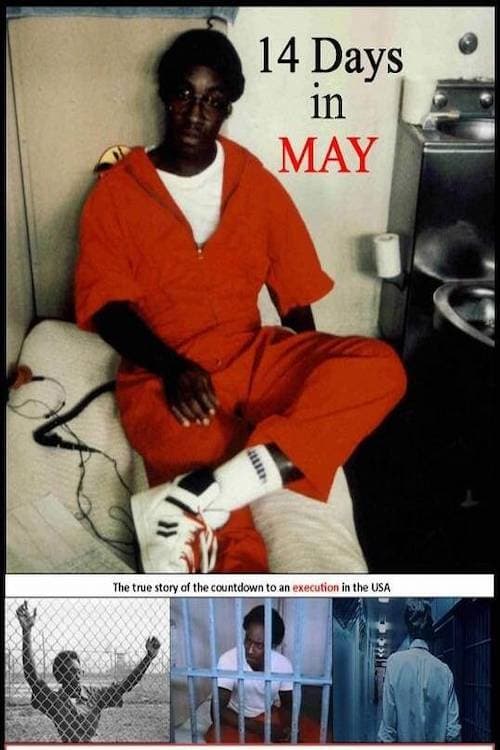
A camera crew follows Edward Earl Johnson, a man falsely convicted of rape and murder, during his last 14 days on death row. Everyone involved is interviewed, Johnson himself, his family, the warden, prison guards and other inmates. We also witness the futile attempts by his attorney to save his life.
Top Cast


Clive Stafford Smith
Clive Stafford Smith
Himself
Clive Stafford Smith
Himself
Similar Movies
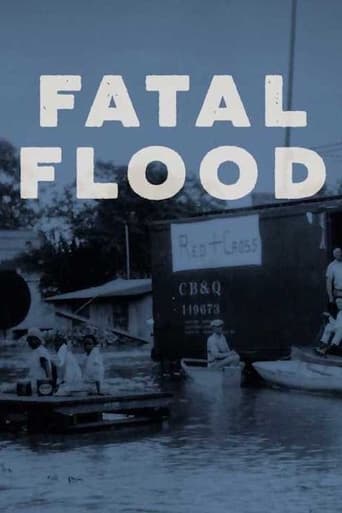
In the spring of 1927, after weeks of incessant rains, the Mississippi River went on a rampage from Cairo, Illinois to New Orleans, inundating hundreds of towns, killing as many as a thousand people and leaving a million homeless. In Greenville, Mississippi, efforts to contain the river pitted the majority black population against an aristocratic plantation family, the Percys, and the Percys against themselves. A dramatic story of greed, power and race during one of America's greatest natural disasters.
Documentary about the first human to donate his body to science so that it could be studied in the form of a 3D database of the entire anatomy that is available to view online. Convicted killer Joseph Paul Jernigan donated his body to science shortly before he was executed in 1993 and this documentary examines what took place after his death by lethal injection.
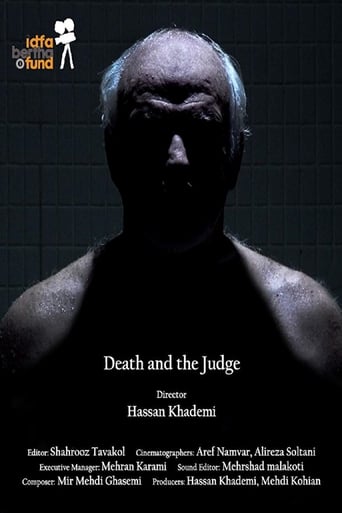
The documentary, " Death and the Judge", revolves around Iran's most famous criminal judge, Azizmohammadi. He served as a criminal judge for 45 years and issued about 4500 death sentences; a record in not only Iran, but also the world. This documentary looks into his personal and professional life as he is followed within his home with his family, in the court of law, and in his retirement days. The ultimate purpose of the documentary is to deduce the role of death in the judge's life as he either takes life away from criminals or death comes to his loved ones. During his retirement, he is once again given the choice between the life and death of a person, despite no longer being a judge.
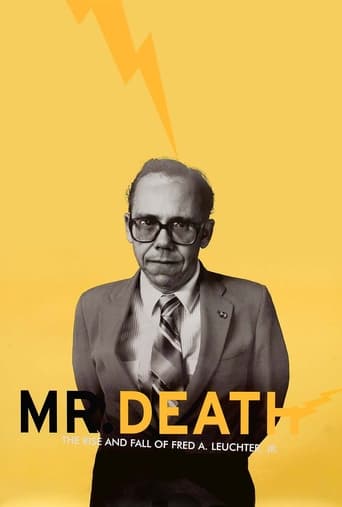
Documentary filmmaker Errol Morris investigates the case of a man who became an authority on capital punishment, but was discredited when he got involved on the wrong side of a court case. Leuchter, a meek man whose appearance belies his grim expertise, develops what he says is a more effective electric chair. Before long he's in demand from officials who want his opinions on other kinds of execution. But when called to aid the case of an accused Holocaust denier, Leuchter's problems begin.

British documentarian Nick Broomfield creates a follow-up piece to his 1992 documentary of the serial killer Aileen Wuornos, a highway prostitute who was convicted of killing six men in Florida between 1989 and 1990. Interviewing an increasingly mentally unstable Wuornos, Broomfield captures the distorted mind of a murderer whom the state of Florida deems of sound mind -- and therefore fit to execute. Throughout the film, Broomfield includes footage of his testimony at Wuornos' trial.
Scott Panetti was tried for the capital murder of his parents-in-law on September 8, 1992 in Gillespie County, Texas. He was subsequently sentenced to death on September 22, 1995. Panetti has an extensive history of mental illness, including schizophrenia, manic depression, auditory hallucinations and paranoia. Panetti was hospitalized, both voluntarily and involuntarily for mental illness fourteen times in six different hospitals before his arrest for capital murder in 1992. Following his conviction, Panetti’s former wife, and daughter of the victims, Sonja Alvarado, filed a petition stating that Panetti never should have been tried for the crimes as he was suffering from paranoid delusions at the time of the killings.
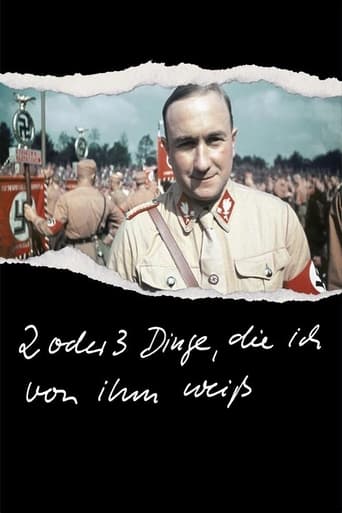
What would your family reminiscences about dad sound like if he had been an early supporter of Hitler’s, a leader of the notorious SA and the Third Reich’s minister in charge of Slovakia, including its Final Solution? Executed as a war criminal in 1947, Hanns Ludin left behind a grieving widow and six young children, the youngest of whom became a filmmaker. It's a fascinating, maddening, sometimes even humorous look at what the director calls "a typical German story." (Film Forum)
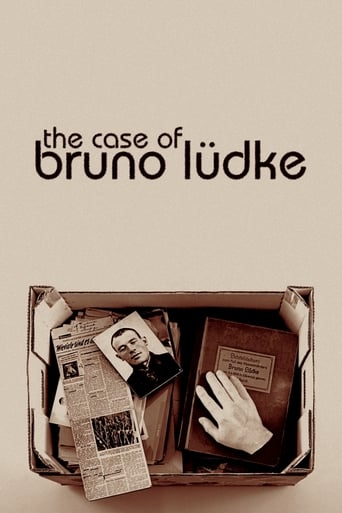
The incredible story of Bruno Lüdke (1908-44), the alleged worst mass murderer in German criminal history; or actually, a story of forged files and fake news that takes place during the darkest years of the Third Reich, when the principles of criminal justice, subjected to the yoke of a totalitarian system that is beginning to collapse, mean absolutely nothing.