

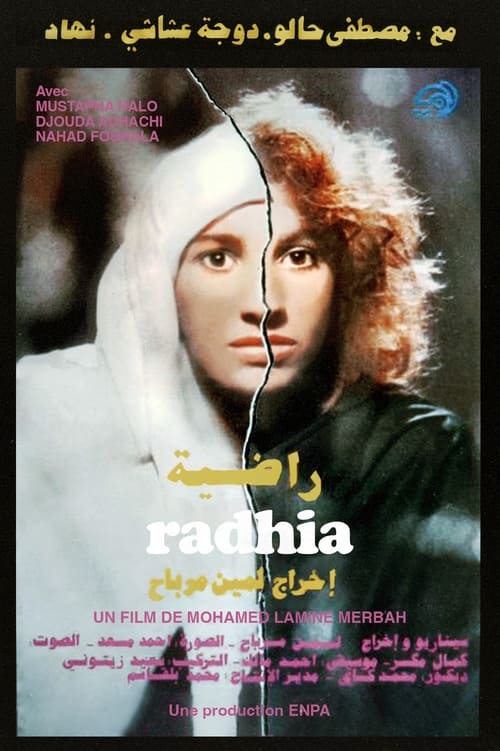
Radhia
Drama
Overview
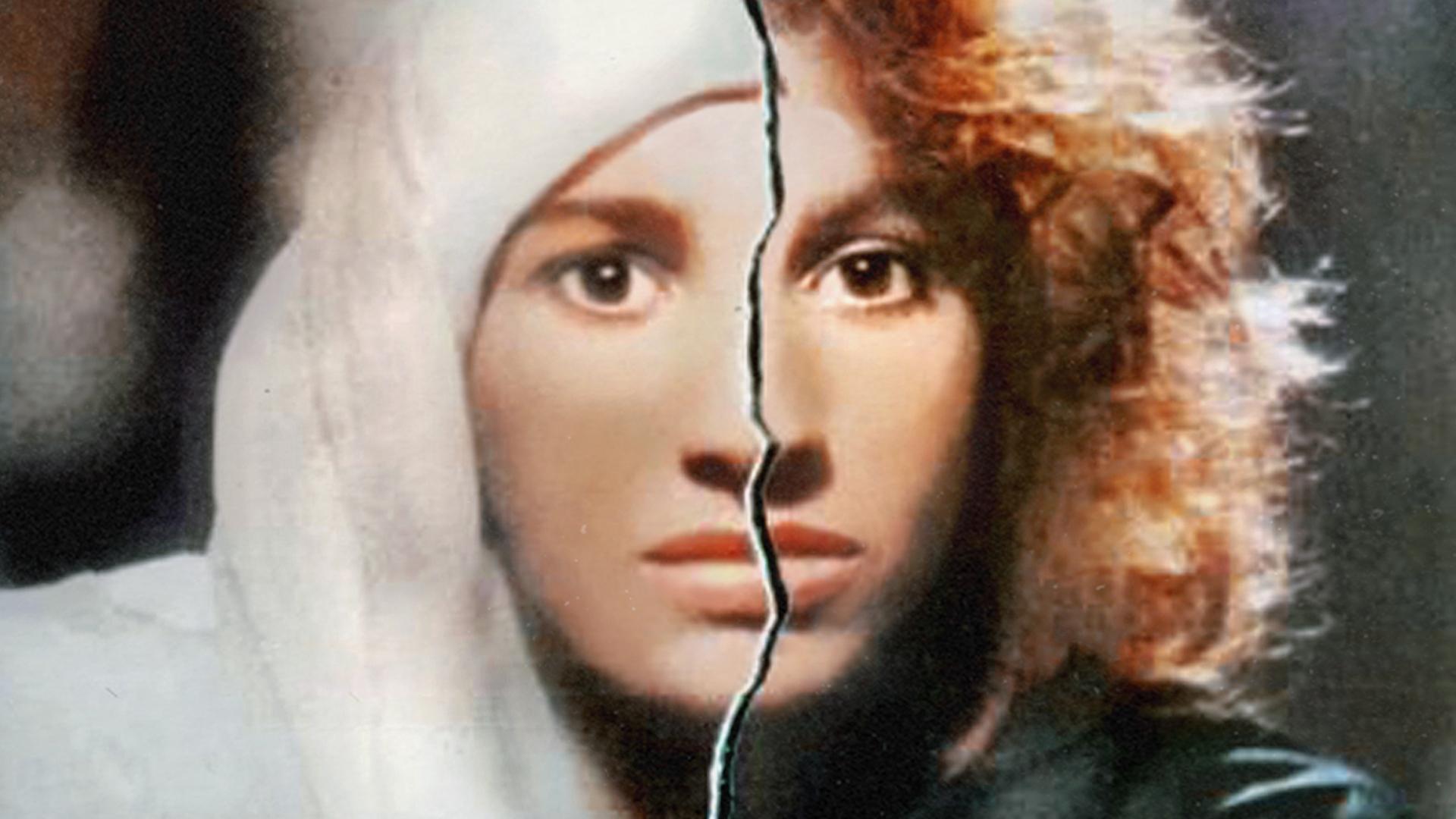
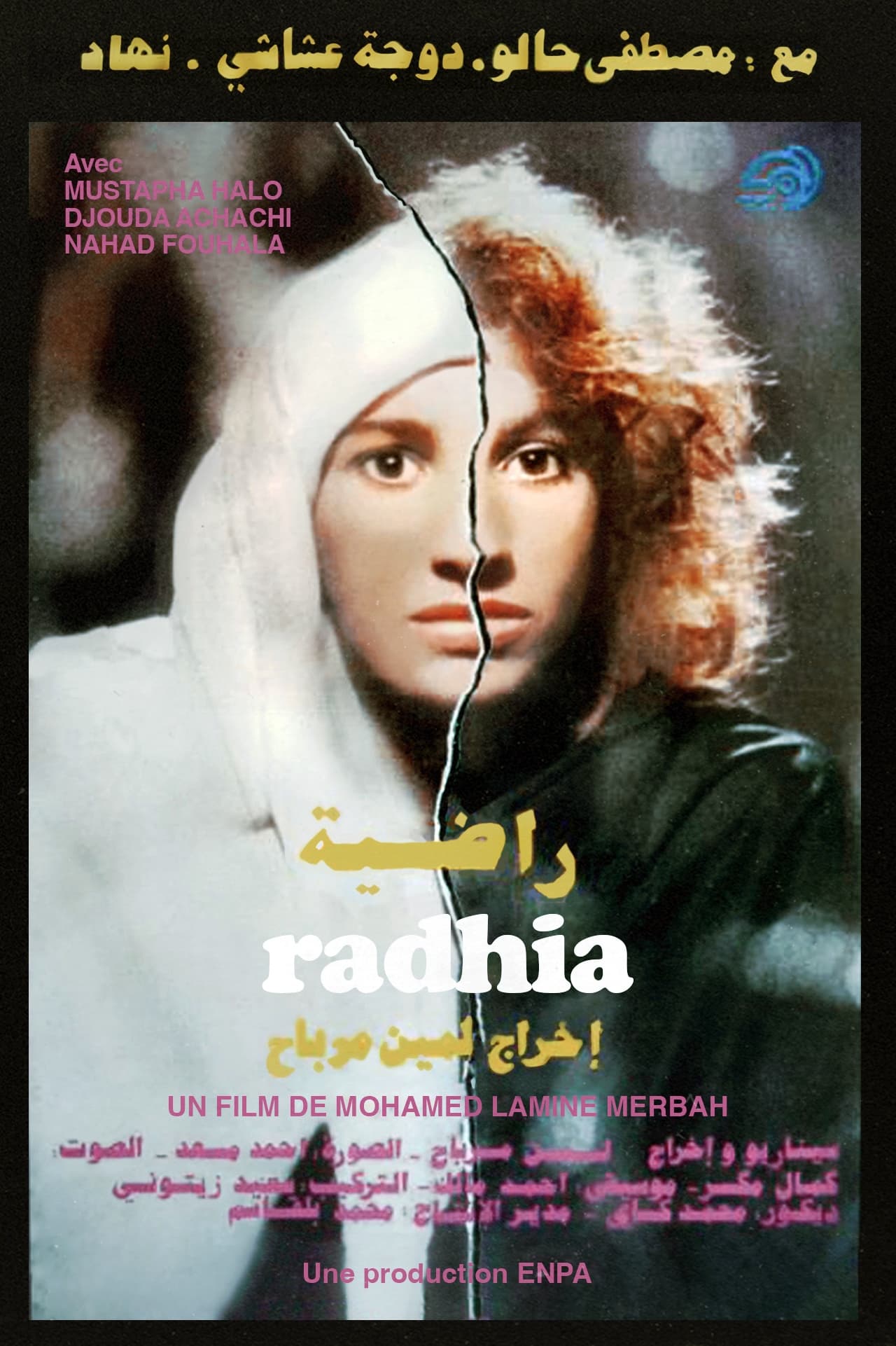
The story of a family divided ideologically and politically in Algeria in the 1990s, under the helpless gaze of the mother, played by the brilliant Doudja Achachi, the bearer of centuries-old traditions.







Nahed Fouhala
Nahed Fouhala
Nahed Fouhala

Mustapha El Anka
Mustapha El Anka
Mustapha El Anka

Doudja Achachi
Doudja Achachi
Doudja Achachi
Aziz Anik
Aziz Anik
Aziz Anik
Similar Movies
The story is set at the beginning of the 20th century in Sicily. Salvatore, a very poor farmer, and a widower, decides to emigrate to the US with all his family, including his old mother. Before they embark, they meet Lucy. She is supposed to be a British lady and wants to come back to the States. Lucy, or Luce as Salvatore calls her, for unknown reasons wants to marry someone before to arrive to Ellis Island in New York. Salvatore accepts the proposal. Once they arrive in Ellis Island they spend the quarantine period trying to pass the examinations to be admitted to the States. Tests are not so simple for poor farmers coming from Sicily. Their destiny is in the hands of the custom officers.
A fearsome 19th century bandit, Cobra Verde cuts a swath through Brazil until he arrives at the sugar plantation of Don Octávio Countinho. Not knowing that his new guest is the notorious bandit and impressed by his ruthless ways, Don Octávio hires Cobra Verde to oversee his slaves. But when Cobra Verde impregnates Don Octávio’s three daughters, the incensed plantation owner exiles the outlaw to Africa where he is expected to reopen the slave trade. Following his trans-Atlantic journey, Cobra Verde exploits tribal conflicts to commandeer an abandoned fortress and whips an army of naked warriors into a frenzied bloodlust as he vies for survival.
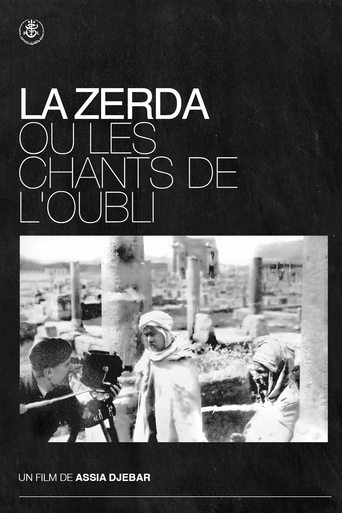
“La Zerda and the songs of oblivion” (1982) is one of only two films made by the Algerian novelist Assia Djebar, with “La Nouba des femmes du mont Chenoua” (1977). Powerful poetic essay based on archives, in which Assia Djebar – in collaboration with the poet Malek Alloula and the composer Ahmed Essyad – deconstructs the French colonial propaganda of the Pathé-Gaumont newsreels from 1912 to 1942, to reveal the signs of revolt among the subjugated North African population. Through the reassembly of these propaganda images, Djebar recovers the history of the Zerda ceremonies, suggesting that the power and mysticism of this tradition were obliterated and erased by the predatory voyeurism of the colonial gaze. This very gaze is thus subverted and a hidden tradition of resistance and struggle is revealed, against any exoticizing and orientalist temptation.