

Some Aspects of Cape Verdean Culture
Documentary
Overview
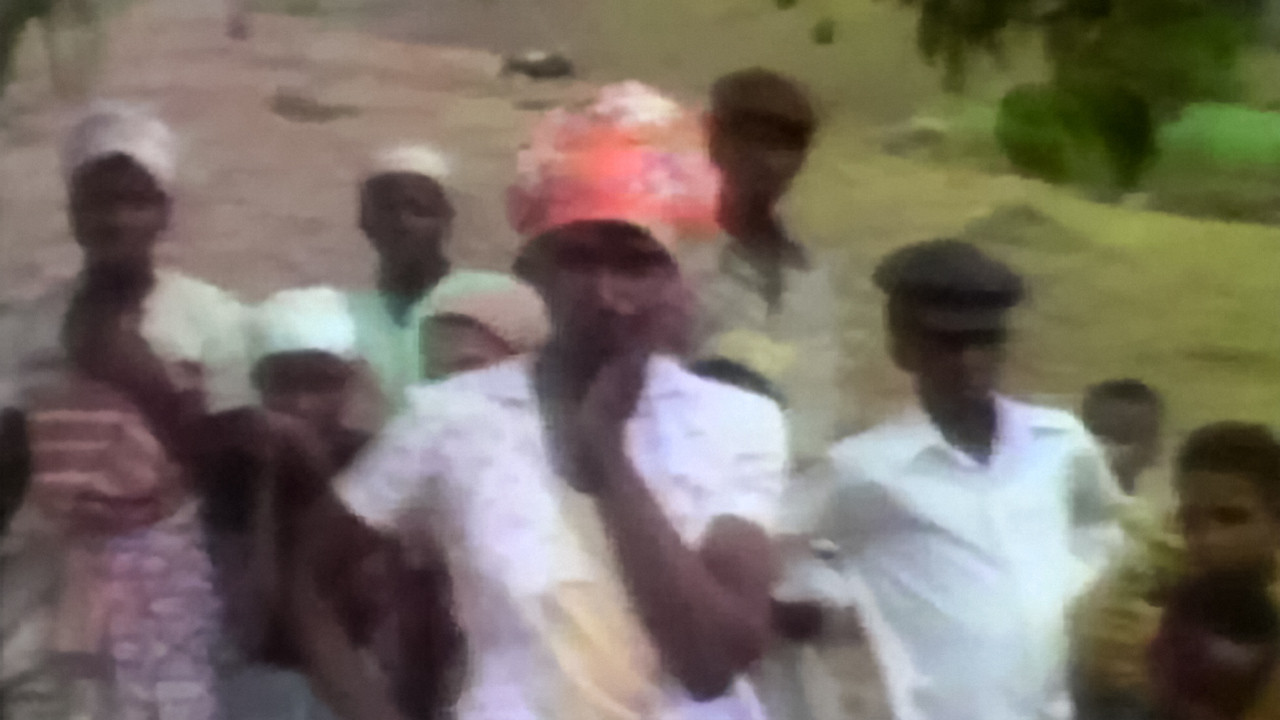
"Some Aspects Of Cape Verdean Culture" is a re-discovered and restored documentary shot in 1975 in cape verde at the time of independence by pioneering video artist Anthony D. Ramos. This was some of the earliest video work by ramos, who received a 1975 grant from the Rhode Island Council for the Humanities for travel to Cape Verde and a sony color 1/2" reel to reel video camera . Ramos , a cape verdean american, traveled to the islands of Sao Tiago, Fogo and Sao Vicente , and was the only american camera to capture the historic end of 500 years of Portuguese colonial rule. Over eighty hours of video were shot, and efforts are currently underway to raise funds to restore and transfer the rest of videos in this valuable archive.



No cast information.
Similar Movies
The Other Side of the Atlantic is a documentary that builts a bridge in the ocean that separates Brazil and Africa. The film tackles the cultural exchanges, the imaginary created through the mirroring, the prejudice and dreams built in both sides of the atlantic through the life stories of the students of african countries in transit through Brazil.

In Cape Verde, where the majority of the population is young, children use olive oil cans, bits of sandals, leftover tires and pieces of cardboard to build their own toys. The absence of a consumer society and the challenges posed by insularity have led them to invent their own recreational independence with almost nothing.
This film explores aspects of the African Diaspora, history and culture that are not widely known or are normally overlooked in mainstream, popular and scholarly discourse. It tells the compelling story of two African countries(Cape Verde and Sao Tome & Principe) forever linked by a history of poverty and slavery, and two people forever linked by the unbreakable bond of family and love
The untold tragedy and scandal of what happened to a vibrant community of immigrants from the Cape Verde Islands in the Fox Point section of Providence, Rhode Island who were forcibly displaced by urban renewal to make way for fancy coffee shops, antique stores and elegantly restored houses. Poignant, heartfelt and warm, in a timeless snapshot SKFPR captures the essence, spirit and heart of a community whose history was erased before it was written.
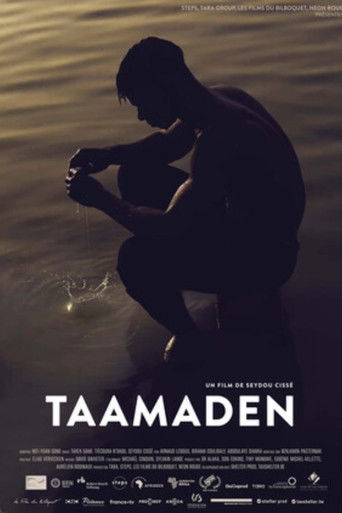
Bakary, a young man from Mali, sits on a rock in a lake and pours a small packet of milk over his head and body. He then takes an egg, looks at it carefully and says “Monday”, after which he breaks it and drops the yolk into the water. He repeats this several times. Having followed all his marabout’s instructions to the letter, his next crossing should now be successful.
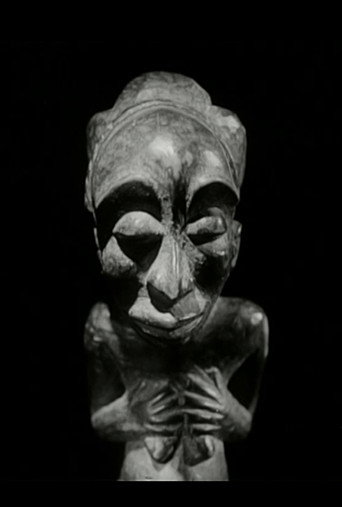
Passages from the Bible are read out while sculpted objects and monumental art works glide slowly past the camera. Most of them represent female figures in different stages of their life: women at work, pregnant women and mothers with children. The film shows a series of everyday objects such as headrests, chairs, combs, pipes, musical instruments and chiefs' sticks
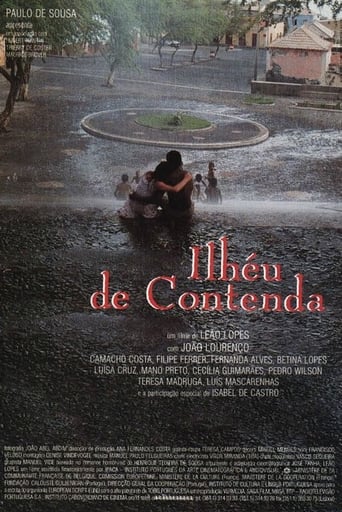
Cape Verde, 1964. At the feet of a mighty volcano, the traditional Cape Verdean society is undergoing a steady change. The old land-owning aristocracy is disintegrating. A class of "mulattos" begins to emerge, with a trade-based financial power that threatens the landlords. A new identity arises, a mix of old and new, of African and Portuguese culture, sensual and dynamic. The songs of Cesária Évora follow this inevitable transformation. From the novel by Henrique Teixeira de Sousa.
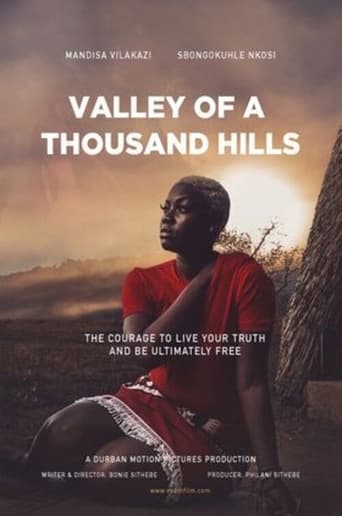
A young woman who comes from a conservative village must choose between living a lie to stay the perfect Zulu daughter, or risk her life for true love. Nosipho has a secret. She is a loving daughter held up as an example in her community, with a domineering father who has chosen a potential husband for her. But her soulmate and one true love is a woman.