

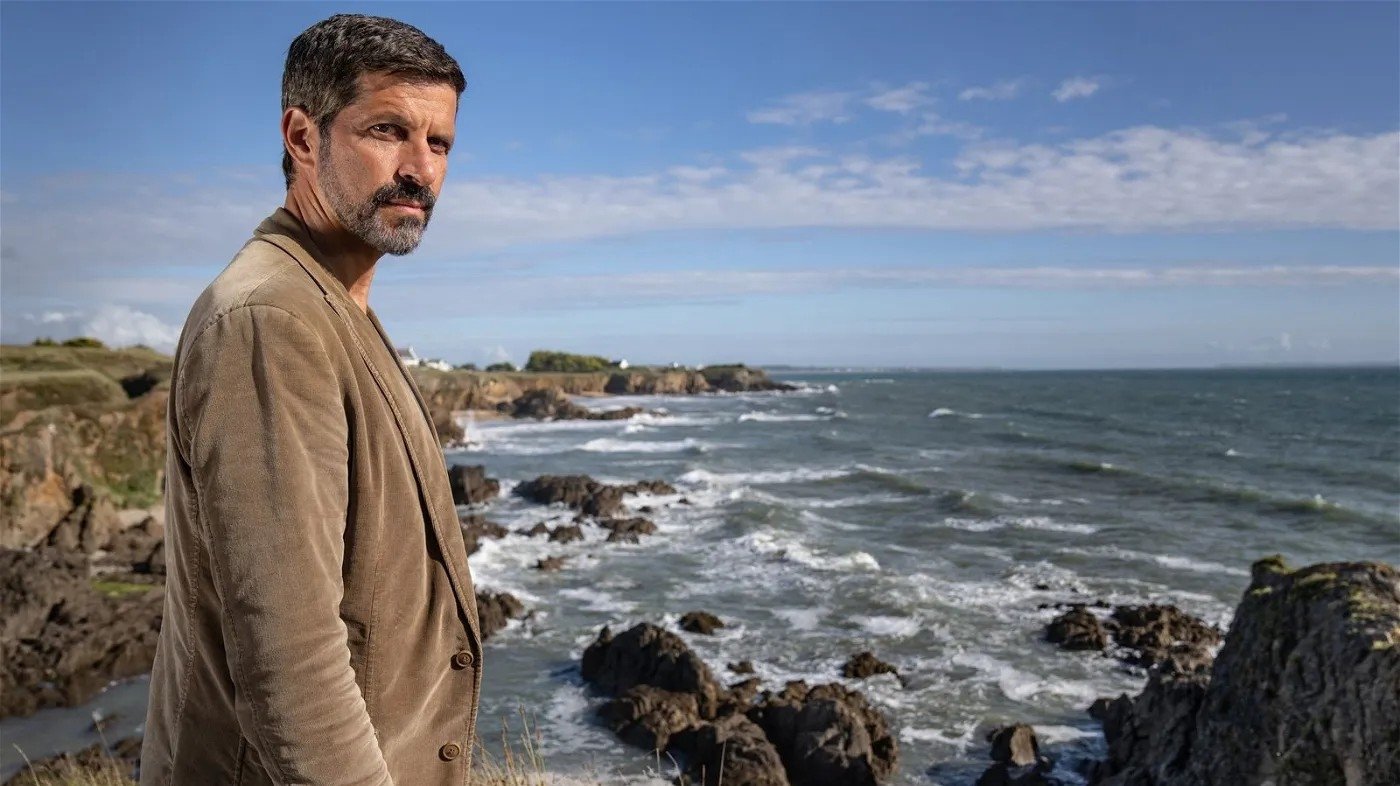
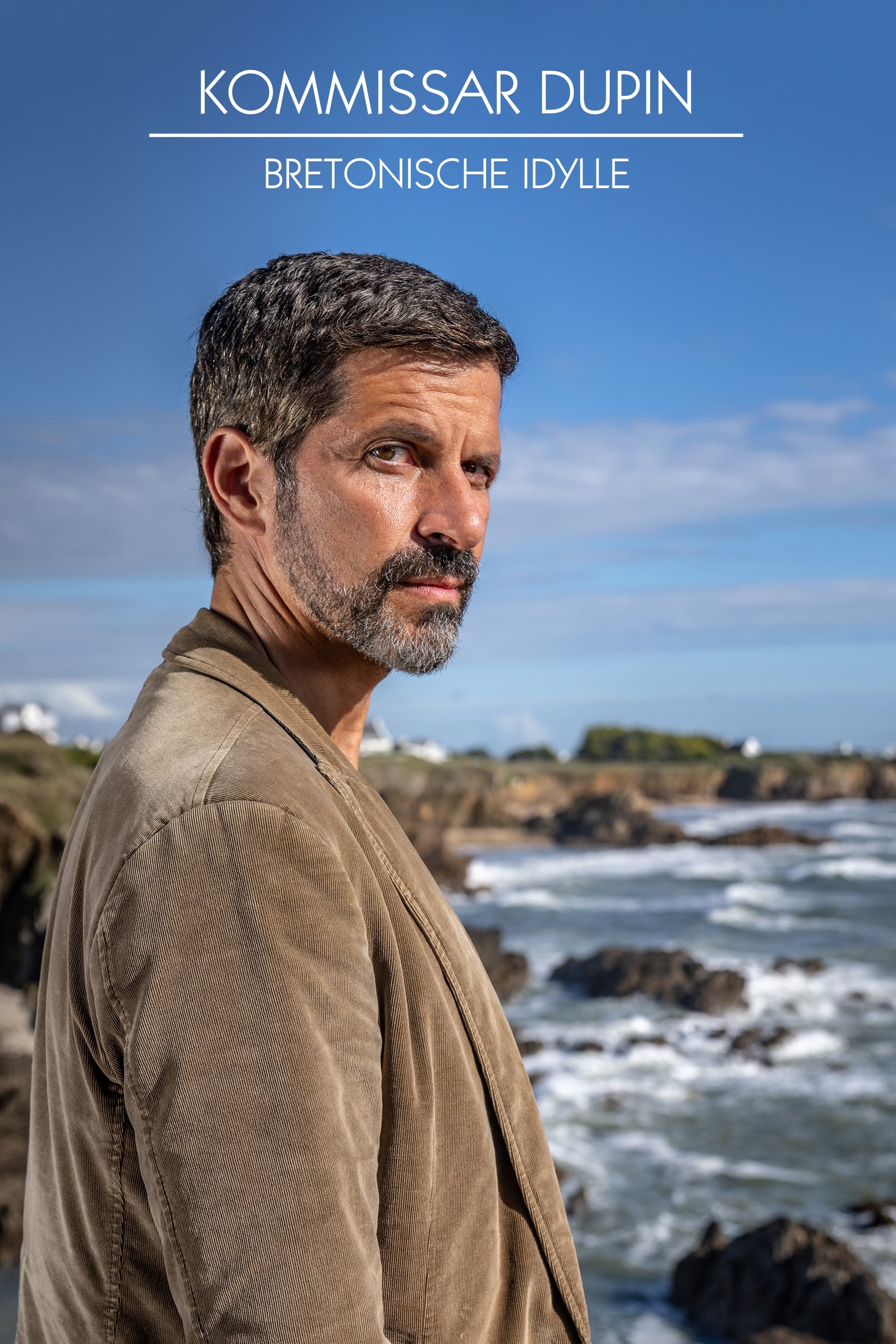
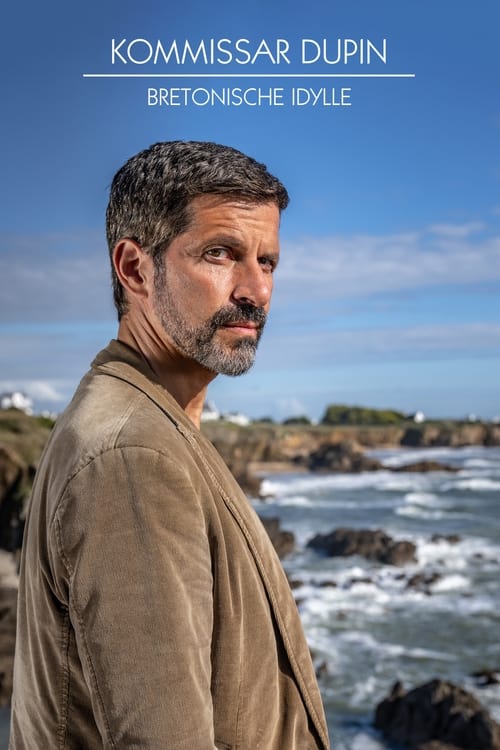
Inspector Dupin: Brittany's Idylls
Crime · TV Movie
Overview
A body is pulled out of the sea and it becomes clear this was neither a suicide nor accident… it was murder.

Pasquale Aleardi
Pasquale Aleardi
Georges Dupin
Pasquale Aleardi
Georges Dupin

Jan Georg Schütte
Jan Georg Schütte
Kadeg
Jan Georg Schütte
Kadeg

Gisa Flake
Gisa Flake
Gendarmin Nevou
Gisa Flake
Gendarmin Nevou

Stephan Benson
Stephan Benson
Patric Provost
Stephan Benson
Patric Provost

Christina Hecke
Christina Hecke
Claire
Christina Hecke
Claire

Anna Grisebach
Anna Grisebach
Agnès Griffon
Anna Grisebach
Agnès Griffon
Aurel Manthei
Aurel Manthei
Albert Zinc
Aurel Manthei
Albert Zinc
Similar Movies
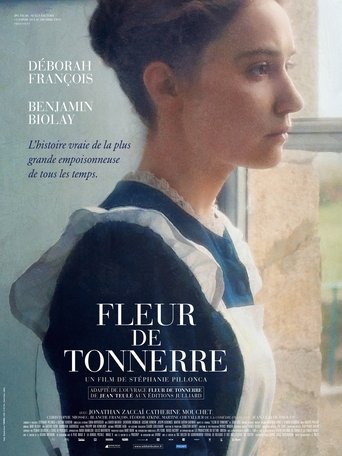
In 1800, Brittany is on its knees, overwhelmed by the regime in place and by the omnipotent clergy. It founders in an economic slump without end in sight and, in the middle of all this, a young, suffering girl pushes back as best she can. She is known as the "Poisoning Angel," an isolated child, mistreated by life and rocked by morbid thoughts. She will become one of the world's most notorious serial killers and will sow death, perhaps merely to be looked at and loved.
In the heart of Saint-Malo, there's a gigantic area, covering 1/3 of the city, off-limits to the public. It's a part of the commercial port that's mainly accessible via an architecturally unusual footbridge that limits access. An inaccessible place that will be the first to disappear beneath the waves in a few years' time. Only strange sounds reach us from afar: whirring, construction noise, sirens wailing... This parallel world is bustling day and night. But it's in the depths of the night that unfamiliar sounds and lights arouse the most fantasies.
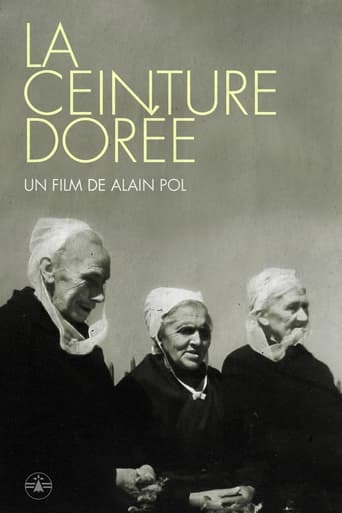
La Ceinture Dorée is an institutional documentary film on the Brittany region in France. The different scenes describe the daily life of the Bretons, starting with a geography lesson on Brittany in a classroom. Then a Breton landscape where a painter paints a house, women in headdresses in a procession, bell towers and forgiveness, prayers at Calvaries. Then follow the plans of the boats at the dock and the work of the oyster farmers. Lobster ponds, algae collectors and fertilizer collection. Daily life of the Leonards, preparation of pancakes in front of the fireplace and pancake meal. etc

From time immemorial, the Bretons have fought many battles to safeguard their culture, rich in language, music and dance. However, Brittany was for a long time a forgotten land, neglected by the Republic which forbade its language. From the 1960s onwards, the agricultural revolution turned peasant life upside down. Its culture, which had long been supported by Catholic priests, was emancipated in the seventies, carried by a new breath of air that accompanied the Breton angers. The youth then reappropriated their language and culture. From the long years of relegation to their great anger, the Bretons have written a fascinating saga since the end of the 19th century.