

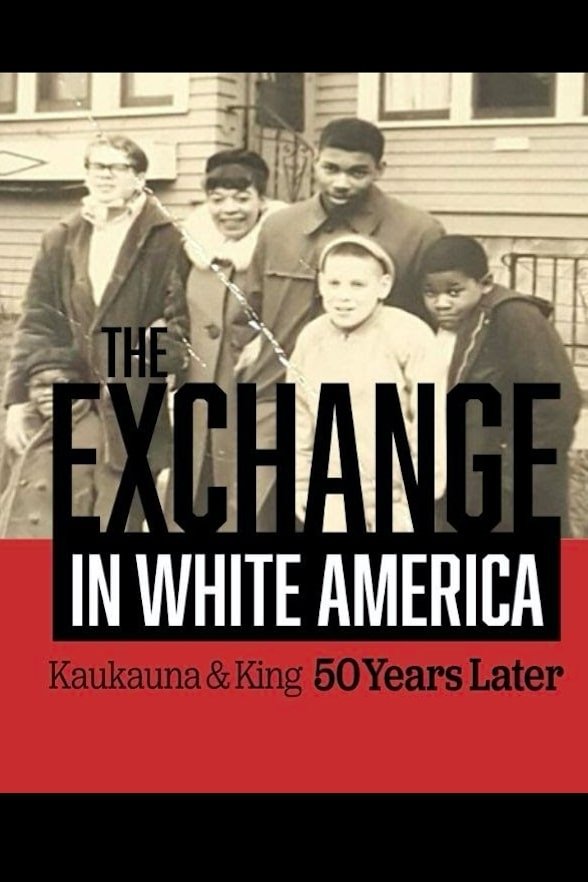
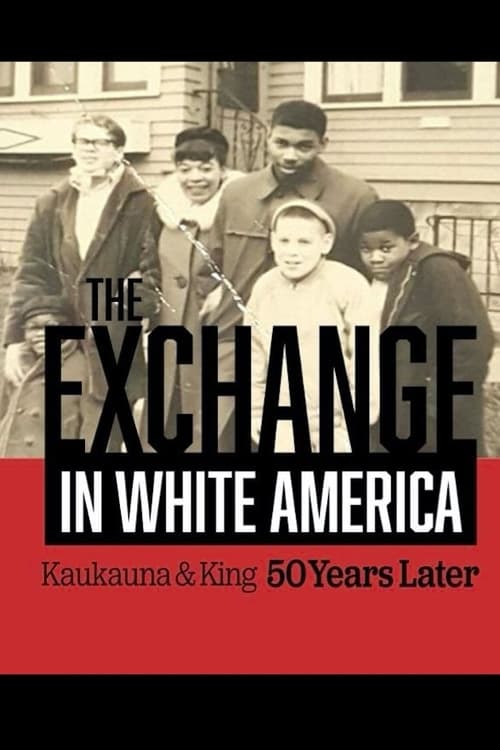
The Exchange. In White America. Kaukauna & King 50 Years Later
Documentary
Overview
Joanne Williams' documentary captures an experiment of sorts. In 1966, amid the Civil Rights era, students from Milwaukee's Rufus King High School and students from Kaukauna High School participated in an exchange program that culminated in a production of Martin Duberman's play IN WHITE AMERICA. Now, over fifty years later, the original participants come together with a new generation, reprising this play with reflection and new energy amid our own racial reckoning.
Top Cast


Martin Duberman
Martin Duberman
Self
Martin Duberman
Self
Joanne Williams
Joanne Williams
Self
Joanne Williams
Self
Similar Movies

"A documentary anatomy of mass murder for one monitor and 34 talking heads." These are the words the filmmakers use in the credits to describe their project, which thematises the execution of more than 260 Carpathian Germans, Hungarians and Slovaks by Czechoslovak army soldiers near Přerov in June 1945. The “massacre at Přerov” is made present through a minimalist dramatisation of the interrogation footage of direct participants, eyewitnesses, and others. It is as if the characters of ancient theatre were entering the Zoom “stage” and delivering a tragic message of fear, hatred and disinterest across the chasm of time.
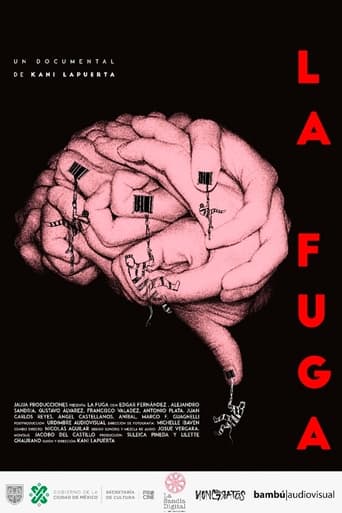
The internal journey of eight men, who, through a theater workshop, go through the different prisons they inhabit. Practicing the art of seeing themselves, in Boal's words, this group of men reflects on their masculinity as a representation to hide their true strength: their vulnerability.
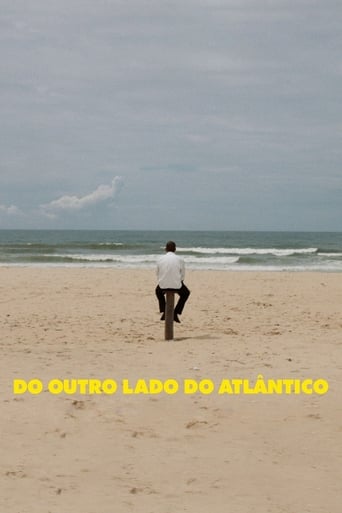
The Other Side of the Atlantic is a documentary that builts a bridge in the ocean that separates Brazil and Africa. The film tackles the cultural exchanges, the imaginary created through the mirroring, the prejudice and dreams built in both sides of the atlantic through the life stories of the students of african countries in transit through Brazil.
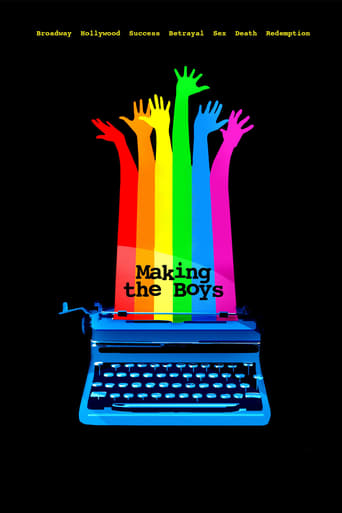
Before Prop 8, Milk or Will & Grace, before the AIDS epidemic, gay pride parades or the Stonewall uprising, "The Boys in the Band" changed everything. "Making the Boys" explores the drama, struggle and enduring legacy of the first-ever gay play and subsequent Hollywood movie to successfully reach a mainstream audience. Featuring anecdotes from the surviving cast and filmmakers, as well as perspectives by legendary figures from stage and screen, it traces the behind-the-scenes drama and lasting legacy of this cultural milestone.
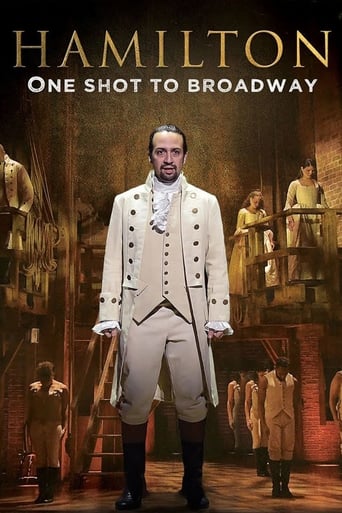
It’s the hit musical that changed Broadway forever and brought the genius of Lin Manuel Miranda to the attention of legions of fans across the world. A story of how a group of mavericks made an unlikely marriage of hip-hop and history to create the biggest show in America…and are getting ready to conquer the world. Featuring interviews with Miranda, as well as the cast and crew of Hamilton.
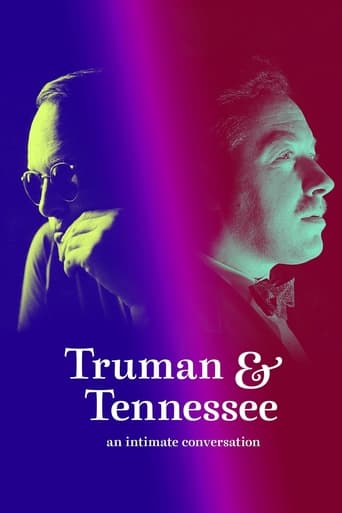
The parallel lives of writer Truman Capote (1924-84) and playwright Tennessee Williams (1911-83): two friends, two geniuses who, while creating sublime works, were haunted by the ghosts of the past, the shadow of constant doubt, the demon of addictions and the blinding, deceptive glare of success.
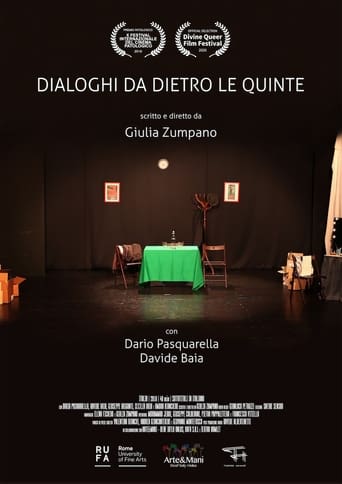
A documentary that follows the story of Dario Pasquarella, deaf director and actor, and his company. Through his work, Dario seeks to bring together the deaf and hearing community, who are usually separated by a lack of communication. In his shows he uses both languages, LIS, sign language and spoken language, to tell stories in which the deaf and hearing can live in symbiosis.
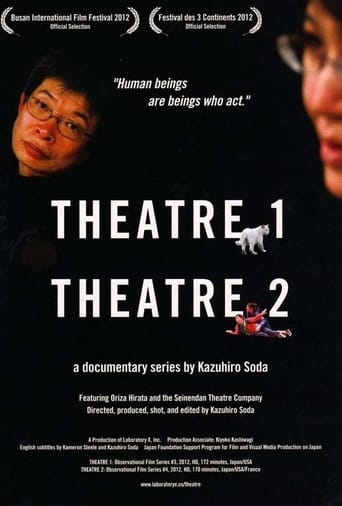
Theatre 1 (Observational Film Series #3) is a feature length documentary, which closely depicts the world of Oriza Hirata, Japan's leading playwright and director, and his theatrical company, Seinendan. By depicting them, the film leads the audience to revisit fundamental but timely questions: What is theatre? Why do human beings act?
Oriza Hirata is Japan's leading playwright and director, who runs his own theatrical company, Seinendan. Theatre 2 (Observational Film Series #4) examines the dynamic relationship between theatre and the society through depicting Hirata's activities. In order for his art and his not-so-commercial company to survive this highly capitalistic modern society, what kind of strategy does Hirata have and practice?
Bill Moyers takes a piercing look at how global economic changes are destroying the lives and livelihoods of hardworking Americans. The documentary follows several individuals and their families in Milwaukee, Wisconsin, as they fight to make ends meet in the “new economy.” In sheer numbers, more jobs were created than lost in America during the last decade, but a look behind those numbers reveals a shortage of jobs that pay enough to support a family. The program intimately portrays the lives of workers and their families as they struggle to make it in today’s job market.