

Misfocus
Drama
Overview
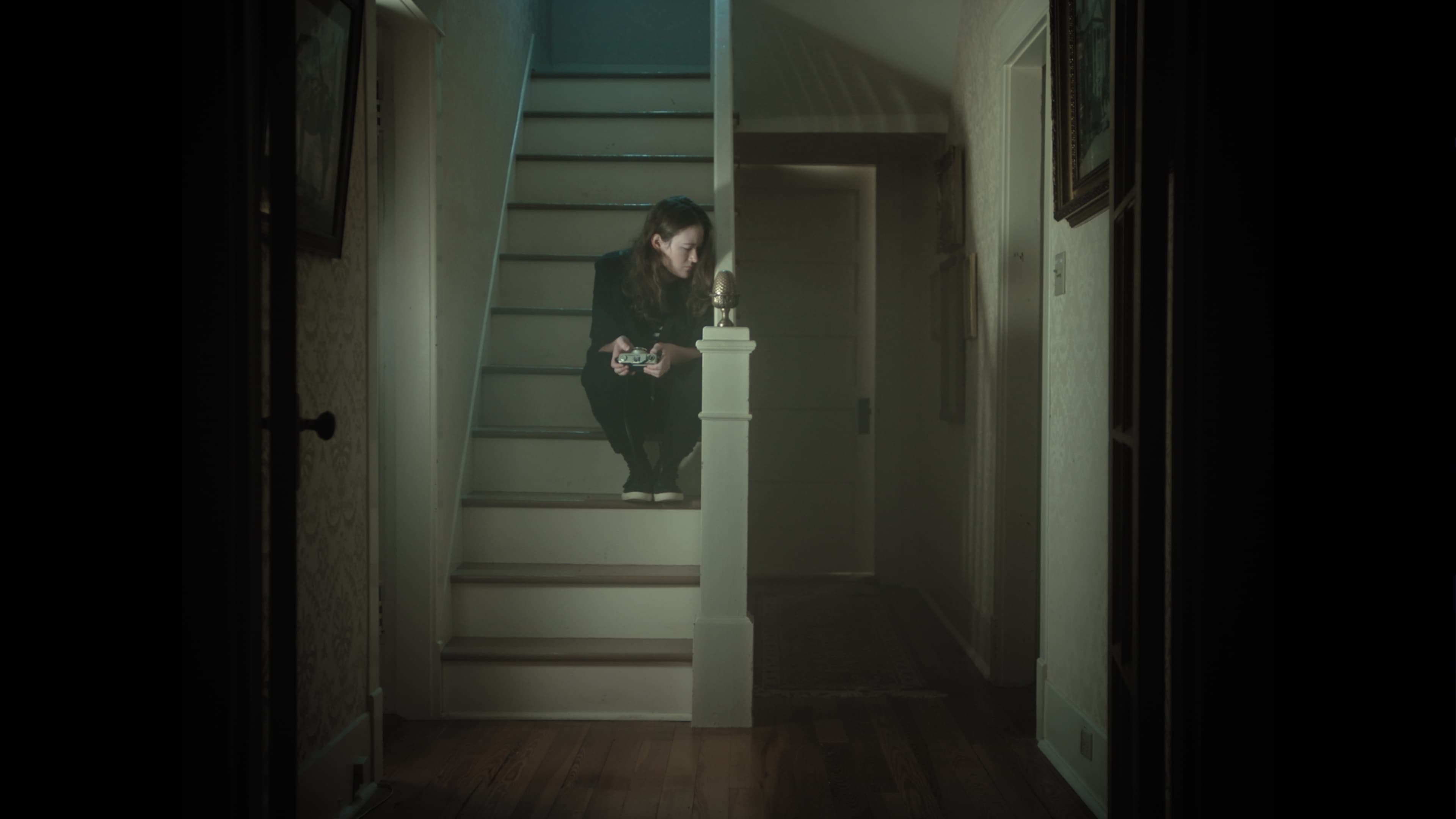
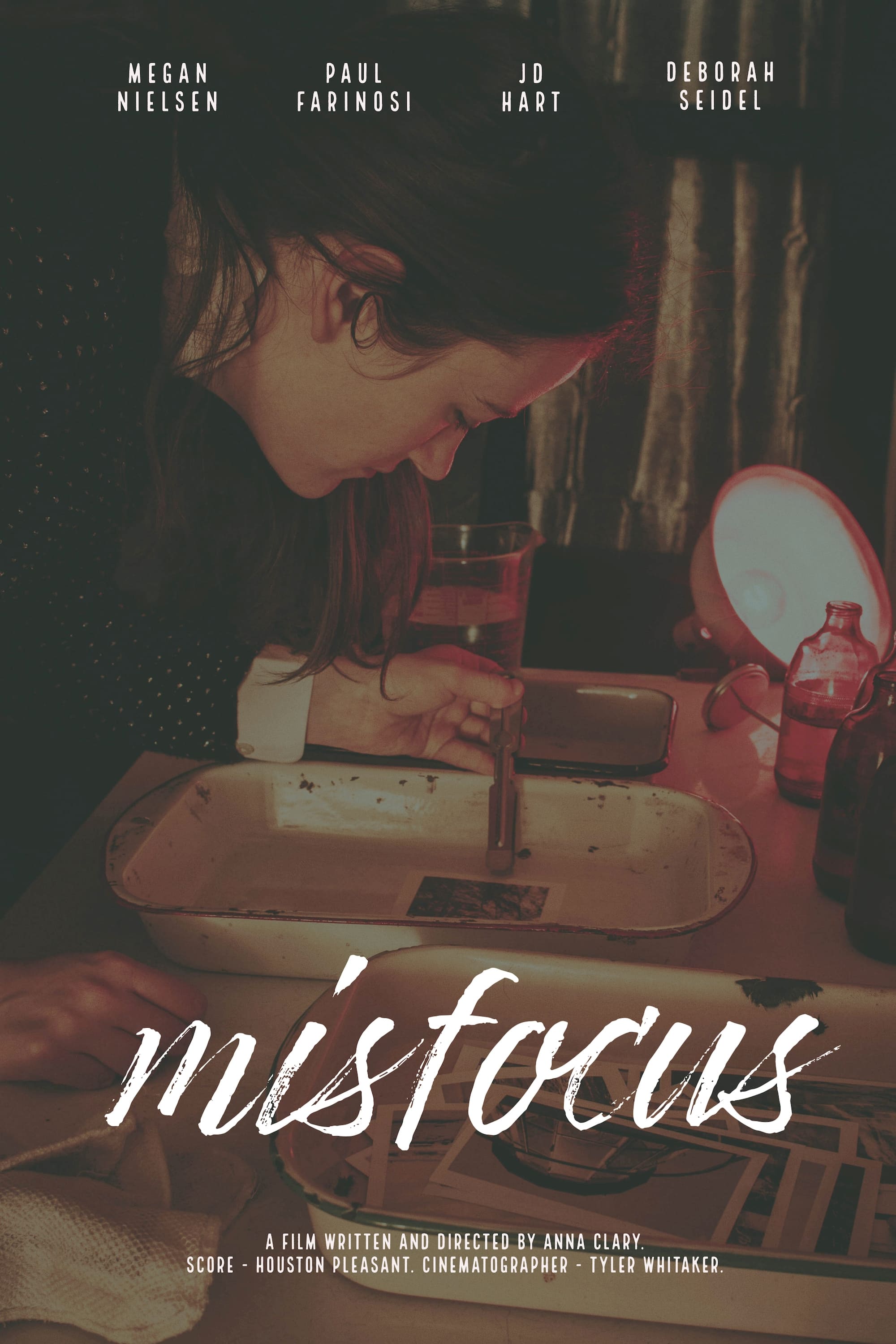
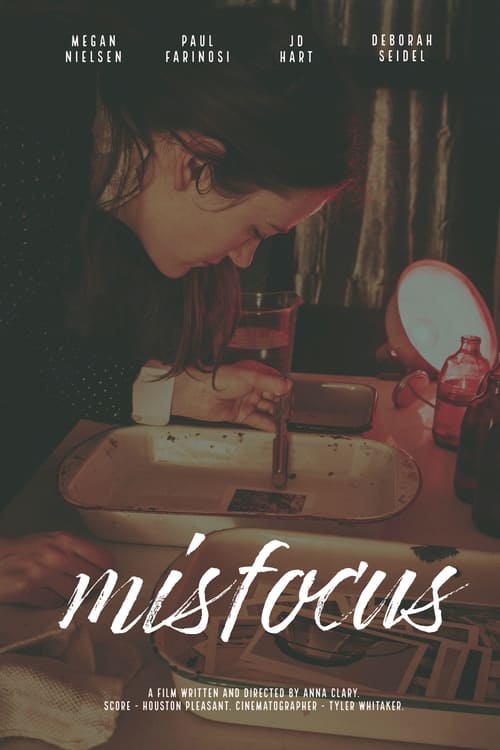
Set in the 1960s, a young photographer becomes obsessed photographing a grieving man - the man that holds the truth to her brother's murder. She pushes the man into a spiral, and when her obsession comes to a sour end, realizes the tragic mistake she has made.








Megan Nielsen
Megan Nielsen
Bianca Hartwell
Megan Nielsen
Bianca Hartwell
Paul Farinosi
Paul Farinosi
Germain Mayfell
Paul Farinosi
Germain Mayfell
J.D. Hart
J.D. Hart
Joel Hartwell
J.D. Hart
Joel Hartwell
Deborah Seidel
Deborah Seidel
Loraine Hartwell
Deborah Seidel
Loraine Hartwell

Zach Lazar Hoffman
Zach Lazar Hoffman
Lawyer (voice)
Zach Lazar Hoffman
Lawyer (voice)
Houston Pleasant
Houston Pleasant
Killer (voice)
Houston Pleasant
Killer (voice)
Similar Movies
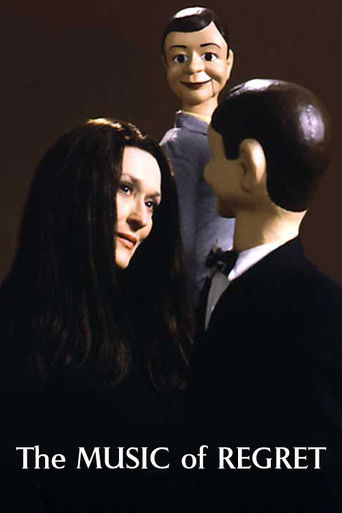
Simmons, best-known for her photographs of miniature rooms populated by dolls and of oversized objects—such as a house, birthday cake, and pistol—balanced on female legs, both human and fake, brings these characters to life in a three-act mini-musical. The film is inspired by three distinct periods of Simmons’s photographic work: vintage hand puppets, ventriloquist dummies and walking objects enact tales of ambition, disappointment, love, loss, and regret. Working with composer Michael Rohaytn ("Personal Velocity") and cameraman Ed Lachman ("The Virgin Suicides" and "Far From Heaven"), Simmons’s puppets come to life in miniature domestic scenes that echo real life.
Jack is the fastidious manager of a local supermarket. The harmless but disruptive actions of his customers frequently give him headaches, which he remedies by holding a can of frozen juice against his forehead. At home, however, Jack is consistently kind, loving, and patient with his wife and daughter. One day the child brings home a stray dog, and his life is turned upside down.
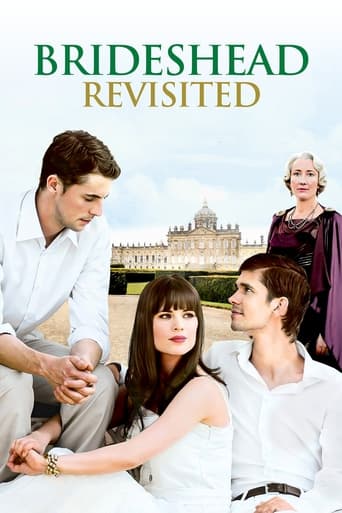
Befriended by aristocrat Sebastian Flyte, Oxford student Charles Ryder finds that the power and privilege experienced by the family is seductive. On a visit to the ancestral home, Brideshead, he falls in love with his friend's sister, Julia. However, as his ties to the Flytes deepen, Ryder finds himself at odds with their strong Roman Catholicism.
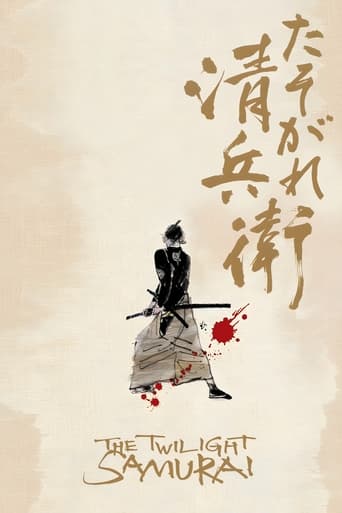
Seibei Iguchi leads a difficult life as a low ranking samurai at the turn of the nineteenth century. A widower with a meager income, Seibei struggles to take care of his two daughters and senile mother. New prospects seem to open up when the beautiful Tomoe, a childhood friend, comes back into he and his daughters' life, but as the Japanese feudal system unravels, Seibei is still bound by the code of honor of the samurai and by his own sense of social precedence. How can he find a way to do what is best for those he loves?
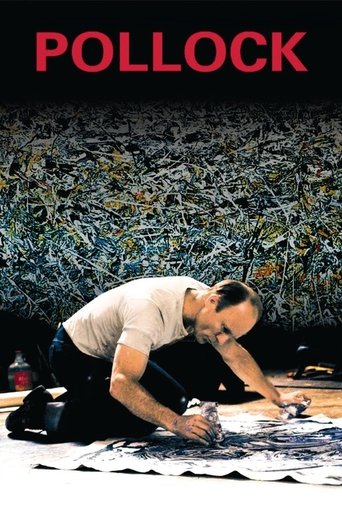
In August of 1949, Life Magazine ran a banner headline that begged the question: "Jackson Pollock: Is he the greatest living painter in the United States?" The film is a look back into the life of an extraordinary man, a man who has fittingly been called "an artist dedicated to concealment, a celebrity who nobody knew." As he struggled with self-doubt, engaging in a lonely tug-of-war between needing to express himself and wanting to shut the world out, Pollock began a downward spiral.

In 1979 Cuba, flamboyant gay artist Diego attempts to seduce straitlaced David, an idealistic young communist, and fails dismally. But David conspires to be "friends" with Diego so he can monitor the artist's subversive life for the state. As Diego and David discuss politics, individuality and personal expression in Castro's Cuba, a genuine friendship develops between the two.