


Photo Souvenir
Documentary
Overview
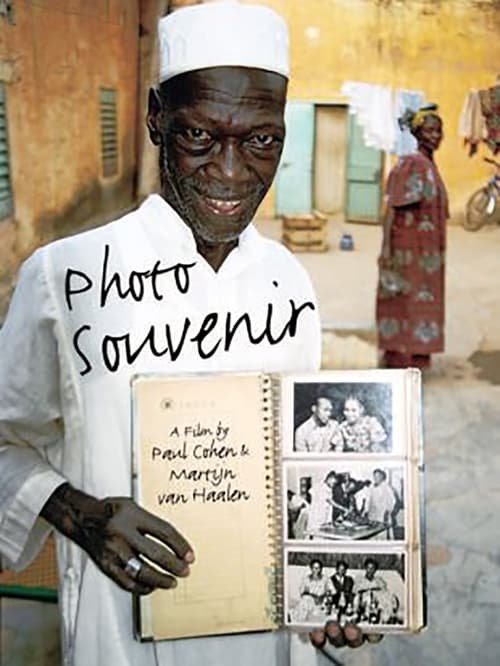
At a dusty crossroads in the desert city of Niamey, Niger, a crippled beggar is sitting in his wheelchair. He is Philippe Koudjina, who was once a successful photographer. In 1960s during the euphoria that followed independence, young people danced the twist and rock ‘n’ roll. Koudjina took snapshots and made a good living. Now, his negatives are decaying in a rusty cabinet. These snapshots now have artistic value. In Paris and New York, large sums are paid for photography like this. There is hope for Koudjina as two French connoisseurs are now trying to launch his work on the art circuit.







No cast information.
Similar Movies
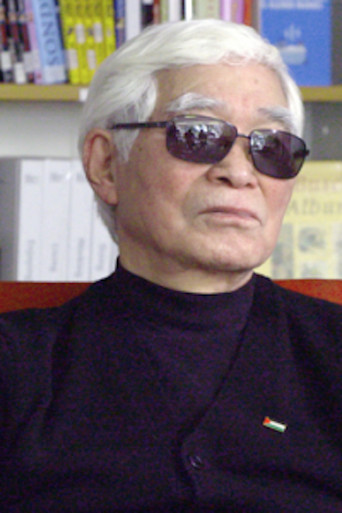
Masao Adachi, the author and director of experimental works and pinku-eiga in the 1960s, was a member of the Japanese New Left that shifted from being a filmmaker to a guerrilla fighter. In 1974, he joined the Japanese Red Army in Lebanon, which worked closely with the Popular Front for the Liberation of Palestine. Filmmaker Lutz Dammbeck met Adachi in Tokyo in 2018 and talked with him about a wide range of topics, including art, revolution, the influence of western avant-garde art and American underground; the Japanese Red Army; collaboration with secret services; the role of the Left after 1968; and the reasons for failures of leftist ideas and strategies.

In February 1974, Pam Sambo Zima, the oldest of the priests of possession in Niamey, Niger, died at the age of seventy-plus years. In his backyard, the followers from the possession cult symbolically break the dead priest's ritual vases and cry for the deceased while dividing up the clothes of the divinities.
"Africa Light" - as white local citizens call Namibia. The name suggests romance, the beauty of nature and promises a life without any problems in a country where the difference between rich and poor could hardly be greater. Namibia does not give that impression of it. If you look at its surface it seems like Africa in its most innocent and civilized form. It is a country that is so inviting to dream by its spectacular landscape, stunning scenery and fascinating wildlife. It has a very strong tourism structure and the government gets a lot of money with its magical attraction. But despite its grandiose splendor it is an endless gray zone as well. It oscillates between tradition and modernity, between the cattle in the country and the slums in the city. It shuttles from colonial times, land property reform to minimum wage for everyone. It fluctuates between socialism and cold calculated market economy.
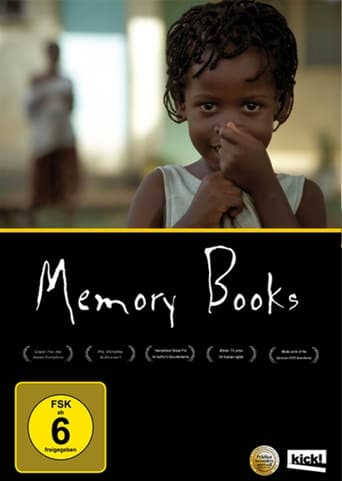
In Uganda, AIDS-infected mothers have begun writing what they call Memory Books for their children. Aware of the illness, it is a way for the family to come to terms with the inevitable death that it faces. Hopelessness and desperation are confronted through the collaborative effort of remembering and recording, a process that inspires unexpected strength and even solace in the face of death.