


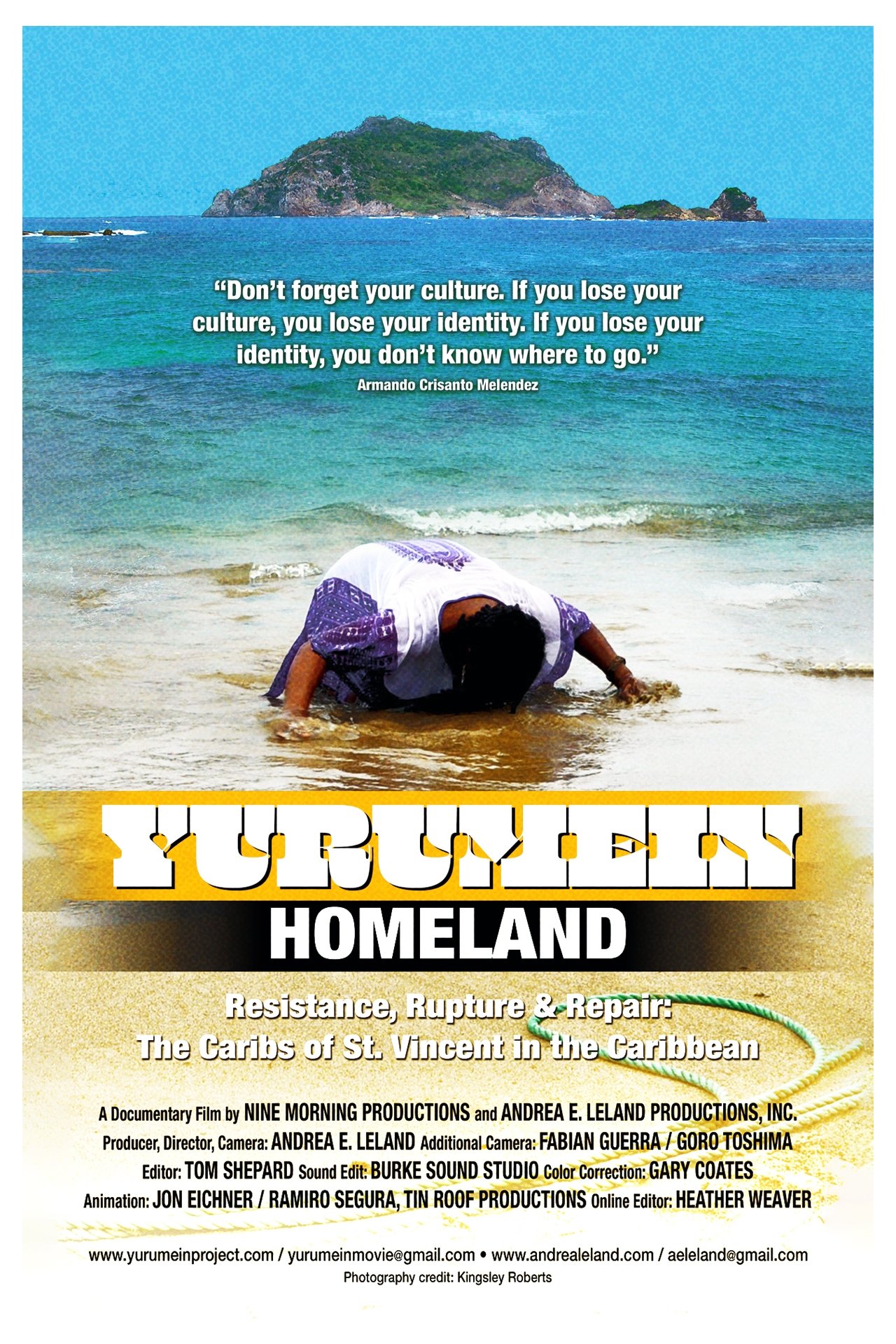
Yurumein: Homeland
Documentary
Overview
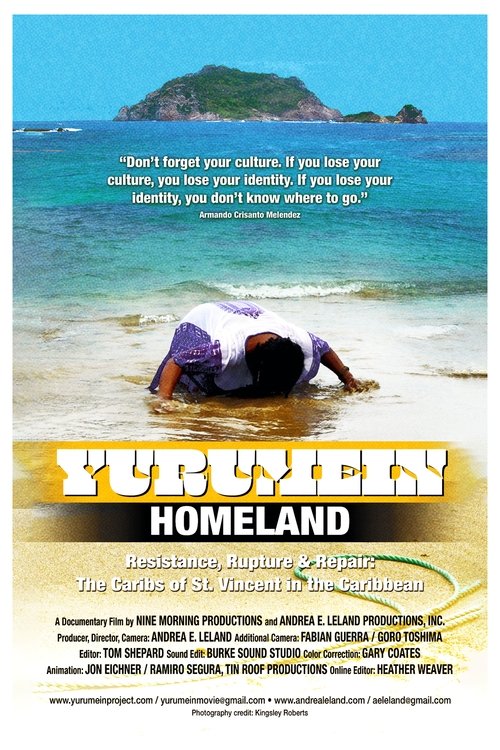
YURUMEIN (Homeland) is a documentary film which recounts the painful past of the Caribs on the island of St. Vincent in the Caribbean, their extermination at the hands of the British 200+ years ago, the decimation of their culture on the island, and their exile to Central America where much of that culture survived, even thrived. YURUMEIN (your -o- main) also explores what few cultural remnants of the Caribs, also known as Garifuna, still exist on St. Vincent and the beginnings of a movement to teach and revitalize Garifuna language, music and dance, and ritual to younger generations of Garifuna/ Caribs on St. Vincent.

No cast information.
Similar Movies

A Calling to Care is the inspiring story of 55 year-old Grace Stanley, a Canadian nurse who left her home and prestigious career behind to answer a calling halfway around the world in Karachi, Pakistan. Teaching nursing to local women in a strict Muslim culture that forbids them to even to touch men is a formidable task. However, Grace challenges her own values and belief systems to find common ground with her students, helping them to excel and feel respect for themselves in a culture that doesn't respect them. Whether it is getting her hands painted with henna, swimming fully-clothed in the ocean, or marching bravely with them on International Women's Day, Grace bonds with her students in a very special way, and ultimately discovers how the West can learn a lot more from the Third World than she ever thought.
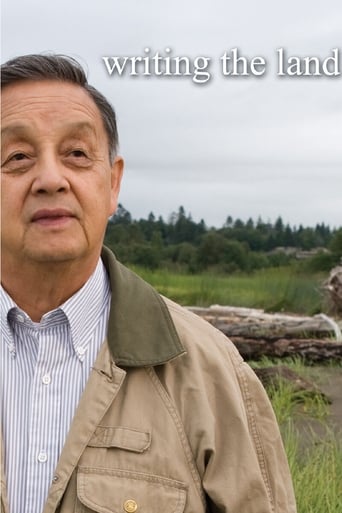
In this short documentary, a Musqueam elder rediscovers his Native language and traditions in the city of Vancouver, in the vicinity of which the Musqueam people have lived for thousands of years. Writing the Land captures the ever-changing nature of a modern city - the glass and steel towers cut against the sky, grass, trees and a sudden flash of birds in flight and the enduring power of language to shape perception and create memory.
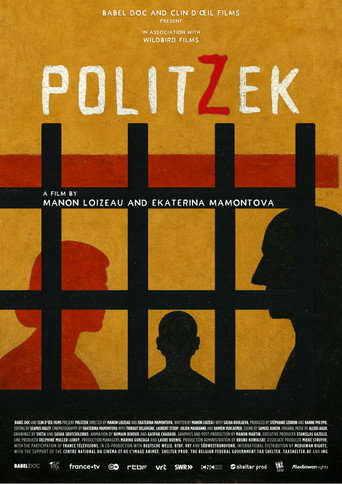
In Russia, criticizing the war in Ukraine or Vladimir Putin’s regime has become a crime. Thousands of ordinary citizens are being arrested, tried, and imprisoned. They are called “Politzek”: political prisoners. Filmed clandestinely over the course of more than a year, Politzek gives a platform to those who, despite the fear, continue to speak out against Putin’s repressive Russia. Through the intersecting stories of a teenager sentenced to five years in prison for criticizing the government on social media, a young artist jailed for placing anti-war stickers, a human rights activist, and two theater directors facing Kafkaesque trials, the film unveils the machinery of state repression in Russia. With rare footage, broken yet unyielding voices, this is a story of silenced resistance.
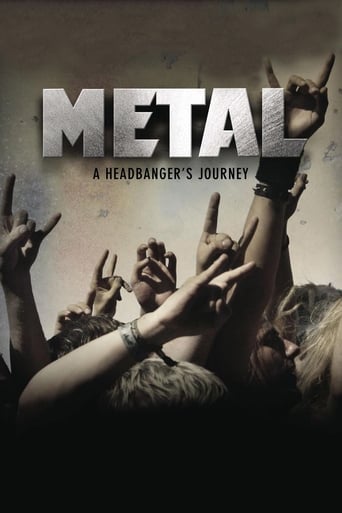
The film discusses the traits and originators of some of metal's many subgenres, including the New Wave of British Heavy Metal, power metal, Nu metal, glam metal, thrash metal, black metal, and death metal. Dunn uses a family-tree-type flowchart to document some of the most popular metal subgenres. The film also explores various aspects of heavy metal culture.
In the panorama of Kurdish music, Koma Berxwedan (Group Resistance) is one of the most interesting, innovative, experimental groups. To a deep love for music research the group has always associated a strong political commitment. Some of its members have joined the PKK guerrillas in the mountains of Kurdistan. Three of them died in combat. Some have been forced to live in exile and others continued to challenge the Turkish authorities by carrying out their work in Kurdistan.

An unprejudiced portrait of Spanish folklore and a crude analysis in black and white of its intimate relationship with atavism and superstition, with violence and pain, with blood and death; a story of terror, a journey to the most sinister and ancestral Spain; the one that lived far from the most visited tourist destinations, from the economic miracle and unstoppable progress, relentlessly promoted by the Franco regime during the sixties.
In the aftermath of a tragic fire in a Romanian club, burn victims begin dying in hospitals from wounds that were not life threatening. A team of investigative journalists move into action uncovering the mass corruption of the health system and of the state institutions. Collective follows journalists, whistle blowers, and authorities alike. An immersive and uncompromising look into a dysfunctional system, exposing corruption, propaganda, and manipulation that nowadays affect not only Romania, but societies around the world.
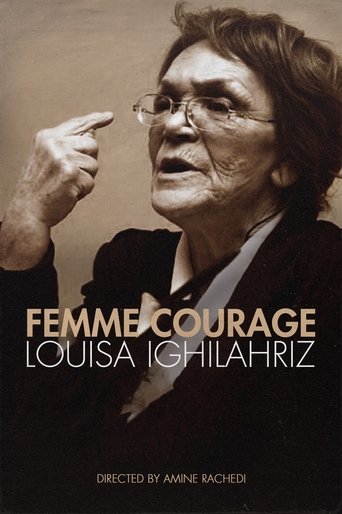
The autobiographical account of the tormented life of a witness of the century: Louisa Ighilahriz, activist and leading figure in Algerian independence. A student, she joined the independence struggle at the age of 20, joining the ranks of the FLN on the eve of the Battle of Algiers in late 1956 under the name Lila. She took part in the high school students' strike, then fled into the maquis when she was actively sought after. She was part of the French FLN support network of "suitcase carriers" during the Battle of Algiers. Seriously wounded alongside her network leader, Saïd Bakel, during an ambush in 1957, hospitalized and then imprisoned, she suffered numerous tortures in French prisons. She will be saved from certain death by an anonymous person, she will seek, for forty years, to find him just to show him her gratitude... Emblematic of the painful Franco-Algerian history, Louisa's story is poignant and imbued with humanism.