

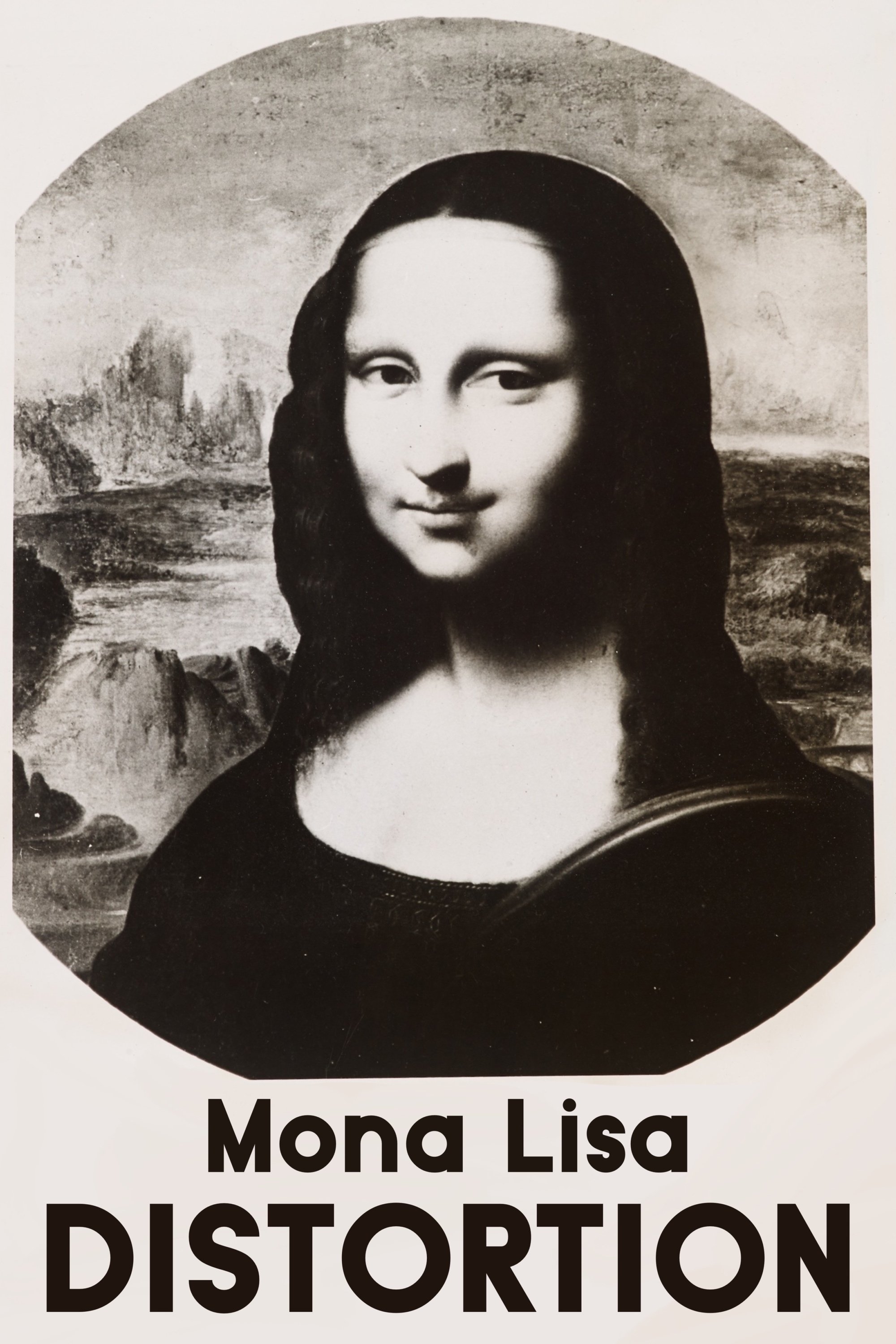
Animation Mona Lisa, Etc.
Overview
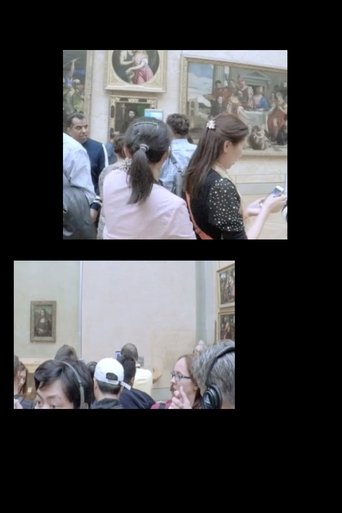
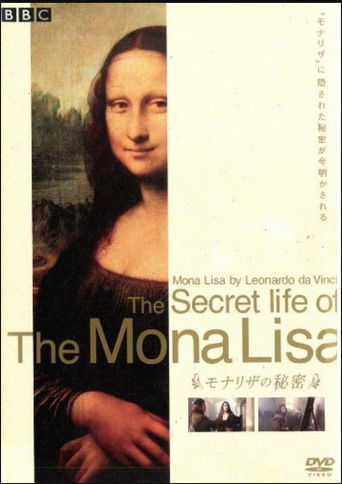
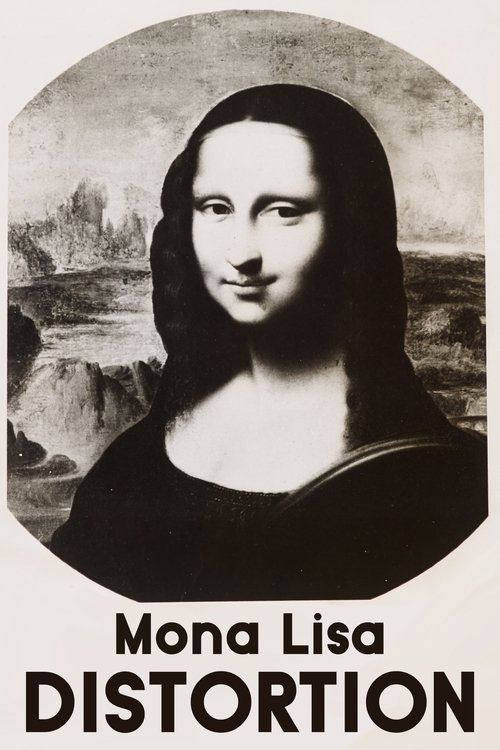
In a battery of photographs created with the use of mirrors, distorting lenses of his own manufacture and easel tricks, Weegee transformed the Mona Lisa into a work of modern art.



No cast information.
Similar Movies
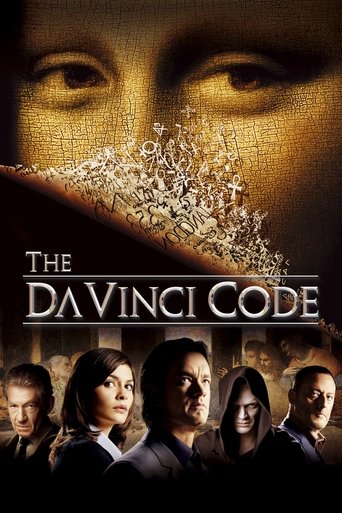
A murder in Paris’ Louvre Museum and cryptic clues in some of Leonardo da Vinci’s most famous paintings lead to the discovery of a religious mystery. For 2,000 years a secret society closely guards information that — should it come to light — could rock the very foundations of Christianity.
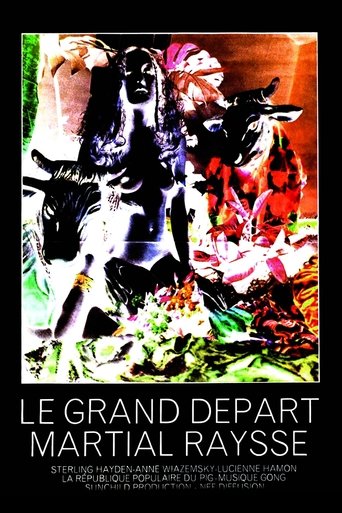
This is the only feature directed by the famed French painter and sculptor Martial Raysse. In keeping with the revolutionary spirit of the time, the movie has no plot to speak of and appears to have been largely made up on the spot. We follow the cat man into a bizarre fantasy universe presented in negative exposure that reverses color values (black is white and vice versa) and written words. The cat man steals a car and then picks up a young girl he promises to take to “Heaven.” Heaven turns out to be a country chateau inhabited by several more animal mask wearing weirdoes...
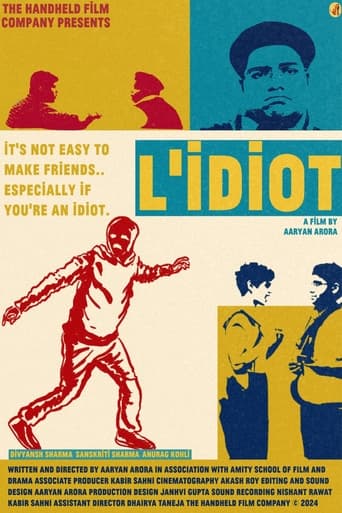
L'Idiot follows Rajat "Rinku" Chaddha, an awkward, daydreaming young man obsessed with French culture, as he attempts to win over Mona, a charismatic girl in his French class. With the help of a local thief, Rinku devises a plan to become Mona's hero, but things take an unexpected turn, forcing him to confront his fantasies and reality.
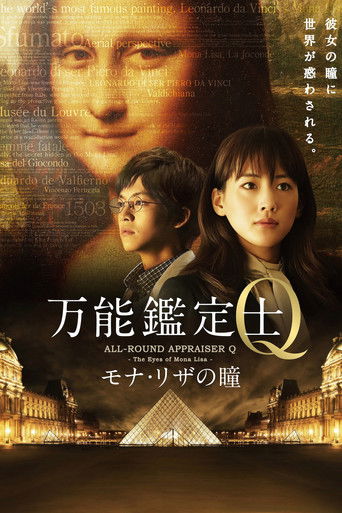
In this adaptation of the popular eponymous mystery novel by Keisuke Matsuoka, Paris provides the gorgeous backdrop for a grand intrigue involving the world’s most iconic artistic treasure: the Mona Lisa. Minds will be blown, puzzles will be solved, but will a 500-year-old curse be removed?
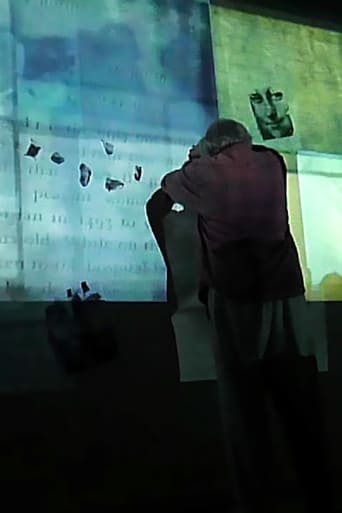
"This installation or performance work puts my own earlier film of the Mona Lisa (1973) through another stage of transformation – my own irretrievable self of some 34 years ago is now also part of the subject I first saw the ‘actual’ ‘Mona Lisa’ when I was about thirteen. Of course I had seen dozens of reproductions in books and postcards by then and the popular mythology of the enigmatic smile was already well engrained in my mind. My strongest impression, as I recall, was how small and unsurprising it was – a heavily protected cultural icon – no longer really a picture – and I was much more excited by the painting of the distant landscape than by the face. My own ‘version’ of ‘la Giaconda’ was never an homage, nor like Marcel Duchamp’s ‘L.H.O.O.Q’, an attack on its cultural power. Instead it came from a fascination with change and transformation – maybe also with arbitrary appropriation." Malcolm Le Grice