


TEL-CLUB
Drama · Documentary
Overview
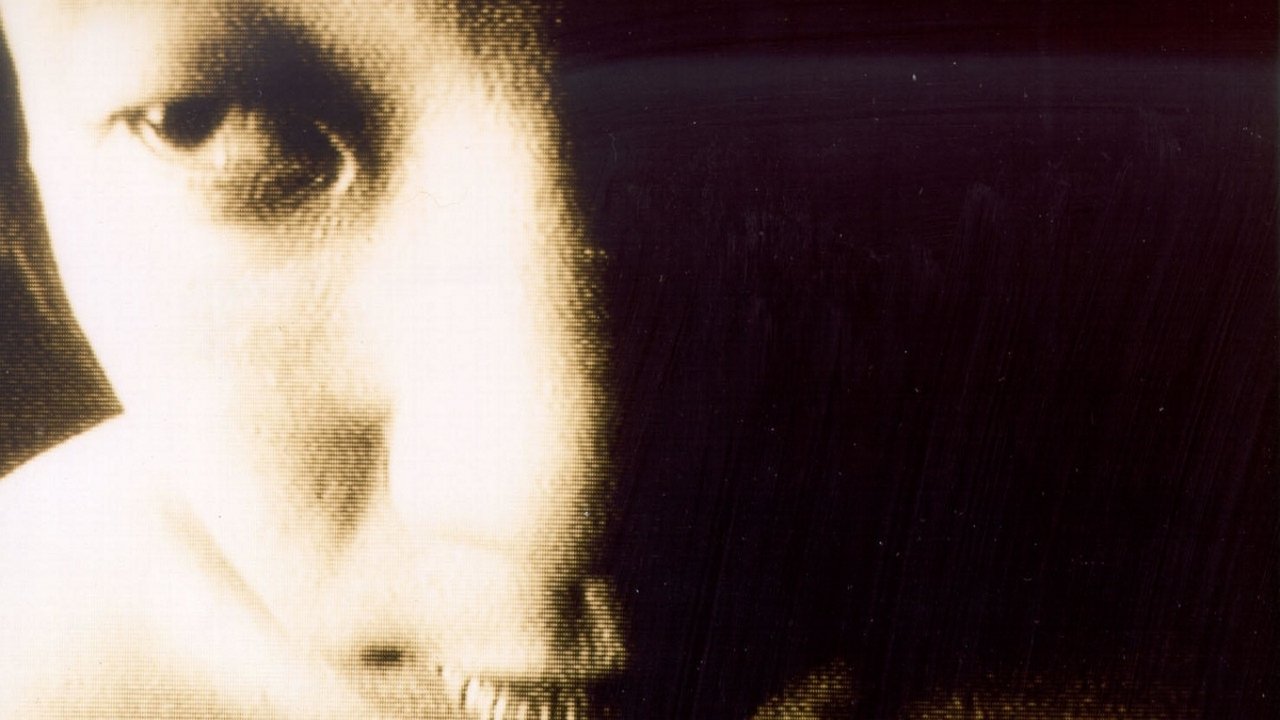
In the summer of 1998, the filmmaker went home to Takasaki to film the birth of his brother and sister-in-law's child. Days go by and the child is still to be born. With time on his hands and no one to talk to, the filmmaker finds the phone number for a telephone date club, and calls up with an earnest de- sire: I'd like to talk to a girl. While following the conventions of film-diary form, at some point the filmmaker falls into a times pace tunnel of false memory.









Kenji Murakami
Kenji Murakami
Kenji Murakami

Yukiyasu Shimada
Yukiyasu Shimada
Yukiyasu Shimada
Rie Uematsu
Rie Uematsu
Rie Uematsu
Shinobu Kuribayashi
Shinobu Kuribayashi
Shinobu Kuribayashi
Similar Movies
Only three days before their high school festival, guitarist Kei, drummer Kyoko, and bassist Nozomi are forced to recruit a new lead vocalist for their band. They choose Korean exchange student Son, though her comprehension of Japanese is a bit rough! It's a race against time as the group struggles to learn three songs for the festival's rock concert—including a classic '80s song by the Japanese punk rock band The Blue Hearts called "Linda Linda".
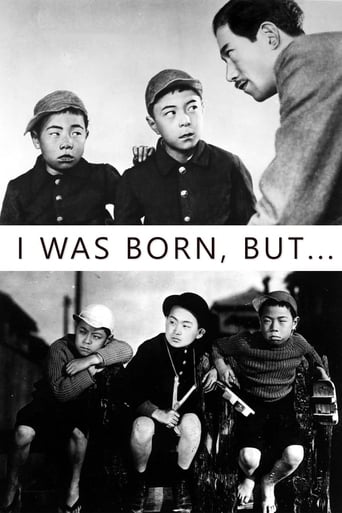
Brothers Keiji and Ryoichi move to a new neighborhood in the Tokyo suburbs after their father, an office clerk, is promoted. The boys join the local gang as lowly new kids and emerge as natural leaders after defeating a bully. While visiting the home of their father's boss, the brothers witness the ridicule their father endures to please his superior. Angry and embarrassed, the boys find their naive ideas about power being challenged.
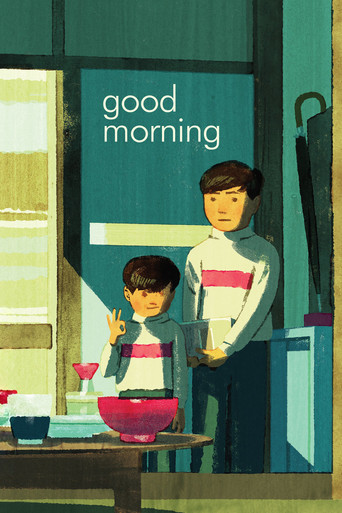
A lighthearted take on director Yasujiro Ozu’s perennial theme of the challenges of intergenerational relationships, Good Morning tells the story of two young boys who stop speaking in protest after their parents refuse to buy a television set. Ozu weaves a wealth of subtle gags through a family portrait as rich as those of his dramatic films, mocking the foibles of the adult world through the eyes of his child protagonists. Shot in stunning color and set in a suburb of Tokyo where housewives gossip about the neighbors’ new washing machine and unemployed husbands look for work as door-to-door salesmen, this charming comedy refashions Ozu’s own silent classic I Was Born, But . . . to gently satirize consumerism in postwar Japan.