

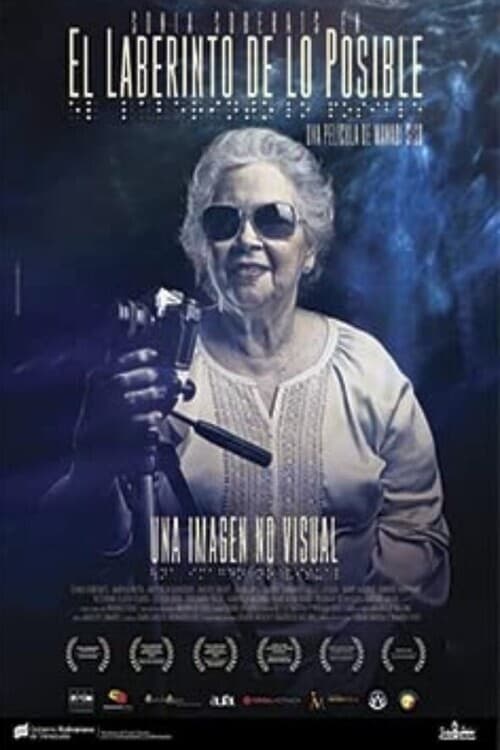
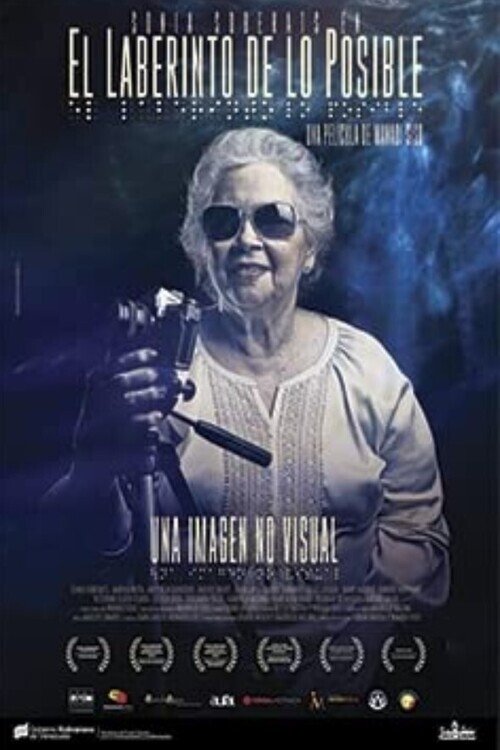
El laberinto de lo posible
Documentary
Overview
At sixty-six years old, Venezuelan Sonia Soberats lives alone in a modest New York apartment. A trauma in the past –the death of her two children– left her completely blind, and today she dedicates herself to blind photography, a particular discipline that finds new expressive forms by exploring and experimenting with what is conventionally taken for a disadvantage. A creative process that reflects different life experiences, returning in 35mm mental images informed by touch, smell and hearing, which encapsulate another way of being in a world saturated with images. A member of the Seeing With Photography collective, Sonia is dedicated to seeing beyond sight, and teaching others to do so. This is the remarkable story of his life and work


No cast information.
Similar Movies
After school, high school student Sanghyun heads to his blind friend Jeongwoo’s house. When Sanghyun arrives, Jeongwoo asks him what scene from the movie is showing on TV. Sanghyun nonchalantly responds, “They are just standing.” The world that is natural for Sanghyun is no longer natural for visually impaired Jeongwoo. Sanghyun starts making notes for Jeongwoo who says his past is like a dream. On the last page, one can finally understand the two human beings.
When a visually-impaired girl begins to lose her sight during a much-longed-for family holiday by the sea, she is torn between proving nothing is wrong and the difficulty of being believed. The film is informed by co-writer and associate director Georgie Morrell's take on her own experience with a rare form of childhood glaucoma and retinal detachment.
Narrated by Ethan Hawke, Welcome Nowhere tells the true story of a community of Roma people (commonly known as Gypsies) who live in old train boxcars in Sofia, Bulgaria after being forcibly evicted from their homes. Without bathrooms for more than 200 people, they struggle to survive, waiting for help from the government that never seems to come.
In 1967 Canadian filmmaker Hugh O'Connor came with a crew to eastern Kentucky to make a film showing people from all walks of life in the United States. They finished the day by filming coal miners and their families in rental houses. As the filmmakers were leaving, Hobart Ison, the owner of the property, drove up and fired three shots, killing Hugh O'Connor. Elizabeth Barrett, from Kentucky herself, explores why this happened by trying to understand the people and culture of eastern Kentucky.
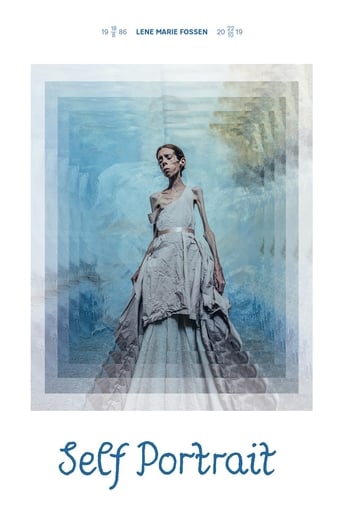
The documentary is a portrait of an artist and a portrait of a deadly disease. Lene Marie Fossen was a gifted photographer who suffered from severe anorexia. Self Portrait is a film about the power of art and survival, but it also raises important questions about what treatment one who suffers from severe anorexia needs.