

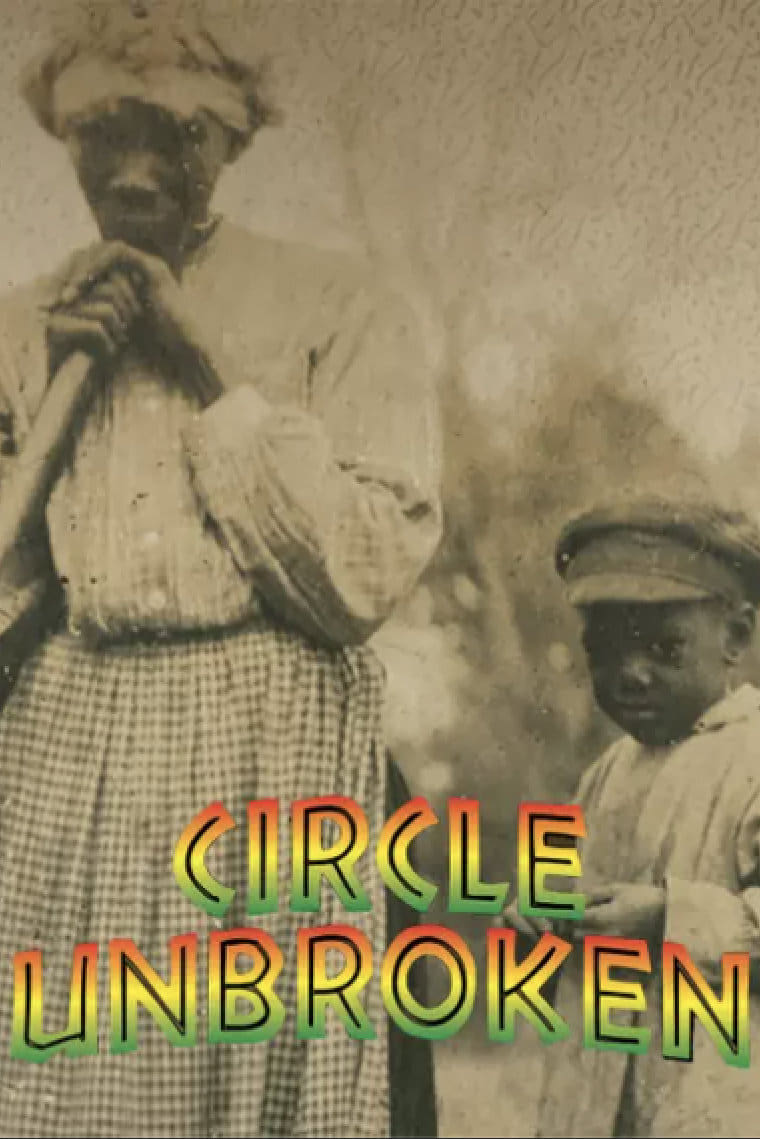
Circle Unbroken: A Gullah Journey from Africa to America
Documentary · Music
Overview
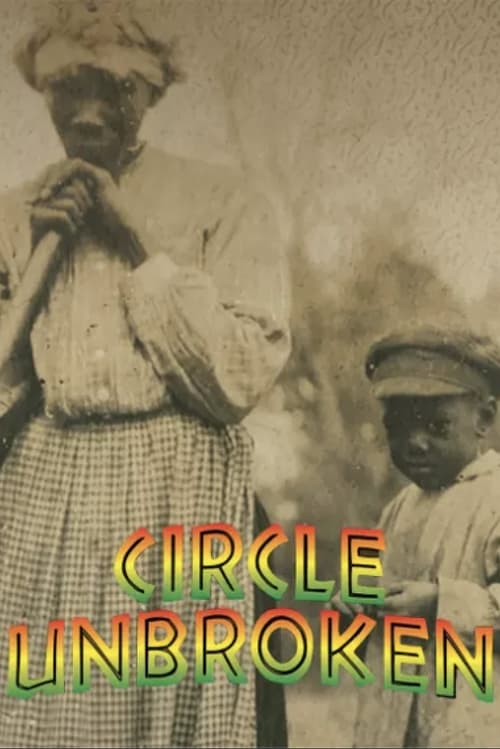
75% of all enslaved Africans coming to America came in through Beaufort and the sea islands of South Carolina. This beautiful and picturesque tourist destination, by its unique history is the epicenter of the Gullah culture and the foundation of African American history; the result of the mingling of West African slaves with the plantation culture awaiting them in America.
Top Cast


Anita Singleton-Prather
Anita Singleton-Prather
Narrator
Anita Singleton-Prather
Narrator
Margaret Lavigne
Margaret Lavigne
Plantation Owner's Daughter
Margaret Lavigne
Plantation Owner's Daughter
Similar Movies
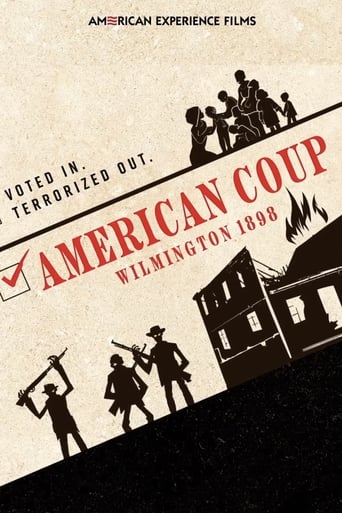
The little-known story of a deadly race massacre and carefully orchestrated insurrection in North Carolina’s largest city in 1898 — the only coup d’état in the history of the US. Stoking fears of 'Negro Rule', self-described white supremacists used intimidation and violence to destroy Black political and economic power and overthrow Wilmington’s democratically-elected, multi-racial government. Black residents were murdered and thousands were banished. The story of what happened in Wilmington was suppressed for decades until descendants and scholars began to investigate. Today, many of those descendants — Black and white — seek the truth about this intentionally buried history.
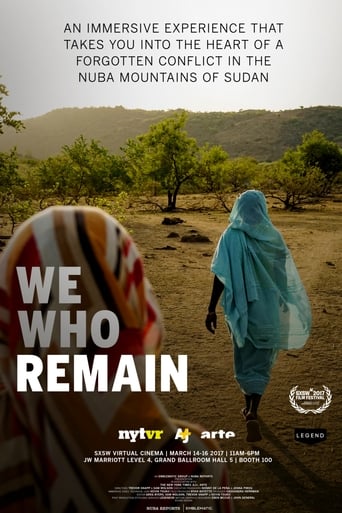
Sudan, Southern Kordofan, the Nuba Mountains in Africa. Scenes from the forgotten war that the fighters of the Nuba people have held since 2011 against the government of President Omar al-Bashir and the Sudanese army, which crudely show the hard daily life of Hannan, a brave woman fighting for the survival of her family; Jordania, a promising student; Mosquito, a reckless journalist; and Al-Bagir, a rebel leader.
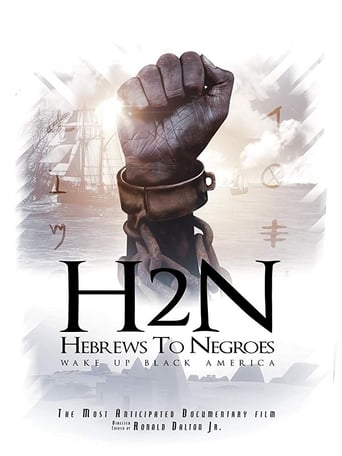
The Movie "Hebrews to Negroes: Wake Up Black America" uncovers the true identity of the Children of Israel by proving the true ethnicity of Abraham, Ishmael, Isaac, Jacob, the Sons of Ham, Shem & Japheth. Find out what Islam, Judaism and Christianity has covered up for centuries in regards to the true biblical identity of the so-called "Negro" in this movie packed with tons of research.

This documentary captures the sounds and images of a nearly forgotten era in film history when African American filmmakers and studios created “race movies” exclusively for black audiences. The best of these films attempted to counter the demeaning stereotypes of black Americans prevalent in the popular culture of the day. About 500 films were produced, yet only about 100 still exist. Filmmaking pioneers like Oscar Micheaux, the Noble brothers, and Spencer Williams, Jr. left a lasting influence on black filmmakers, and inspired generations of audiences who finally saw their own lives reflected on the silver screen.
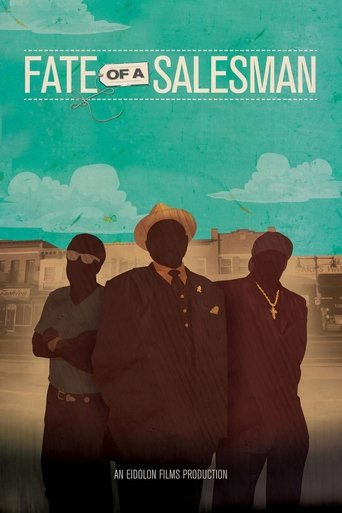
Fate of a Salesman is an intimate portrait of a way of life on the verge of disappearing. In its 60th year of business, Men's Fashion Center in Washington, DC has come to represent identity, legacy and redemption for salesmen Willie and Steve and owner Jerry. But business has crawled to a halt in the face of a tough economy and changing neighborhood, pushing the store to the verge of closure. Set amidst racks of pin-striped suits and feathered hats- the clothing of a bygone era- the men struggle to redefine themselves as the place with which they have long identified begins to vanish.

The film tells the story of 25-year-old Urmila Chaudary from Nepal. At the age of six she was sold by her family and was forced to work as a slave under appalling conditions for 12 years. Her dream is to end child slavery in Nepal. To this end she fights today as a freedom activist. A film about the quest for justice with a strength that gives courage and hope.
African American filmmaker David A. Wilson decided to look into his family's history during the slave era. The result is this documentary, which provides a unique perspective on the long shadow cast by slavery in America. Wilson travels to North Carolina to visit the plantation where his ancestors once toiled and to meet its current owner -- a white man named David Wilson, whose slave-owning ancestors originally occupied the property.