

Riveted: The History of Jeans
Documentary
Overview
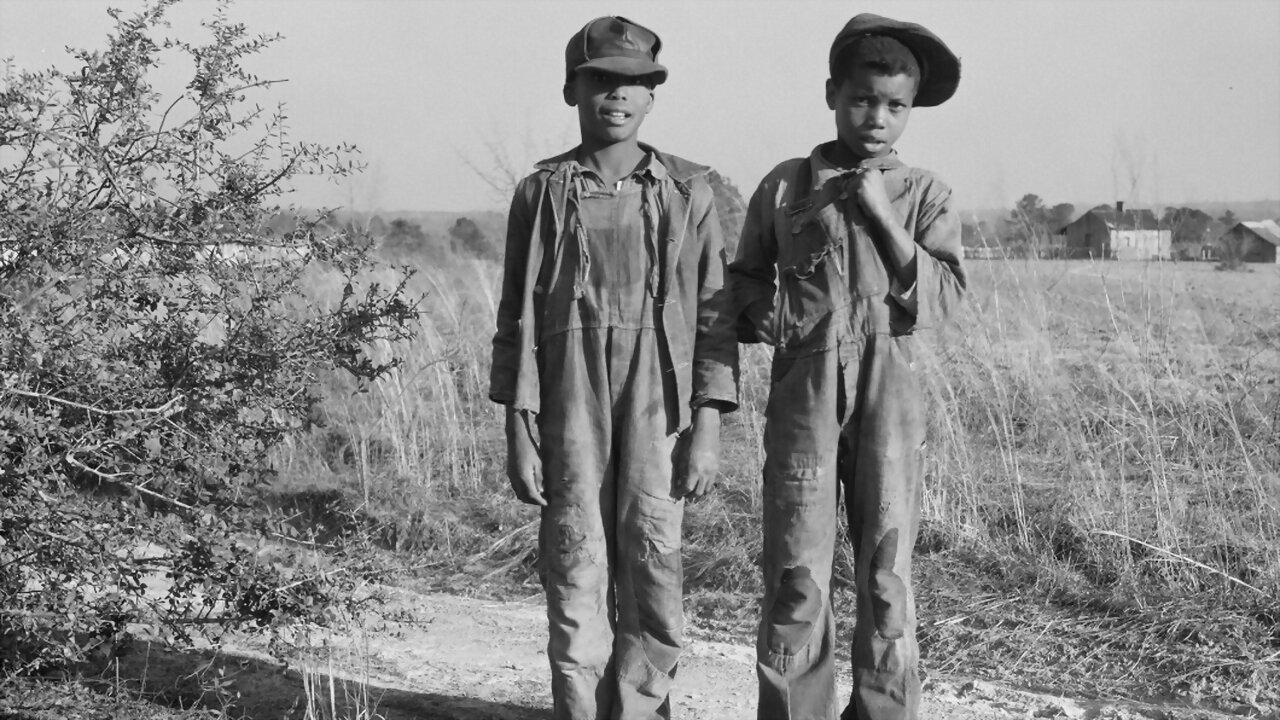
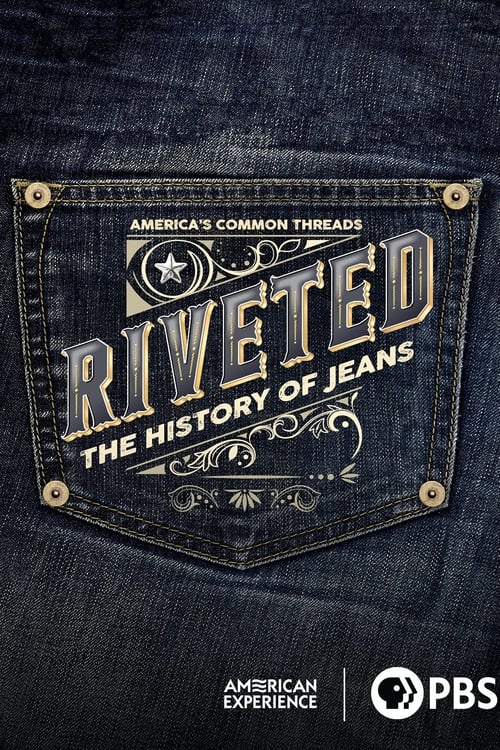
Riveted: The History of Jeans reveals the fascinating and surprising story of this iconic American garment. At any given moment, half the people on the planet are wearing them. They have become a staple of clothing the world over, worn by everyone from presidents and supermodels to farmers and artists. More than just an item of apparel, America’s tangled past is woven into the indigo blue fabric. From its roots in slavery to its connection to the Wild West, youth culture, the civil rights movement, rock and roll, hippies, high fashion and hip-hop, jeans are the canvas on which the history of American ideology and politics is writ large.





No cast information.
Similar Movies

Revolutionary fragrances, Haute Couture and spectacular shows: in the world of luxury, Thierry Mugler broke every code. Enter into the backstage of the House: from treasured archives to new creations, from the conception of a new fragrance to designing a ready-to-wear collection with Casey Cadwallader, Mugler Fashion Creative Director, to a frenetic catwalk.
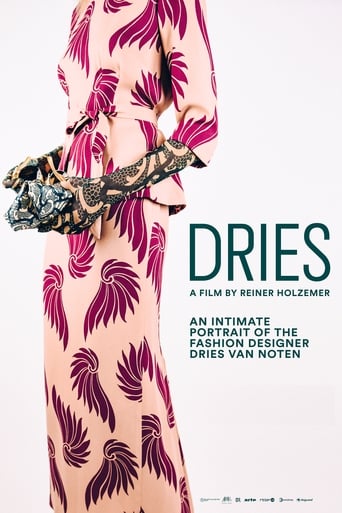
For the first time fashion designer Dries Van Noten allows a filmmaker to accompany him in his creative process and rich home life. For an entire year Reiner Holzemer documents the precise steps that Dries takes to conceive of four collections, the rich fabrics, embroidery and prints exclusive to his designs. As well as the emblematic fashion shows that bring his collections to the world and have become cult “must sees” at Paris Fashion Week. This film offers an insight into the life, mind and creative heart of a master fashion designer who, for more than 25 years, has remained independent in a landscape of fashion consolidation and globalization.
This film undertakes a journey into the amazing parallel universe of East Berlin’s fashion designers and experts in the art of survival. For, in the midst of the constraints of life in the GDR, there existed a fantasy world where it was possible to dance to another tune, be individual and even provocative. The most important characteristic of this bohemian scene was one’s per- sonal style. But this certainly wasn’t something that could be bought off the peg in the GDR. In this parallel universe it was up to you to create your own individual image – with your own hands. This film tells the story of the desires, the passion and the dreams that were tried and tested, lived and performed in the shadow of the Berlin Wall.
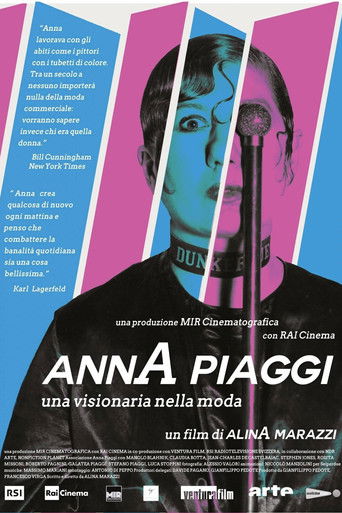
The world of fashion, between the end of the Sixties and the beginning of the Noughties, had a key character that embodied its spirit and told the tale: journalist Anna Piaggi, living witness of that contamination between art, society and culture that changed fashion and sanctioned its success on a global scale. The daughter of a manager for La Rinascente (Milan's iconic high-end shopping mall whose foundation goes back to 1865), Karl Lagerfeld's muse, "a poet with her clothes" in the words of Bill Cunningham, her life is retraced through interviews with designers (Jean-Charles de Castelbajac, Stephen Jones, Manolo Blahnik, and more) together with archival images from four decades of fashion history.
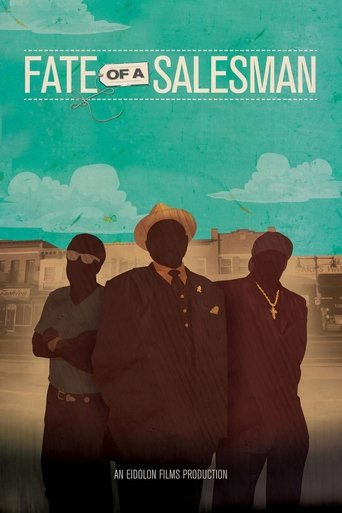
Fate of a Salesman is an intimate portrait of a way of life on the verge of disappearing. In its 60th year of business, Men's Fashion Center in Washington, DC has come to represent identity, legacy and redemption for salesmen Willie and Steve and owner Jerry. But business has crawled to a halt in the face of a tough economy and changing neighborhood, pushing the store to the verge of closure. Set amidst racks of pin-striped suits and feathered hats- the clothing of a bygone era- the men struggle to redefine themselves as the place with which they have long identified begins to vanish.

This short focuses on the job of the costume designer in the production of motion pictures. The costume designer must design clothing that is correct for the film historically and geographically, and must be appropriate for the mood of the individual scene. We see famed costume designer Edith Head at work on a production. The Costume Designer was part of The Industry Film Project, a twelve-part series produced by the film studios and the Academy. Each series episode was produced to inform the public on a specific facet of the motion picture industry. Preserved by the Academy Film Archive in 2012.

Today, few people's clothes attract as much attention as the royal family, but this is not a modern-day paparazzi-inspired obsession. Historian Dr. Lucy Worsley, Chief Curator at Historic Royal Palaces, reveals that it has always been this way. Exploring the royal wardrobes of our kings and queens over the last four hundred years, Lucy shows this isn't just a public fascination, but an important and powerful message from the monarchs. From Elizabeth I to the present Queen Elizabeth II, Lucy explains how the royal wardrobe's significance goes far beyond the cut and color of the clothing. Royal fashion is, and has always been, regarded as a very personal statement to reflect their power over the reign. Most kings and queens have carefully choreographed every aspect of their wardrobe; for those who have not, there have sometimes been calamitous consequences. As much today as in the past, royal fashion is as much about politics as it is about elegant attire.