



The Best Of Teo
Overview
The Best of Teo DVD features highlights of straight dude Teo pushing his limits for ChaosMen over the years. Unlike many of the straight guys that come to work for ChaosMen, Teo jumped in - eyes wide open, dick hard and eager to please the audience. Watch as he grows from nervous first-timer that only wants to top, to a totally versatile player who actually gets-off to being fucked. No one shoots a load so well-timed with his partner, and has consistently been ChaosFan's most favorite. Watch as Teo becomes a totally versatile porn star in over two-hours of footage, going from condom to bareback.










Clay
Clay
(archive footage)
Clay
(archive footage)

Dalton
Dalton
(archive footage)
Dalton
(archive footage)

Dyson
Dyson
(archive footage)
Dyson
(archive footage)

Gavin Walters
Gavin Walters
(archive footage)
Gavin Walters
(archive footage)

Jayce
Jayce
(archive footage)
Jayce
(archive footage)

Maverick
Maverick
(archive footage)
Maverick
(archive footage)

Silas
Silas
(archive footage)
Silas
(archive footage)

Stash
Stash
(archive footage)
Stash
(archive footage)

Teo
Teo
(archive footage)
Teo
(archive footage)
Similar Movies
A collection of well-known Christmas scenes from a number of classic screen versions of Astrid Lindgren's beloved children's books. "Astrid Lindgren's Christmas" includes scenes from "Pippi Longstocking", "Ronia the Robber's Daughter", "Brenda Brave" ("Kajsa Kavat"), "Lotta on Troublemaker Street", "Emil of Lönneberga" and more.
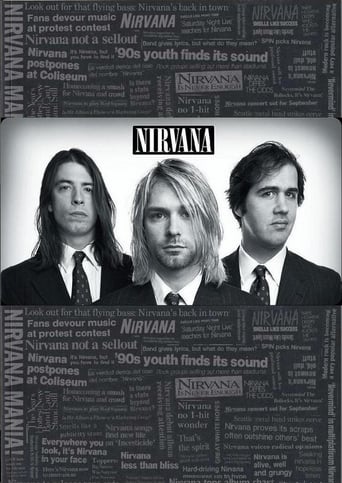
Highlighted on the With The Lights Out DVD is a previously unreleased video of nine songs performed in 1988 at bassist Krist Novoselic's mother's house in Aberdeen, Washington; the rare "In Bloom" Sub Pop music video, and 10 never-before-seen live performances. Noteworthy among them are debut renditions of "Pennyroyal Tea", "Smells Like Teen Spirit" both from early 1991. Also premiering is an unlikely performance of Jacques Brel and Rod McKuen's "Seasons In The Sun" shot at a Rio de Janeiro studio.
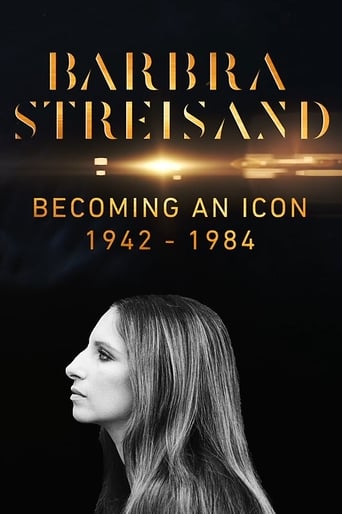
Barbra Streisand grew up in working class Brooklyn, dreaming of escape from her tough childhood. A stellar student, she resisted the pressure to go to college as her sights were firmly set on Broadway. She was determined to become an actress and landed her first role aged 16, but it was two years later, when she started to sing, that her career took off. Subverting stereotypes and breaking glass ceilings, this programme looks at her rise to stardom and the remarkable achievements of her early career.
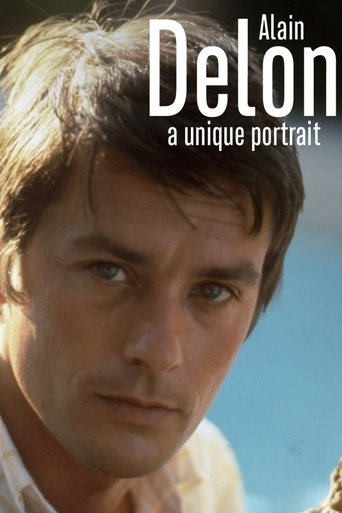
Biography of a star and figure study : This fascinating portrait is for anyone who wants to know more about the man behind the mask. By the end of the film, you will view this famous French icon in a totally different light. Delon speaks in a series of surprising interviews, spanning nearly 50 years.
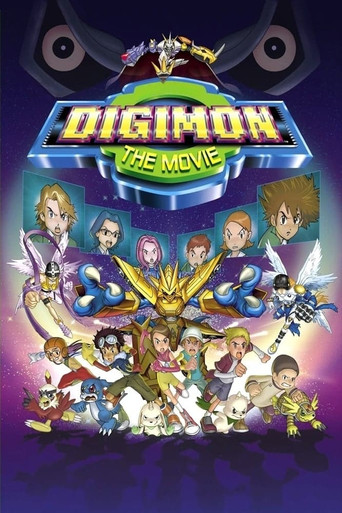
When a powerful new Internet Digimon hatches and begins to consume data at an alarming rate, the Digidestined - kids chosen to save the digital world - must put an end to the destruction before the damage becomes irreversible and worldwide communication halts forever. As computer-based missiles are launched, and a wayward Digimon kidnaps the Digidestined, only the combined efforts of a worldwide network of kids and a new group of "Digidestined" can rescue the others and stop global disaster.
A collection of Warner Brothers short cartoon features, "starring" the likes of Daffy Duck, Porky Pig and Wile.E.Coyote. These animations are interspersed by Bugs Bunny reminiscing on past events and providing links between the individual animations which are otherwise unconnected. This 1979 feature-length compilation includes several of his best cartoons. Among the 11 shorts shown in their entirety are the classics "Robin Hood Daffy," "What's Opera, Doc?," "Bully for Bugs," and "Duck Amuck". The Bugs Bunny Road Runner Movie provides a showcase not only for Jones's razor-sharp timing, but for the work of his exceptional crew, which included designer Maurice Noble, writer Mike Maltese, composers Carl Stalling and Milt Franklyn, and voice actor Mel Blanc.
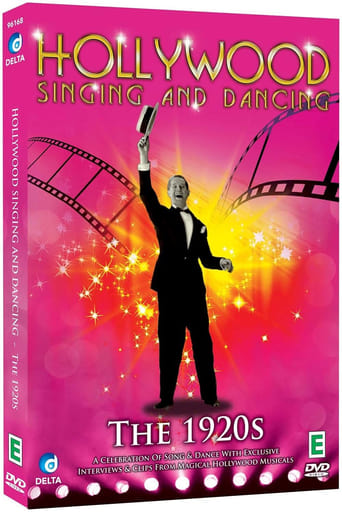
The 1920s was a time of great change in Hollywood. This program tells the story of the advent of sound technology for movies and the emergence of talkies and musicals in Hollywood. While audiences cried out for more, the movie industry struggled to adapt to the strange new technology. The result was an explosion of movie musicals by the end of the decade.