

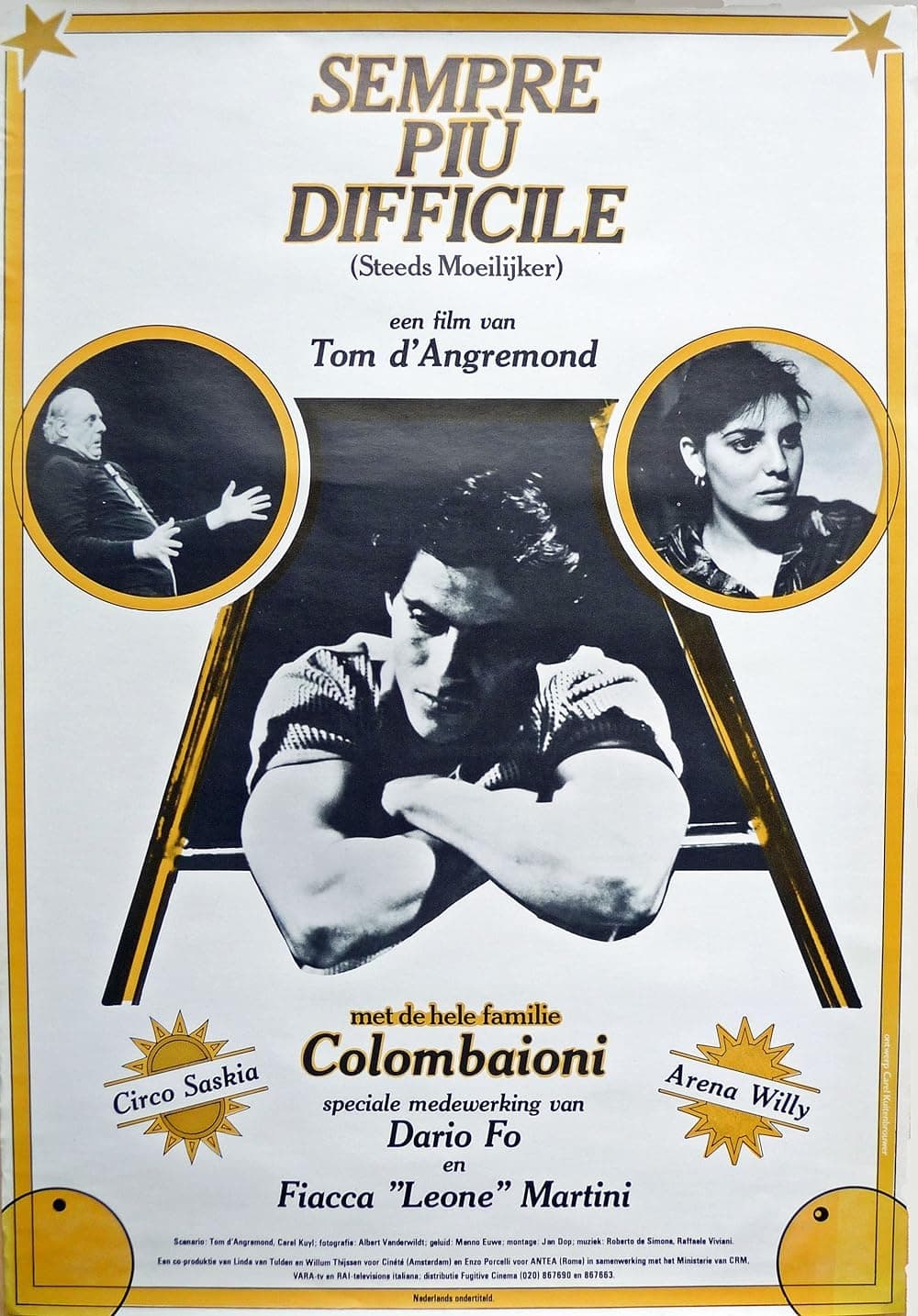
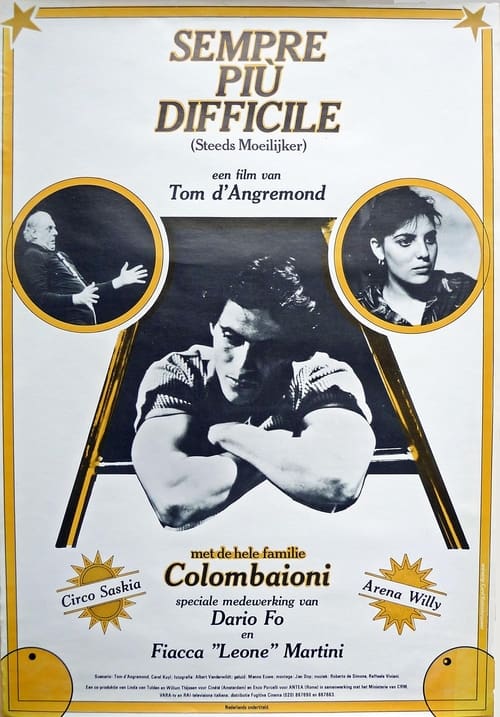
Sempre più difficile
Documentary
Overview
This documentary is about the Italian small family circus, based on the old street theatre of the Commedia dell'Arte. Since World War II, they have diminished in number and today hardly exist anymore. They simply can't compete with modern times entertainment, symbolized by television. The film portrays and follows the Colombaioni family, six brothers and two sisters, their children and grand children. Most of them work in their own small circus(father, mother, children). Two of the brothers, Carlo and Alberto left the circus and now have a theatre show, based on their improvisation skills that they learned in the circus. The family is known by their collaboration with Frederico Fellini and Dario Fo. They appeared in many a Fellini movie -o.a. La Strada, Le Notti di Cabiria and I Clown.

Alberto Colombaioni
Alberto Colombaioni
Alberto
Alberto Colombaioni
Alberto
Carlo Colombaioni
Carlo Colombaioni
Carlo
Carlo Colombaioni
Carlo
Nani Colombaioni
Nani Colombaioni
Circo Saskia
Nani Colombaioni
Circo Saskia
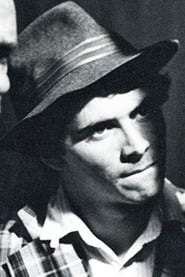
Valerio Colombaioni
Valerio Colombaioni
Ercolino
Valerio Colombaioni
Ercolino
Willy Colombaioni
Willy Colombaioni
Circo Willy
Willy Colombaioni
Circo Willy
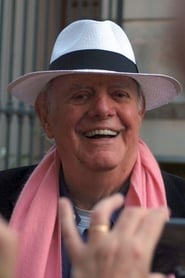
Dario Fo
Dario Fo
self
Dario Fo
self
Fiacca 'Leone' Martini
Fiacca 'Leone' Martini
Fiacca
Fiacca 'Leone' Martini
Fiacca
Similar Movies

The feature-length documentary Fakir portrays the success of fakirism in Brazil, Latin America and France. This circus art origin show is presented and analyzed through archives that reveals the success of these presentations with their pain resistance championships and the great public presence, including politicians and government officials. Fakir spans current footage from contemporary artists who keep this art alive in performances and shows.
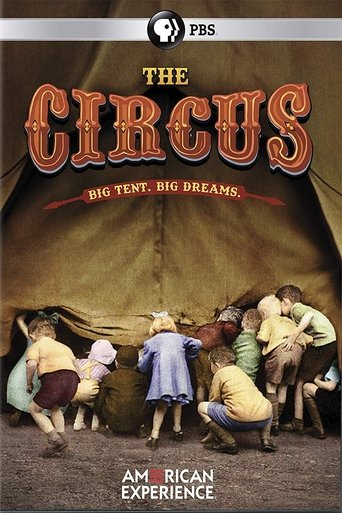
Drawing upon a vast and richly visual archive and featuring a host of performers, historians and aficionados, this four-hour mini-series follows the rise and fall of the gigantic, traveling tented railroad circus and brings to life an era when Circus Day would shut down a town and its stars were among the most famous people in the country.
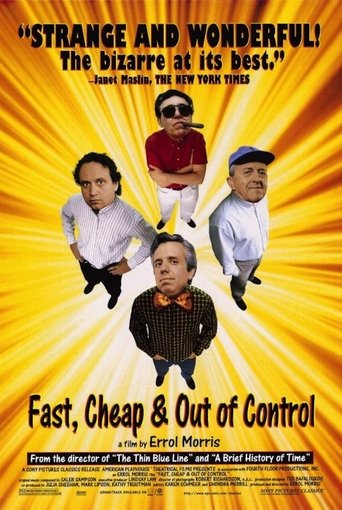
Errol Morris’s Fast, Cheap & Out of Control interweaves the stories of four men, each driven to create eccentric worlds from their unique obsessions, all of which involve animals. There’s a lion tamer who shares his theories on the mental processes of wild animals; a topiary gardener who has devoted a lifetime to shaping bears and giraffes out of hedges and trees; a man fascinated with hairless mole rats; and an MIT scientist who has designed complex, autonomous robots that can crawl like bugs.
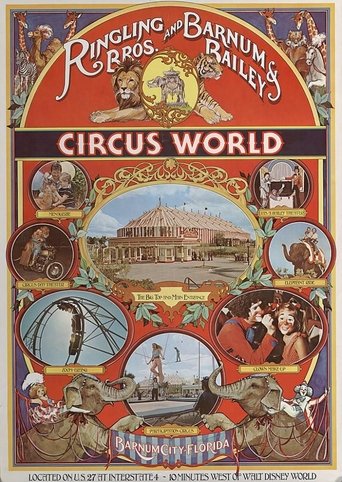
A vivid, behind-the-scenes look at the Big Top, the Greatest Show on Earth as presented by Ringling Bros. and Barnum & Bailey. Seen from the performers’ point of view, Circus World is a wonderfully human look at the tensions and harmony of families living in a circus environment, complete with The Flying Gaonas, exhilarating highwire acts, clowns, and the amazing feats of Gunther Gebel-Williams, the famous wild-animal trainer. "Circus World" was shown exclusively at the 600-seat IMAX theater at the Circus World theme park in Central Florida.

An Austrian director followed five successful African music and dance artists with his camera and followed their lives for a year. The artists, from villages in Ghana, Gambia and Congo, were the subjects of Africa! Africa! touring across Europe, but they have unbreakable roots to their homeland and their families. Schmiderer lovingly portrays his heroes, who tell their stories about themselves, their art and what it means to them to be African with captivating honesty. The interviews are interwoven with dance scenes and colourful vignettes set to authentic music.

A young girl has already seen everything there is to see and her world has lost all meaning. Her anger shatters her world and she finds herself in the universe of QUIDAM, where she is joined by a playful companion, as well as another mysterious character who attempts to seduce her with the marvelous, the unsettling and the terrifying.
Alegría is a mood, a state of mind. The themes of the show, whose name means "jubilation" in Spanish, are many. Power and the handing down of power over time, the evolution from ancient monarchies to modern democracies, old age, youth - it is against this backdrop that the characters of Alegría play out their lives. Kings' fools, minstrels, beggars, old aristocrats and children make up its universe, along with the clowns, who alone are able to resist the passing of time and the social transformations that accompany it.
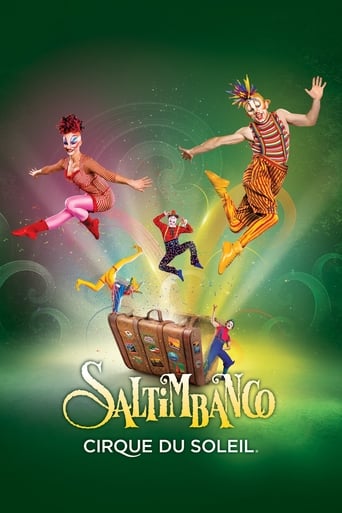
From the Italian 'saltare in banco' – which literally means 'to jump on a bench' – Saltimbanco explores the urban experience in all its myriad forms. Between whirlwind and lull, prowess and poetry, it takes spectators on an allegorical and acrobatic journey into the heart and soul of the modern city.