

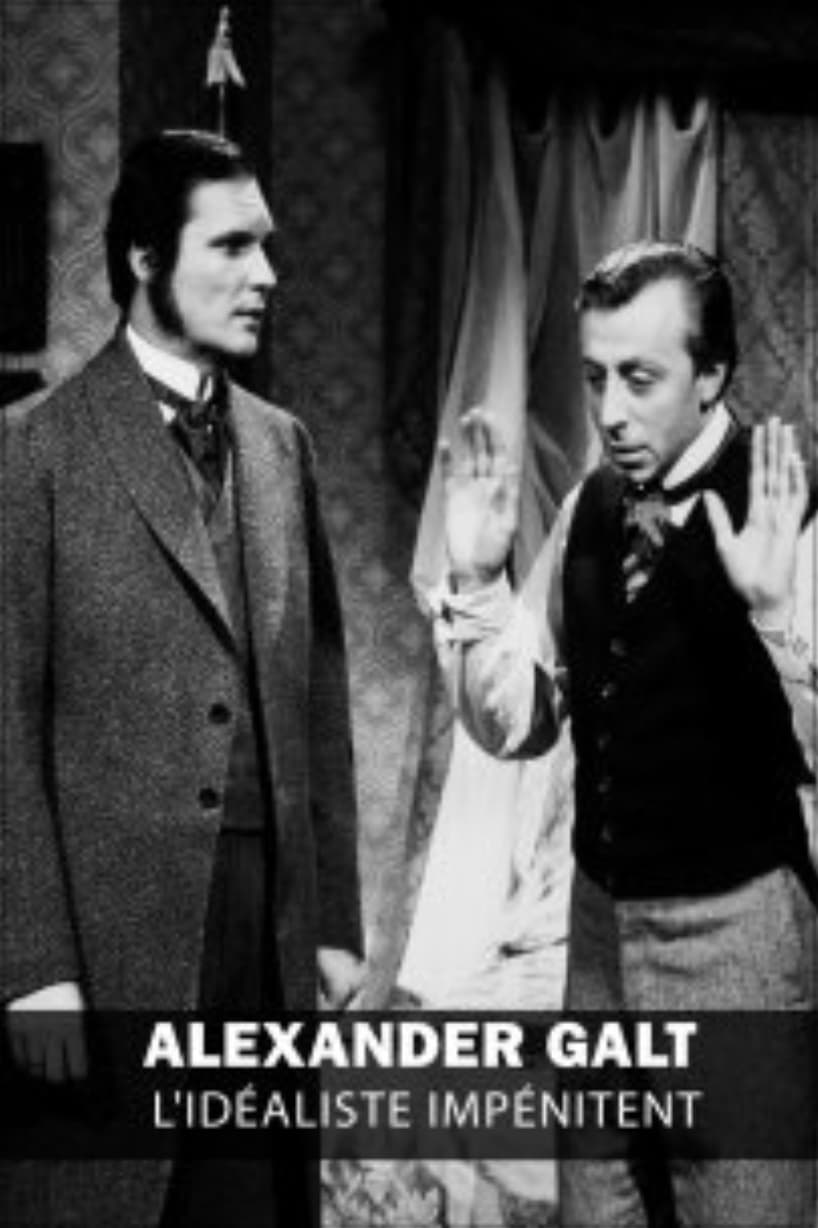
Alexander Galt: The Stubborn Idealist
History
Overview
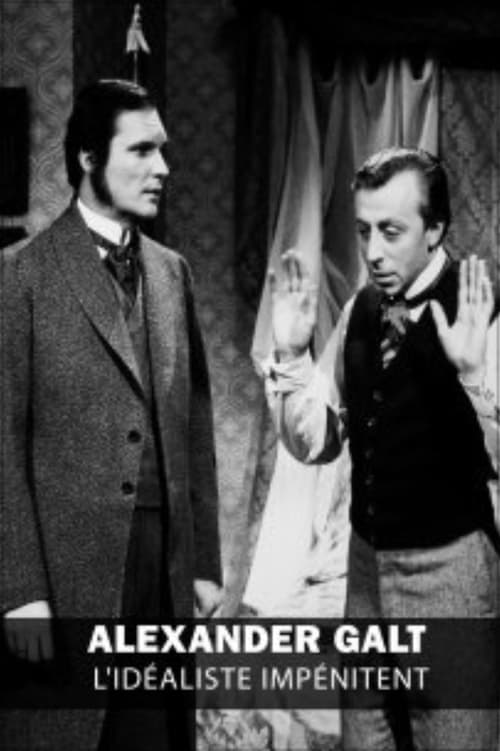
For Alexander Galt it was the middle of the road, until he saw some hope for his dream of a united Canada. What was he like, this stubborn idealist? How did he measure up to other political strongmen of his time? In this film you sense the personal clashes and the interplay of political ambitions that left their mark on history.






John Vernon
John Vernon
Alexander Galt
John Vernon
Alexander Galt
Bruno Gerussi
Bruno Gerussi
Holton
Bruno Gerussi
Holton
Robert Christie
Robert Christie
Macdonald
Robert Christie
Macdonald
Paul Hébert
Paul Hébert
Cartier
Paul Hébert
Cartier
Roger Marshall
Roger Marshall
Brown
Roger Marshall
Brown
Similar Movies
Renowned as the richest gold strike in North American mining history, the Klondike Gold Rush (1896-1899) set off a stampede of over 100,000 people on a colossal journey from Alaska to the gold fields of Canada's Yukon Territory. Filled with the frontier spirit, prospectors came and gave rise to what was one of the largest cities in Canada at that time - Dawson City. The boomtown, which became known as "the Paris of the North", earned the reputation as a place where lives could be revolutionized. Brought to life with excerpts from the celebrated book The Klondike Stampede - published in 1900 by Harper's Weekly correspondent Tappan Adney - and featuring interviews with award-winning author Charlotte Gray, and historians Terrence Cole and Michael Gates, The Klondike Gold Rush is an incredible story of determination, luck, fortune, and loss. In the end, it isn't all about the gold, but rather the journey to the Klondike itself.
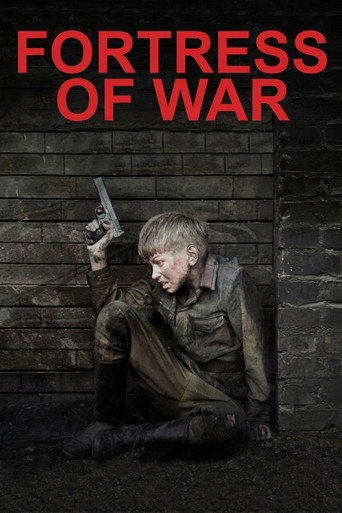
The film covers the heroic defence of the Brest Fortress, which was attacked during the first strike of German invaders on June 22 1941. The story describes the events of the first days of the defence, including the three main resistance zones, headed by the regiment commander, Pyotr Mikhailovich Gavrilov, the commissar Efim Moiseevich Fomin and the head of the 9th frontier outpost, Andrey Mitrofanovich Kizhevatov. Many years later veteran Alexander Akimov again recalls the memories of the time, when he, then a 15 year old Sasha Akimov was deeply in love with the beautiful Anya and suddenly found himself in the middle of the bloody events of war.
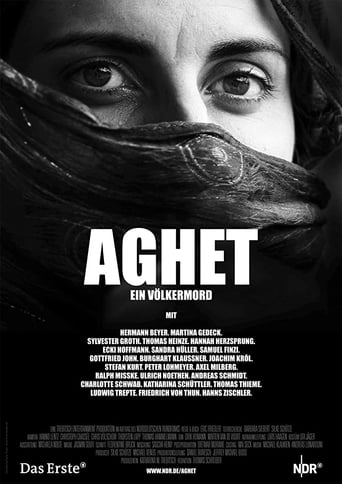
2010 documentary film on the Armenian Genocide by the Young Turk government of the Ottoman Empire during World War I. It is based on eyewitness reports by European and American personnel stationed in the Near East at the time, Armenian survivors and other contemporary witnesses which are recited by modern German actors.
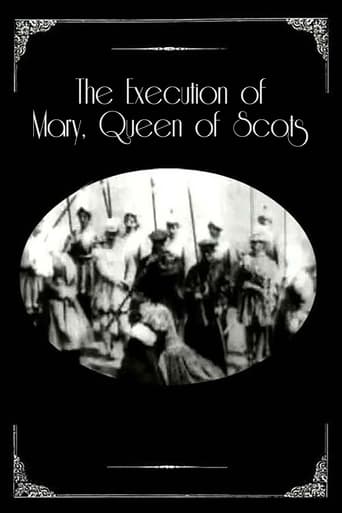
A short film depicting the execution of Mary, Queen of the Scots. Mary is brought to the execution block and made to kneel down with her neck over it. The executioner lifts his axe ready to bring it down. After that frame Mary has been replaced by a dummy. The axe comes down and severs the head of the dummy from the body. The executioner picks up the head and shows it around for everyone else to see. One of the first camera tricks to be used in a movie.
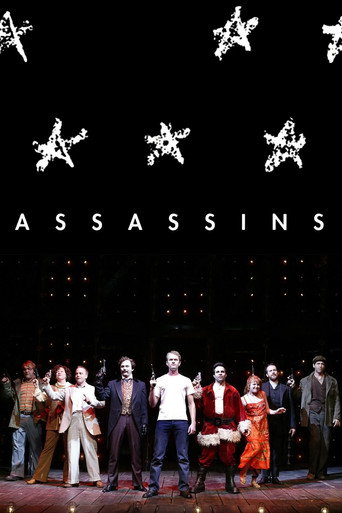
This darkly satirical musical reframes American history through the eyes of those who attempted – successfully or not – to kill US presidents. Structured as a surreal carnival sideshow, the piece weaponises American musical traditions – vaudeville, folk ballads, barbershop quartets, patriotic Sousa-style marches and Bacharach pop – to undercut the myth of the “American Dream,” exposing how frustration, alienation and entitlement can curdle into violence.
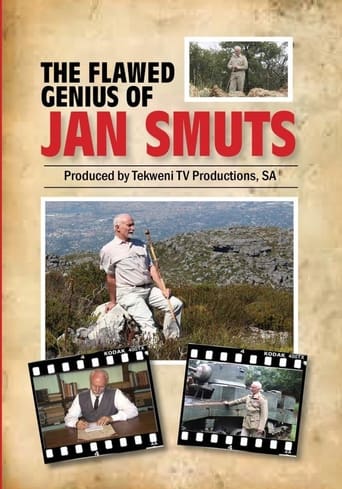
Jan Smuts is a foremost political figure in South African 20th Century History, and is recognised today by two of the world's leading historians as being at the very centre of the vision for a new world order that emerges from the League of Nations and the United Nations.. Yet, he is virtually persona non grata in his own country.... and largely ignored in school history books. This one hour drama-documentary, with its dramatised cameo scenes in which his look-alike grandson takes on the role of Jan Smuts, battle re-enactments, historical archival footage, comments from historians, political analysts, and South African political struggle heroes, looks back on his life and the circumstances that shaped it in search of some answers.
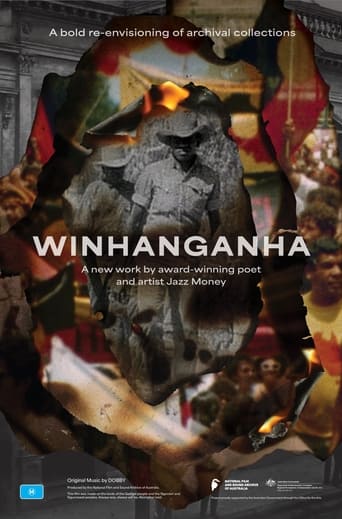
WINHANGANHA (Wiradjuri language: Remember, know, think) - is a lyrical journey of archival footage and sound, poetry and original composition. It is an examination of how archives and the legacies of collection affect First Nations people and wider Australia, told through the lens of acclaimed Wiradjuri artist, Jazz Money.