

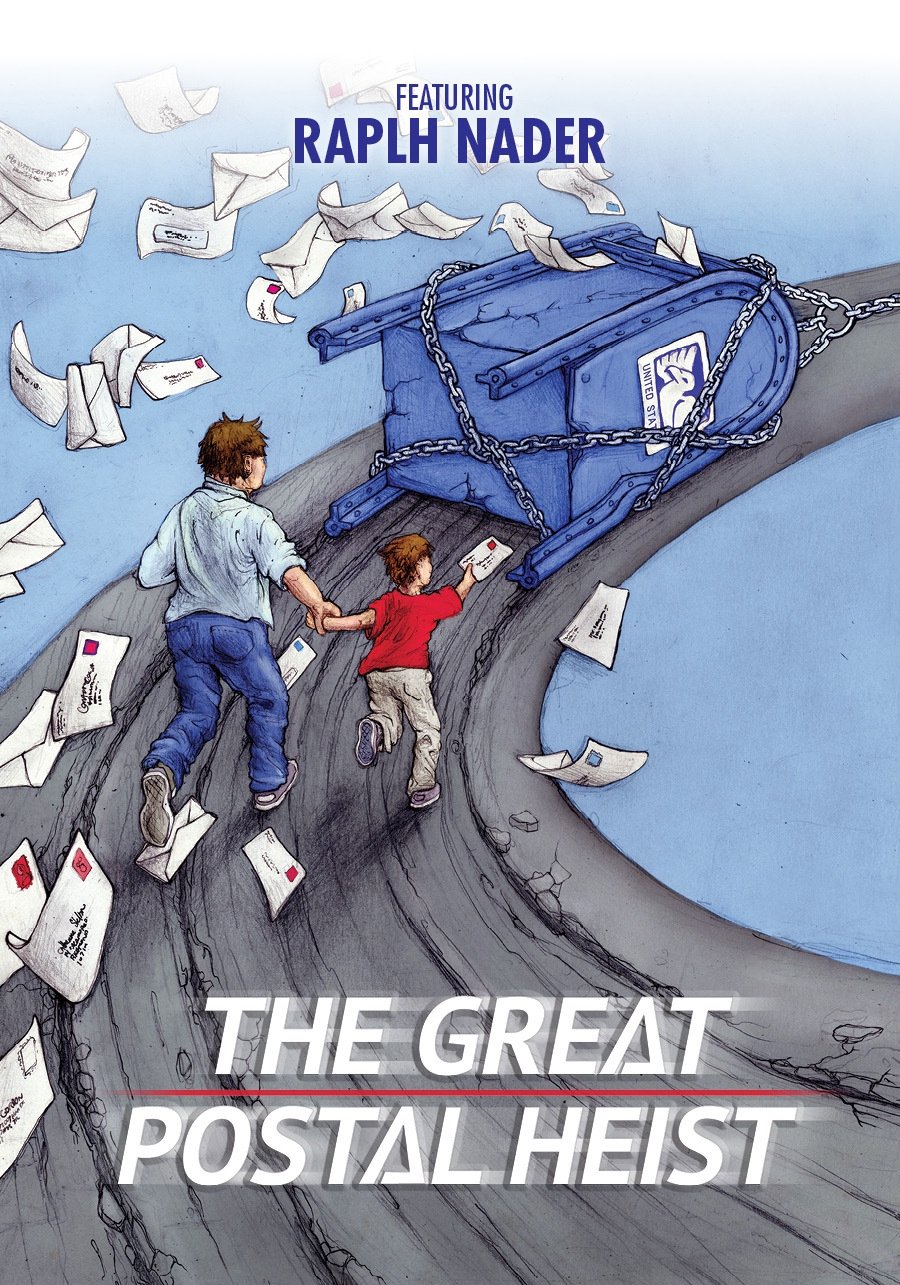
The Great Postal Heist
Documentary
Overview
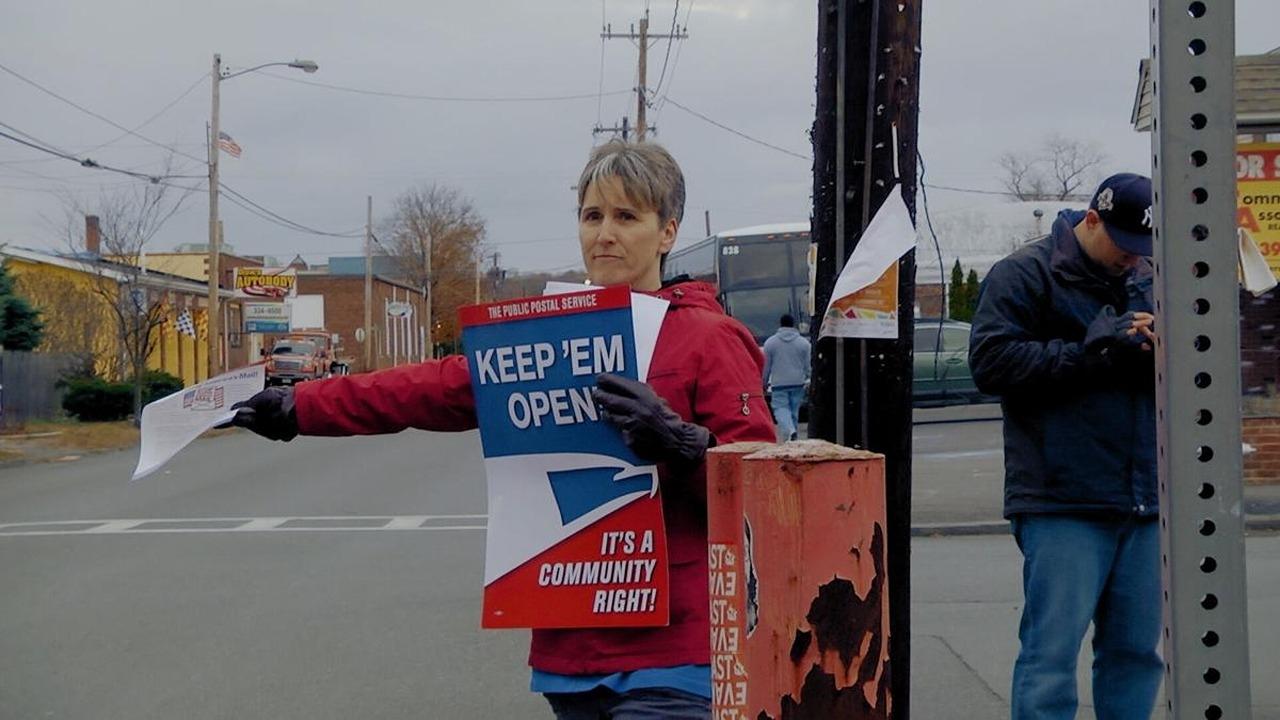
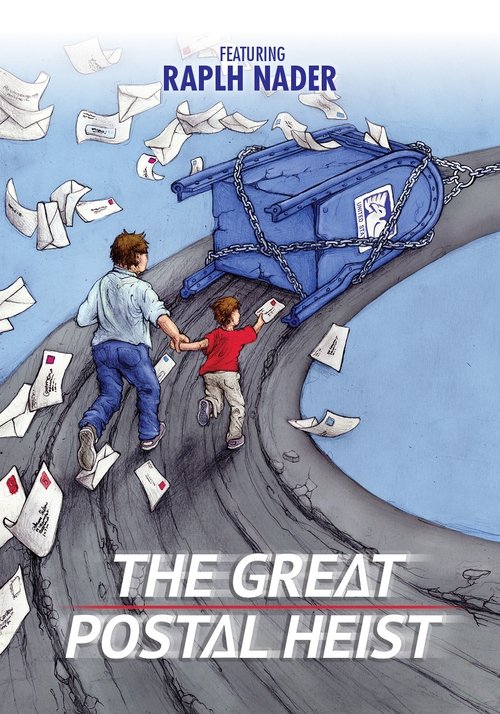
The Great Postal Heist follows director Jay Galione's father, a 30-year US Post Office clerk, who was harassed, threatened, and fired for standing up for his colleagues. A moving indictment of the toxic culture and push to downsize, the documentary chronicles the journey of postal workers, experts, and advocates who experienced firsthand the abuses in the oldest federal agency in America and stood up against the USPS's notoriously violent work environment, featuring interviews with Ralph Nader and Richard Wolff. The atmosphere was a result of systematic dismantling and privatization of the trillion-dollar mail industry by lobbyists and politicians who seek to make profits at the expense of the mental health, living wages, and working conditions of their employees.


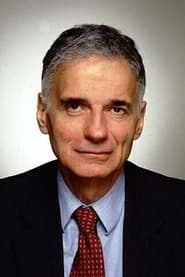
Ralph Nader
Ralph Nader
Self
Ralph Nader
Self
Richard Wolff
Richard Wolff
Self
Richard Wolff
Self
Tim Radke
Tim Radke
Self
Tim Radke
Self
Mary Burkhard
Mary Burkhard
Self
Mary Burkhard
Self
Wanda Spencer
Wanda Spencer
Self
Wanda Spencer
Self
Robert Galione
Robert Galione
Self
Robert Galione
Self
Tracy Rikard
Tracy Rikard
Self
Tracy Rikard
Self
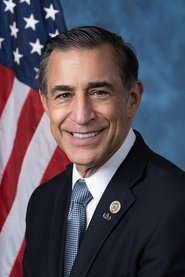
Darrell Issa
Darrell Issa
Self (archive footage)
Darrell Issa
Self (archive footage)
Similar Movies
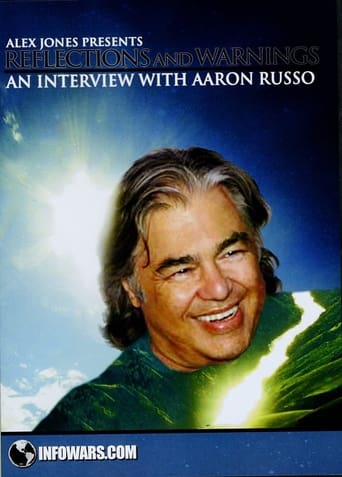
In an historic final interview, filmmaker and music promoter Aaron Russo goes in depth on the insider-knowledge given to him by a member of the Rockefeller family. Russo was told– prior to 9/11– of plans to stage terror attacks, invade foreign nations, and kickstart a high-tech police state control grid that would track the populations’ every move with implantable RFID microchips. This information-packed presentation is filled with never-before seen footage. Throughout the film, Alex Jones breaks down the latest activities of the New World Order and how it ties into what Russo predicted.
Alex Jones interviews Walter Burien, commodity trading adviser (CTA) of 15 years about the biggest game in town. There are over 85,000 federal and regional governmental institutions: school districts, water and power authorities, county and city governments – and they own over 70 percent of the stock market.
Alex Jones exposes the growing militarization of American law enforcement and the growing relationship between the military and police. Witness US training with foreign troops and learning how to control and contain civilian populations. You will see Special Forces helicopter attacks on South Texas towns, concentration camps, broad unconstitutional police actions, search and seizure and more.
Alex Jones exposes the problem-reaction-solution paradigm being used to terrorize the American people into accepting a highly controlled and oppressive society. From children in public schools being trained to turn in their peers and parents, to the Army and National Guard patrolling our nation's highways, Police State: The Takeover reveals the most threatening developments of Police State control
The film is a controversy on democracy. Is our society really democratic? Can everyone be part of it? Or is the act of being part in democracy dependent to the access on technology, progression or any resources of information, as philosophers like Paul Virilio or Jean Baudrillard already claimed?
Its hard to explain the full depth and breadth of the depravity of the pharmaceutical industry, the medical research industry, and the federal government. This film does a pretty good job. Hang on to your hat. The model for modern biological warfare was "discovered" during the conquest of the Americas and has been repeated over and over again.
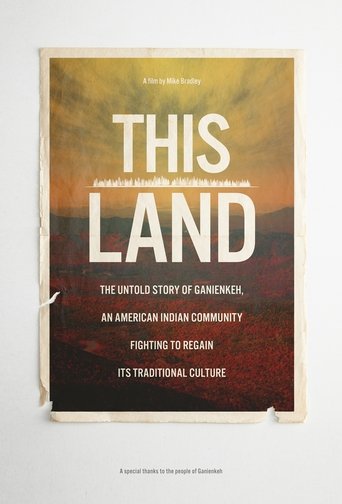
In 1974 a group of Mohawk Indians occupied a defunct girls camp in New York's Adirondack mountains and established a community they called Ganienkeh. Aiming to practice a more traditional lifestyle, and asserting aboriginal title to the land, they stayed for three years, having occasional violent clashes with the local residents. In 1977 they negotiated a (somewhat complicated) land swap with the State, and agreed to move to a permanent home near Plattsburgh, New York, where they remain today. Ganienkeh is one of the only examples of an indigenous people successfully reclaiming land from the United States, but it may not be the last.
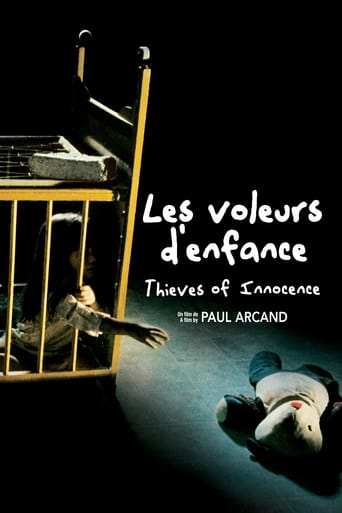
Every year in Quebec, 25,000 reports of children being beaten, sexually abused or abandoned are retained by the Directorate of Youth Protection. And nearly 40% of babies who die in the province to die because of the violence of their parents. This explains the fact that nearly 30,000 children are supported by the DPJ until the age of 18. But this government agency is in a position to meet the needs of young people? Journalist and documentary filmmaker Paul Arcand presents the testimonies of children and adult victims of abuse of all kinds, and interviews politicians, social workers and members of the judiciary on their perception of the problem. In addition, Arcand denounces the carelessness of a bureaucratic system that does not always seem to be concerned about the well-being of those for whom they are responsible.