

Solar Anus
Documentary
Overview
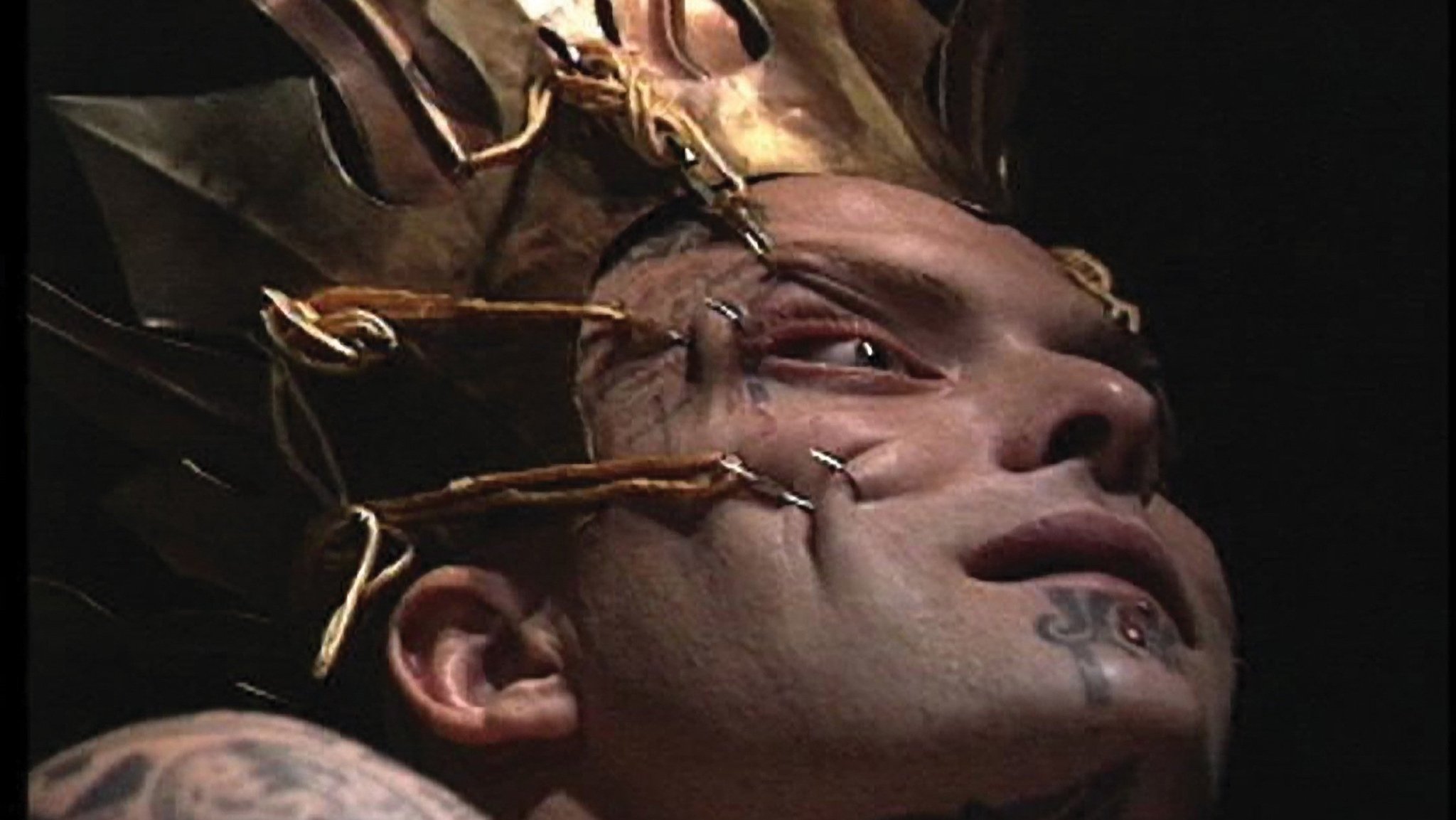
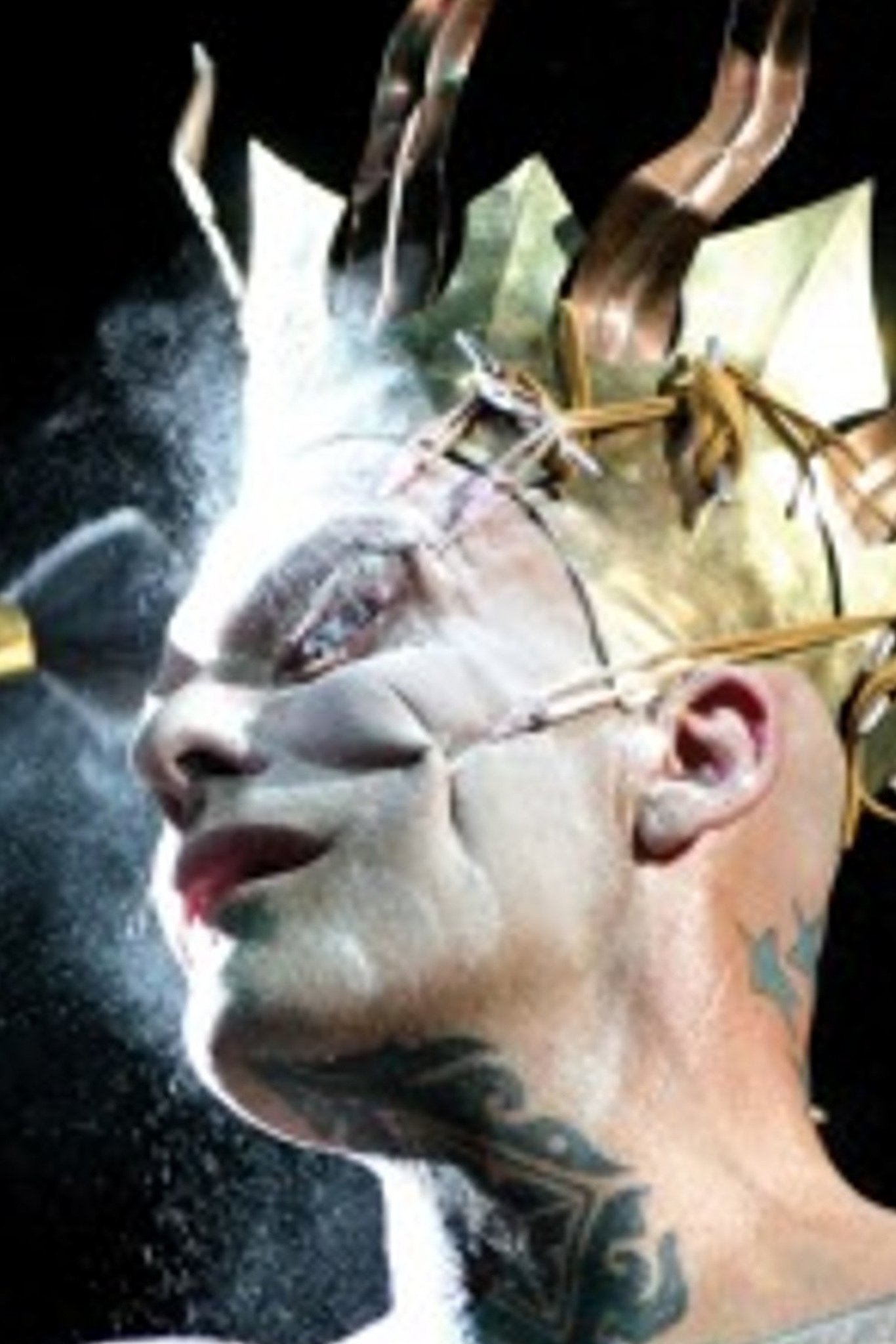
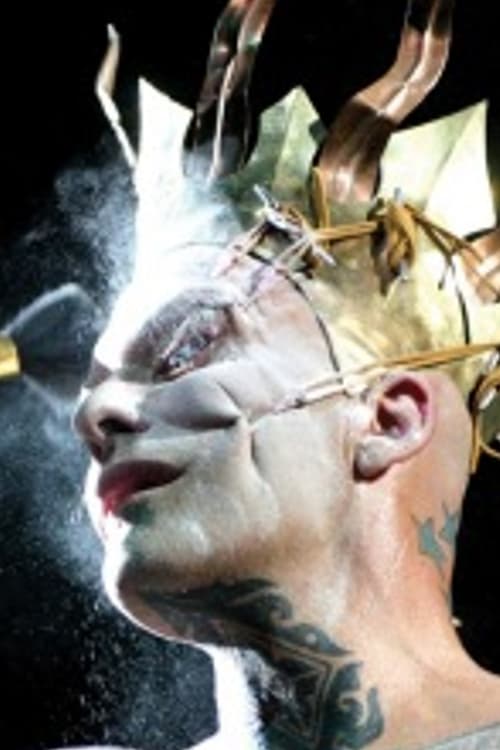
Based off a homophobic Bataille essay — L’Anus Solaire (1931) — which draws the erect penis as the sun, and the anus as the nighttime, attracted to each other but unable to exist together, Ron Athey’s performance work aims to queer Bataille’s theory. After pinning his face and head into a crown, Athey proceeds to fuck himself with a dildo attached to a pair of high heels, eventually releasing a string of pearls from his anus.
Top Cast






Ron Athey
Ron Athey
Ron Athey
Similar Movies
Although the past two years have been challenging for the Theatre industry, they also showed its incredible strength and resilience. Through interviews with West End performers and creatives, this documentary outlines the difficulties presented to our industry over the course of the pandemic, as well as highlighting changes - both positive and negative - that have come from it. An emotional reflection on a battle it was worth fighting for. All profits will be going to 'Acting for Others', an organisation that provides support to all theatre workers through 14 member charities. We hope these stories full of passion for Theatre inspire you just as much as they inspired us!
As a small liberal arts college on the North Shore, Gordon College has not been without its issues. Budget cuts in 2019 resulted in the downsizing of several departments which impacted students' college career. In 2020 during the heat of the pandemic, racial tensions rise after hate crimes are committed on campus. This is the story of the class of 2022.
Augustus Northmore Welby Pugin is far from being a household name, yet he designed the iconic clock tower of Big Ben as well as much of the Palace of Westminster. The 19th-century Gothic revival that Pugin inspired, with its medieval influences and soaring church spires, established an image of Britain which still defines the nation. Richard Taylor charts Pugin's extraordinary life story and discovers how his work continues to influence Britain today.
Under the tutelage of anthropologist Franz Boas (her former Columbia professor) and Harlem Renaissance arts patron Charlotte Osgood Mason, Zora Neale Hurston spent nearly two years, from 1927 to 1929, studying the folkloric customs, work songs, spirituals, and vernacular language of African American communities along the River Road and from New Orleans to Florida.