

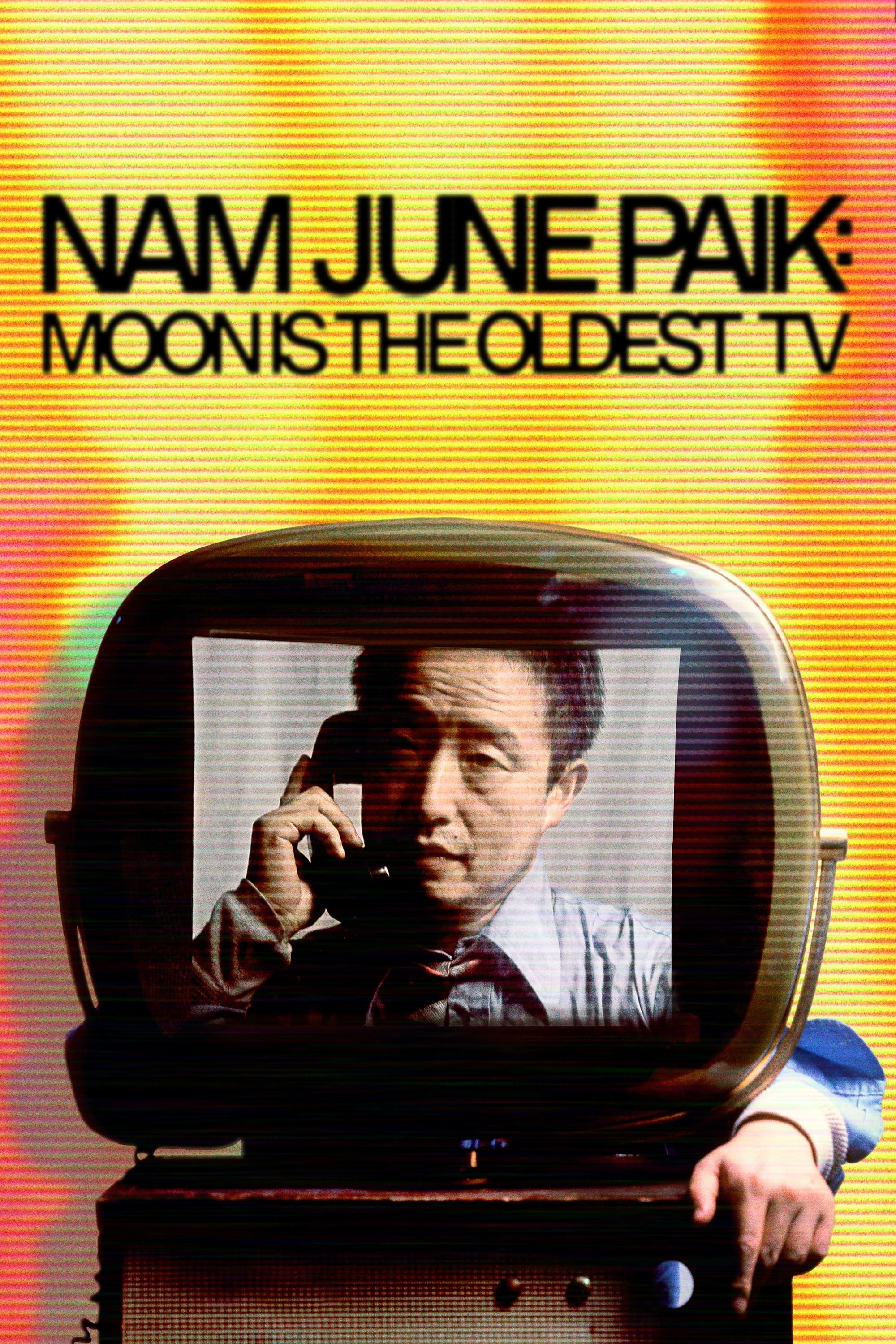
Nam June Paik: Moon Is the Oldest TV
Documentary
Overview
The quixotic journey of Nam June Paik, one of the most famous Asian artists of the 20th century, who revolutionized the use of technology as an artistic canvas and prophesied both the fascist tendencies and intercultural understanding that would arise from the interconnected metaverse of today's world.
Top Cast

Steven Yeun
Self - Narrator (voice)

Nam June Paik
Self (archive footage)
David Bowie
Self (archive footage)
Yoko Ono
Self (archive footage)
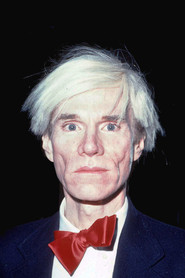
Andy Warhol
Self (archive footage)

Ryuichi Sakamoto
Self (archive footage)
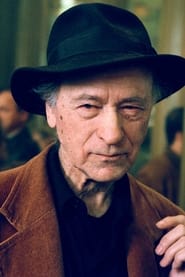
Jonas Mekas
Self (archive footage)
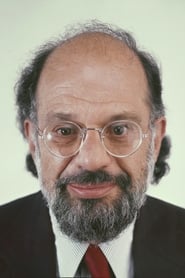
Allen Ginsberg
Self (archive footage)
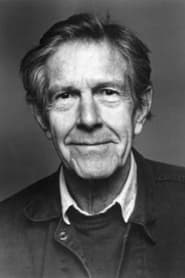
John Cage
Self (archive footage)
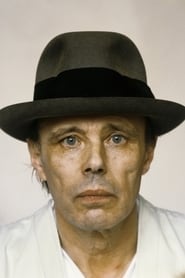
Joseph Beuys
Self (archive footage)
Merce Cunningham
Self (archive footage)
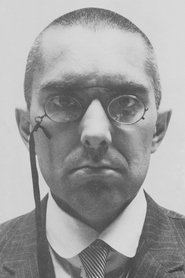
George Maciunas
Self (archive footage)
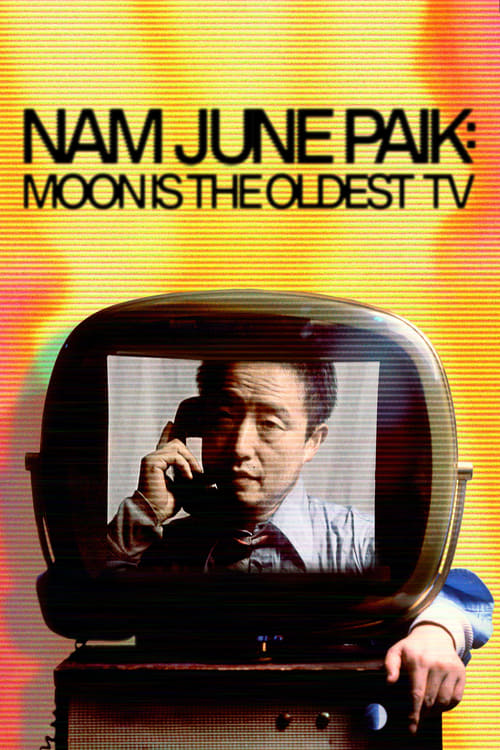
Steven Yeun
Steven Yeun
Self - Narrator (voice)
Steven Yeun
Self - Narrator (voice)
Nam June Paik
Nam June Paik
Self (archive footage)
Nam June Paik
Self (archive footage)
David Bowie
David Bowie
Self (archive footage)
David Bowie
Self (archive footage)
Yoko Ono
Yoko Ono
Self (archive footage)
Yoko Ono
Self (archive footage)
Andy Warhol
Andy Warhol
Self (archive footage)
Andy Warhol
Self (archive footage)
Ryuichi Sakamoto
Ryuichi Sakamoto
Self (archive footage)
Ryuichi Sakamoto
Self (archive footage)
Jonas Mekas
Jonas Mekas
Self (archive footage)
Jonas Mekas
Self (archive footage)
Allen Ginsberg
Allen Ginsberg
Self (archive footage)
Allen Ginsberg
Self (archive footage)
John Cage
John Cage
Self (archive footage)
John Cage
Self (archive footage)
Joseph Beuys
Joseph Beuys
Self (archive footage)
Joseph Beuys
Self (archive footage)
Similar Movies
After concluding the now-legendary public access TV series, The Pain Factory, Michael Nine embarked on a new and more subversive public access endeavor: a collaboration with Scott Arford called Fuck TV. Whereas The Pain Factory predominantly revolved around experimental music performances, Fuck TV was a comprehensive and experiential audio-visual presentation. Aired to a passive and unsuspecting audience on San Francisco’s public access channel from 1997 to 1998, each episode of Fuck TV was dedicated to a specific topic, combining video collage and cut-up techniques set to a harsh electronic soundtrack. The resultant overload of processed imagery and visceral sound was unlike anything presented on television before or since. EPISODES: Yule Bible, Cults, Riots, Animals, Executions, Static, Media, Haterella (edited version), Self Annihilation Live, Electricity.
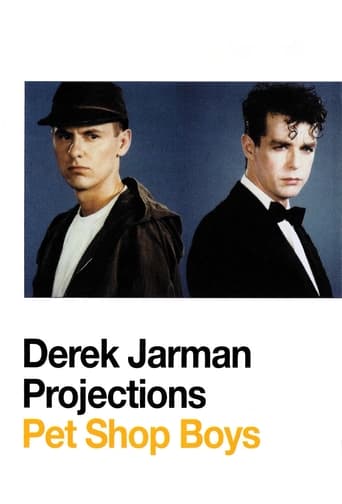
The innovative and influential British filmmaker Derek Jarman was invited to direct the Pet Shop Boys' 1989 tour. This film is a series of iconoclastic images he created for the background projections. Stunning, specially shot sequences (featuring actors, the Pet Shop Boys, and friends of Jarman) contrast with documentary montages of nature, all skillfully edited to music tracks.
A ritual of grids, reflections and chasms; a complete state of entropy; a space that devours itself; a vertigo that destroys the gravity of the Earth; a trap that captures us inside the voids of the screen of light: «That blank arena wherein converge at once the hundred spaces» (Hollis Frampton).
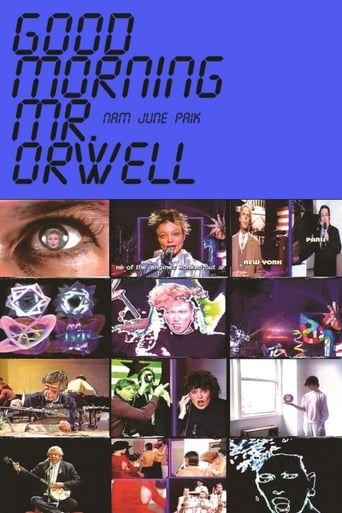
In his book "1984", George Orwell saw the television of the future as a control instrument in the hands of Big Brother. Right at the start of the much-anticipated Orwellian year, Paik and Co. were keen to demonstrate satellite TV's ability to serve positive ends-- Namely, the intercontinental exchange of culture, combining both highbrow and entertainment elements. A live broadcast shared between WNET TV in New York and the Centre Pompidou in Paris, linked up with broadcasters in Germany and South Korea, reached a worldwide audience of over 10 or even 25 million (including the later repeat transmissions).
In Junior War, a throng of highschoolers congregate at night for a party in the woods sometime in the year 2000. A band plays, the kids get drunk, the boys and girls tepidly flirt, and groups deploy into cars for the purpose of destroying mailboxes, tee-peeing houses, breaking lawn ornaments, and sparring with the police. The film is composed entirely of footage Trecartin took during his senior year of high school in exurban Ohio; as such, it baits the viewer with genealogical significance.

A kinetic prayer and structuralist intervention. Shot entirely on an iPhone 11 in a desolate Midwest laundromat, 108 spin documents the mechanics of impermanence. The film shifts from heavy turbulence to suspended repetition—not as a path to completion, but as a study of the loop itself. Featuring a layered soundscape, the work asks the viewer to stare into the rotation until the noise becomes a mantra.

A collection of 8mm film reels from İlhan Mimaroğlu’s archive—once tucked away in whisky boxes—has found new life through art. Curated by director Serdar Kökçeoğlu and producer Dilek Aydın, the project brings together visual artists and musicians to reimagine these long-lost images. Over thirty artists transformed the footage into fifteen distinct audiovisual pieces, blending experimental soundscapes with contemporary video art. The project concludes with a special highlight: the first-ever screening of Mimaroğlu’s silent short film about a street jazz festival, accompanied by Erdem Helvacıoğlu’s dark jazz score.
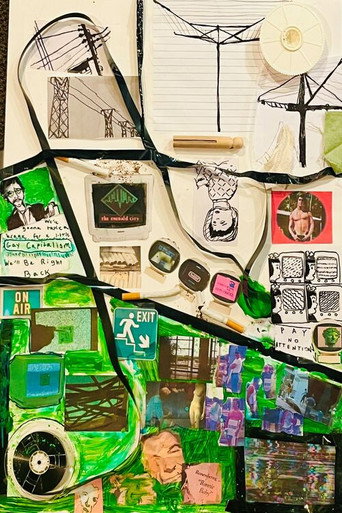
A continuously running installation of two video monitors on pedestals, overlooked by a green Kit-Cat clock. A 9" and a 13" CRT display two different video collages of footage from the Emerald Square Mall and the strike during its 1989 construction with remixed interferences of Channel J's Emerald City TV (1976-1979): the self-proclaimed "world’s first television show for gay men and women", Huge Video's Heat in the Night (1989), Genet's Un Chant D'Amour (1950), various cigarette commercials, The Wizard of Oz (1939), and a performance of a mylar-clad entity wrapping up one of the televisions in videotape.