


Documentary · History
Overview
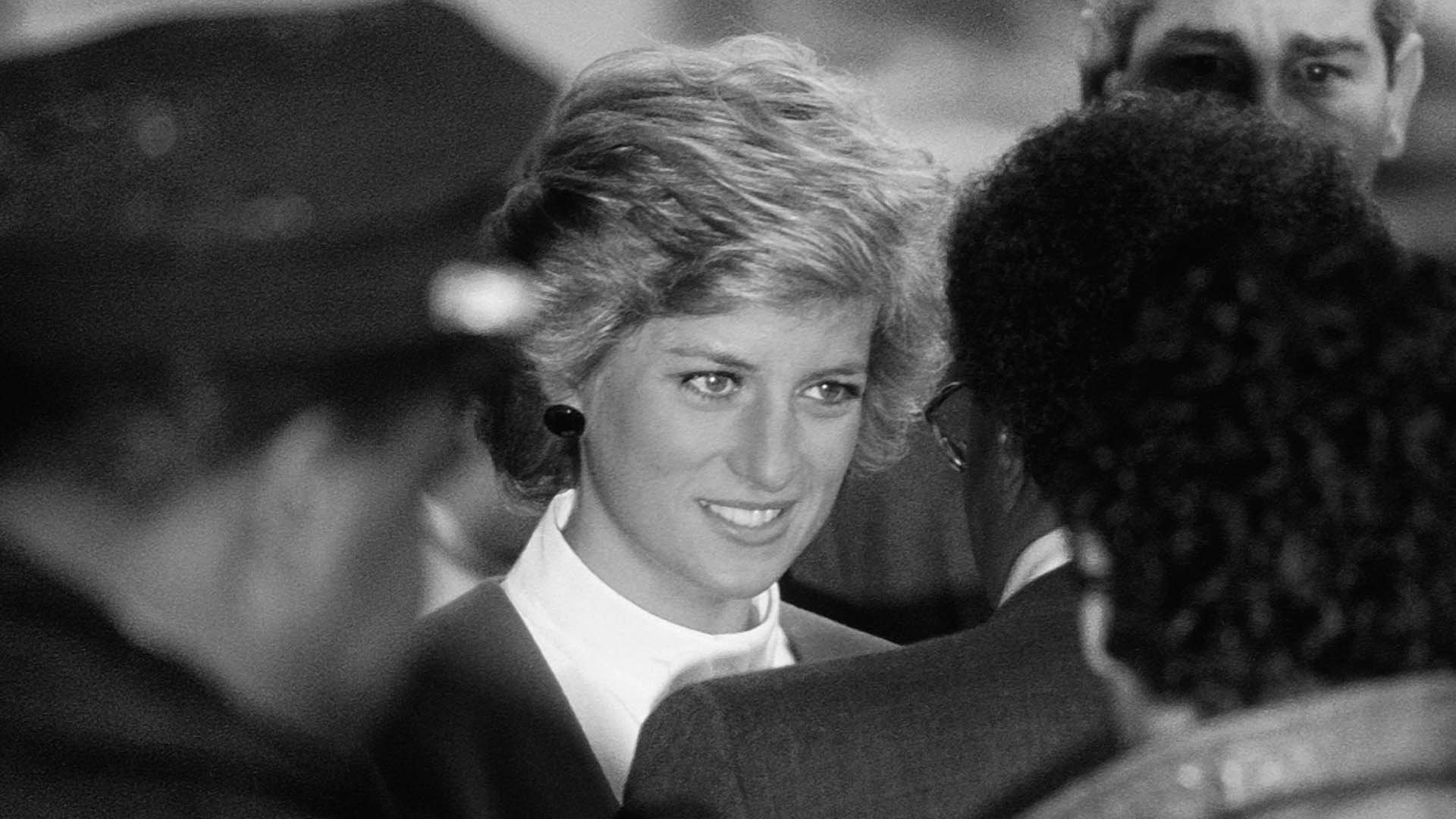
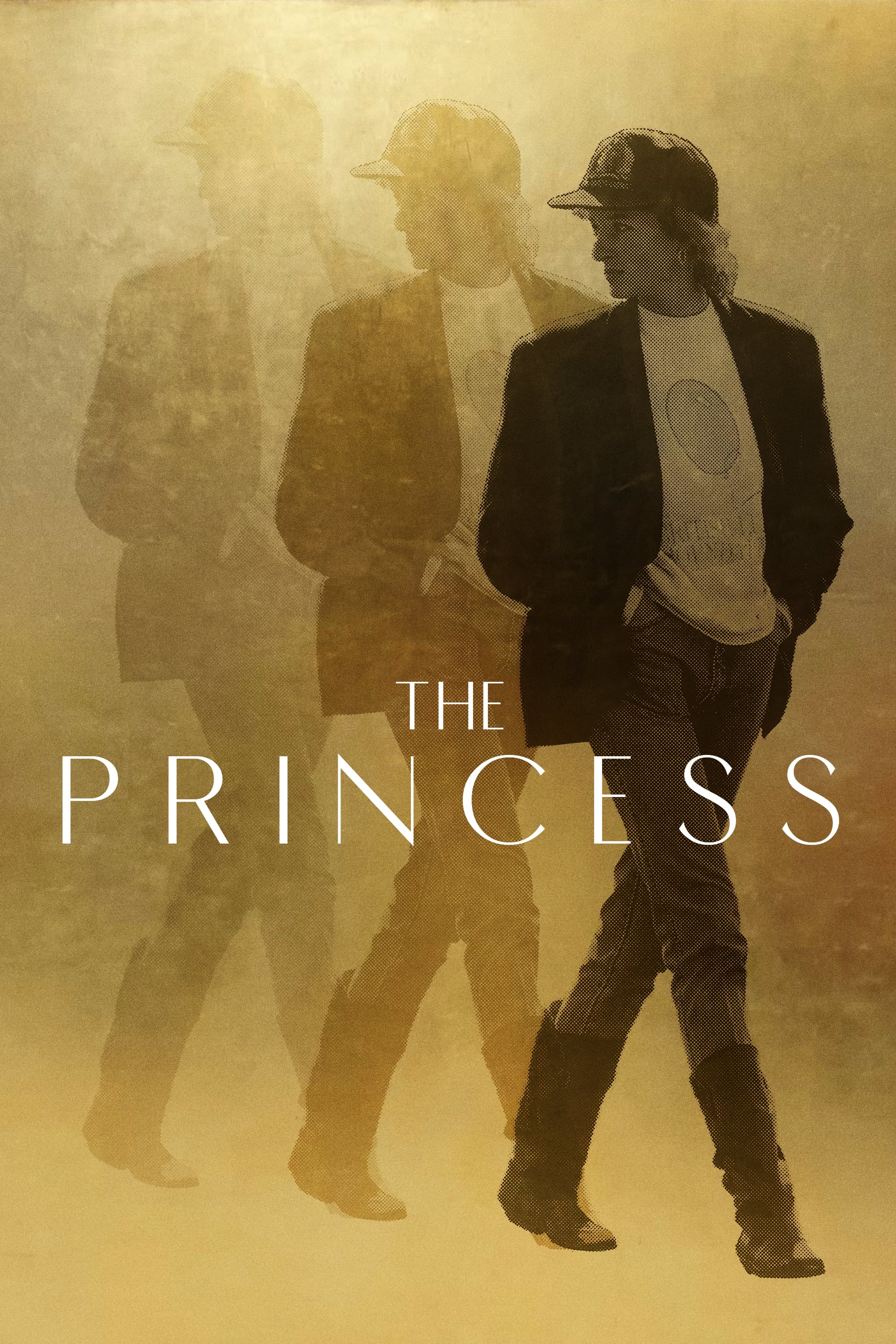
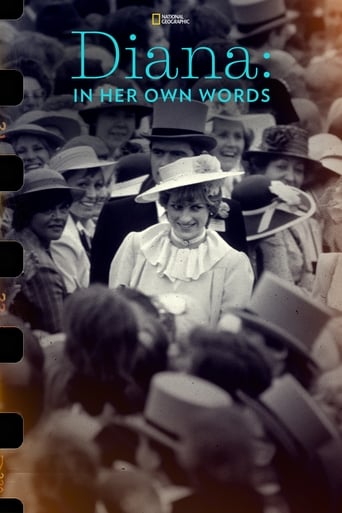
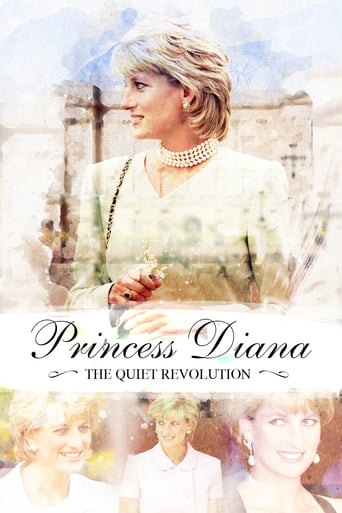
Decades after her untimely death, Princess Diana continues to evoke mystery, glamour, and the quintessential modern fairy tale gone wrong. As a symbol of both the widening fissures weakening the British monarchy and the destructive machinery of the press, the Princess of Wales navigated an unparalleled rise to fame and the corrosive challenges that came alongside it. Crafted entirely from immersive archival footage and free from the distraction of retrospective voices, this hypnotic and audaciously revealing documentary takes a distinctive formal approach, allowing the story of the People’s Princess to unfold before us like never before.


No cast information.
Similar Movies
In 1561, Mary Stuart, widow of the King of France, returns to Scotland, reclaims her rightful throne and menaces the future of Queen Elizabeth I as ruler of England, because she has a legitimate claim to the English throne. Betrayals, rebellions, conspiracies and their own life choices imperil both Queens. They experience the bitter cost of power, until their tragic fate is finally fulfilled.
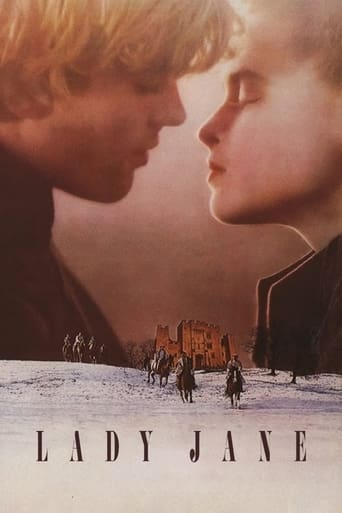
The death of King Henry VIII throws his kingdom into chaos because of succession disputes. His weak son, Edward, is on his deathbed. Anxious to keep England true to the Reformation, a scheming minister John Dudley marries off his son, Guildford to Lady Jane Grey, whom he places on the throne after Edward dies. At first hostile to each other, Guildford and Jane fall in love, but they cannot withstand the course of power which will lead to their ultimate downfall.
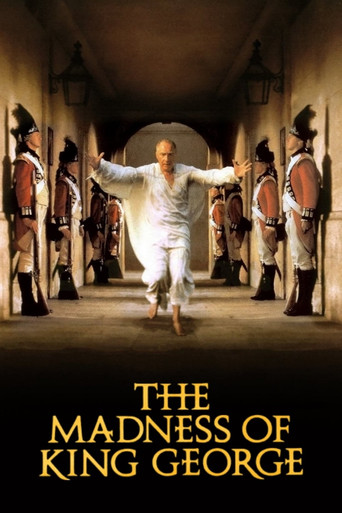
Aging King George III of England is exhibiting signs of madness, a problem little understood in 1788. As the monarch alternates between bouts of confusion and near-violent outbursts of temper, his hapless doctors attempt the ineffectual cures of the day. Meanwhile, Queen Charlotte and Prime Minister William Pitt the Younger attempt to prevent the king's political enemies, led by the Prince of Wales, from usurping the throne.
Henry VIII has just married Marie of Normandy, and is eager to consummate their marriage. Unfortunately for Henry, she is always eating garlic, and refuses to stop. Deciding to get rid of her in his usual manner, Henry has to find some way of doing it without provoking war with Marie's cousin, the King of France. Perhaps if she had an affair...
In "Diana: The Mourning After" Christopher Hitchens sets out to examine the bogusness of "a nation's grief", tries to uncover the few voices of sanity that cut against the grain of contrived hysteria. His findings suggested that the collective hordes of emotive Dianaphiles sobbing in the streets were not only encouraged but emulated by the media. In the aftermath of Diana's death a three-line whip was enforced on newspapers and on TV, selling the sainthood line wholesale. The suspicion was that journalists, like the public, greeted the death as a chance to wax emotional in print, as a change from the customary knowing cynicism, to wheel out all those portentous phrases they'd been saving up for the big occasion. Sadly, they just seemed to be showboating; the eulogies, laments and tear-soaked platitudes ringing risibly hollow.