

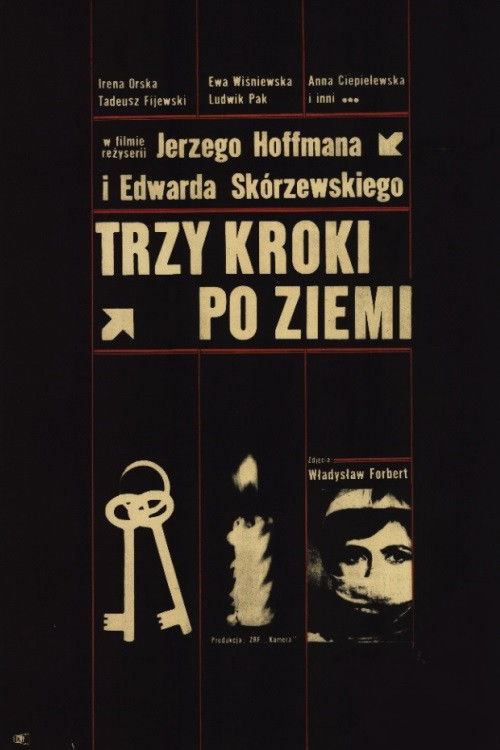
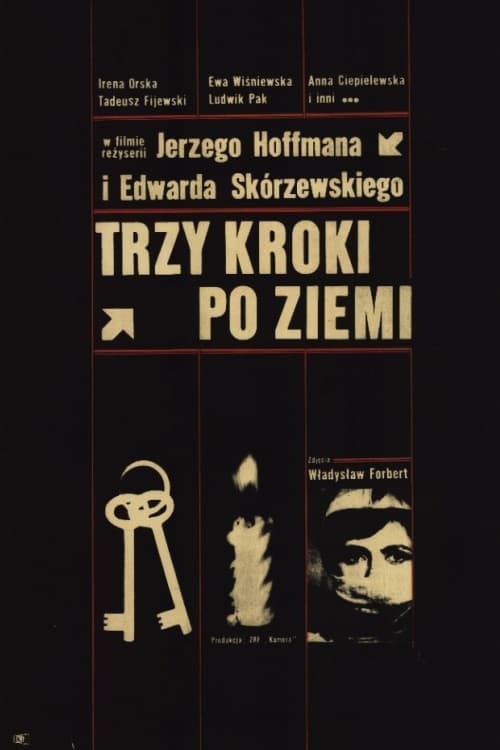
Trzy kroki po ziemi
Drama
Overview
Three stories about life problems, each rooted in contemporary reality through newspaper reports and a “Polityka” magazine survey, crafted by documentarians Jerzy Hoffman and Edward Skórzewski.
Top Cast
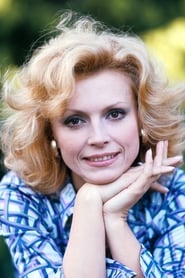
Ewa Wiśniewska
Anna Gościk (segment 1)
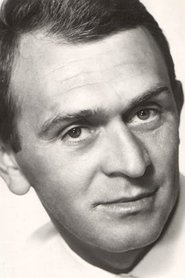
Ludwik Pak
Ludwik Gościk (segment 1)
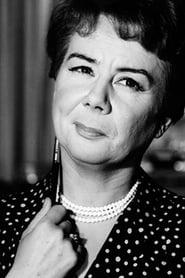
Irena Orska
Marysia Majchrowska (segment 2)
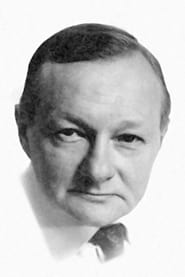
Tadeusz Fijewski
Aleksander Majchrowski (segment 2)
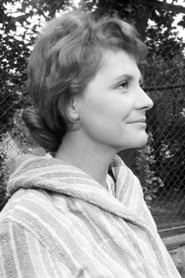
Anna Ciepielewska
Dr. Wysocka (segment 3)
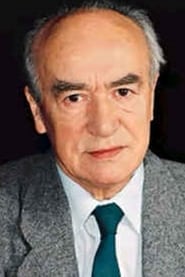
Wiesław Michnikowski
Judge (segment 1)
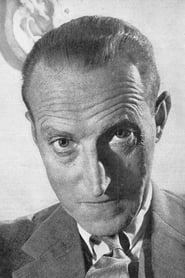
Kazimierz Rudzki
Advocate (segment 1)
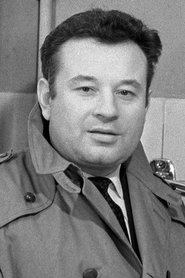
Mieczysław Czechowicz
Szlenkiel (segment 1)
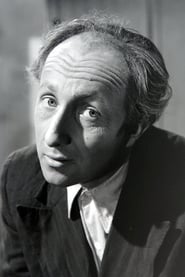
Bogumił Kobiela
Clerk (segment 1)
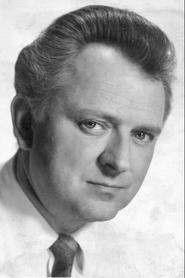
Bogdan Baer
Juror Górniak (segment 1)
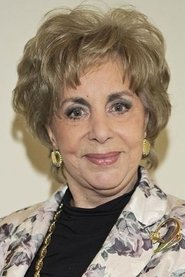
Zofia Czerwińska
Waitress (segment 1)
Helena Dąbrowska
Tenant (segment 1)


Ewa Wiśniewska
Ewa Wiśniewska
Anna Gościk (segment 1)
Ewa Wiśniewska
Anna Gościk (segment 1)
Ludwik Pak
Ludwik Pak
Ludwik Gościk (segment 1)
Ludwik Pak
Ludwik Gościk (segment 1)
Irena Orska
Irena Orska
Marysia Majchrowska (segment 2)
Irena Orska
Marysia Majchrowska (segment 2)
Tadeusz Fijewski
Tadeusz Fijewski
Aleksander Majchrowski (segment 2)
Tadeusz Fijewski
Aleksander Majchrowski (segment 2)
Anna Ciepielewska
Anna Ciepielewska
Dr. Wysocka (segment 3)
Anna Ciepielewska
Dr. Wysocka (segment 3)
Wiesław Michnikowski
Wiesław Michnikowski
Judge (segment 1)
Wiesław Michnikowski
Judge (segment 1)
Kazimierz Rudzki
Kazimierz Rudzki
Advocate (segment 1)
Kazimierz Rudzki
Advocate (segment 1)
Mieczysław Czechowicz
Mieczysław Czechowicz
Szlenkiel (segment 1)
Mieczysław Czechowicz
Szlenkiel (segment 1)
Bogumił Kobiela
Bogumił Kobiela
Clerk (segment 1)
Bogumił Kobiela
Clerk (segment 1)
Bogdan Baer
Bogdan Baer
Juror Górniak (segment 1)
Bogdan Baer
Juror Górniak (segment 1)
Similar Movies
What is “Slovakia”? How to explain the notion of “Slovakia” of the past 20 years to an unknown stranger, a visitor from another planet? What is the genetic makeup or the software for “Slovakia”? How to use it? How does it change? Slovakia 2.0 is a film about twenty years of independent Slovakia as seen from the perspective of ten film directors. It is composed of ten 10-minute films of different genres ranging from drama, through animation and documentaries, to experimental film. The ten recognised film directors who offer an answer to what is Slovakia include a wide range of generations, views and genres, namely Juraj Herz, Martin Šulík, Peter Kerekes, Zuzana Liová, Mišo Suchý, Ondrej Rudavský, Iveta Grófová, Peter Krištúfek, Viera Čákanyová, and Miro Jelok.

Four young women are somewhat desperate in their relationships, since their male partners are not the most successful types. But does that mean you have to break up with them? In his fast-paced comedy, Santa YAMAGISHI takes a closer look at romantic clichés and the truths that lie behind them.
TV movie "Triptych of love" was created by short stories by famous Slovak writer Ladislava Nádaši - Jégeho. Historical themes in his works have an ambition to bring over to look attractive environment and time bygone era strong dramatic stories and exciting human destinies. Renaissance short stories from the collection "Italy" are a variety of views from different backgrounds, linking theme of many forms of love, its tones and semitones, from bitterly ridiculous after tragic. Screenwriter Ján Števček that dramatically processed three Jégeho stories.
Three stories from the school environment, mostly from the perspective of teachers. In the first story we see an unnecessarily strict teacher, in the middle one a sports career is glossed over, which causes a young teacher to leave his job. In the final story, on the other hand, an experienced high school teacher goes to teach in a rural school to gain inner peace.
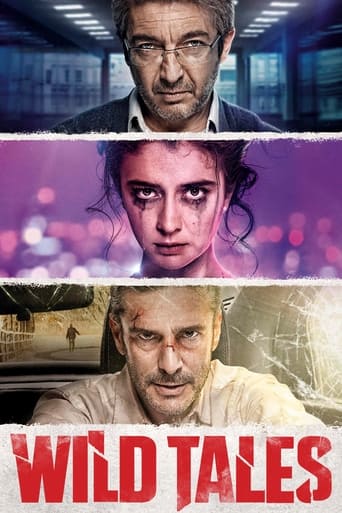
Injustice and the demands of the world can cause stress for many people. Some of them, however, explode. This includes a waitress serving a grouchy loan shark, an altercation between two motorists, an ill-fated wedding reception, and a wealthy businessman who tries to buy his family out of trouble.
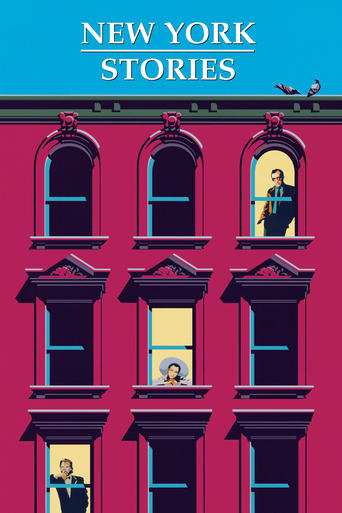
Three tales of love, ambition, and neurosis unfold in the city that never sleeps. In "Life Lessons" (Martin Scorsese), a tormented painter channels heartbreak into his art. In "Life Without Zoë" (Francis Ford Coppola), a precocious 12-year-old navigates privilege and loneliness in a Manhattan hotel. And in "Oedipus Wrecks" (Woody Allen), a man’s domineering mother literally becomes a looming presence over New York.