

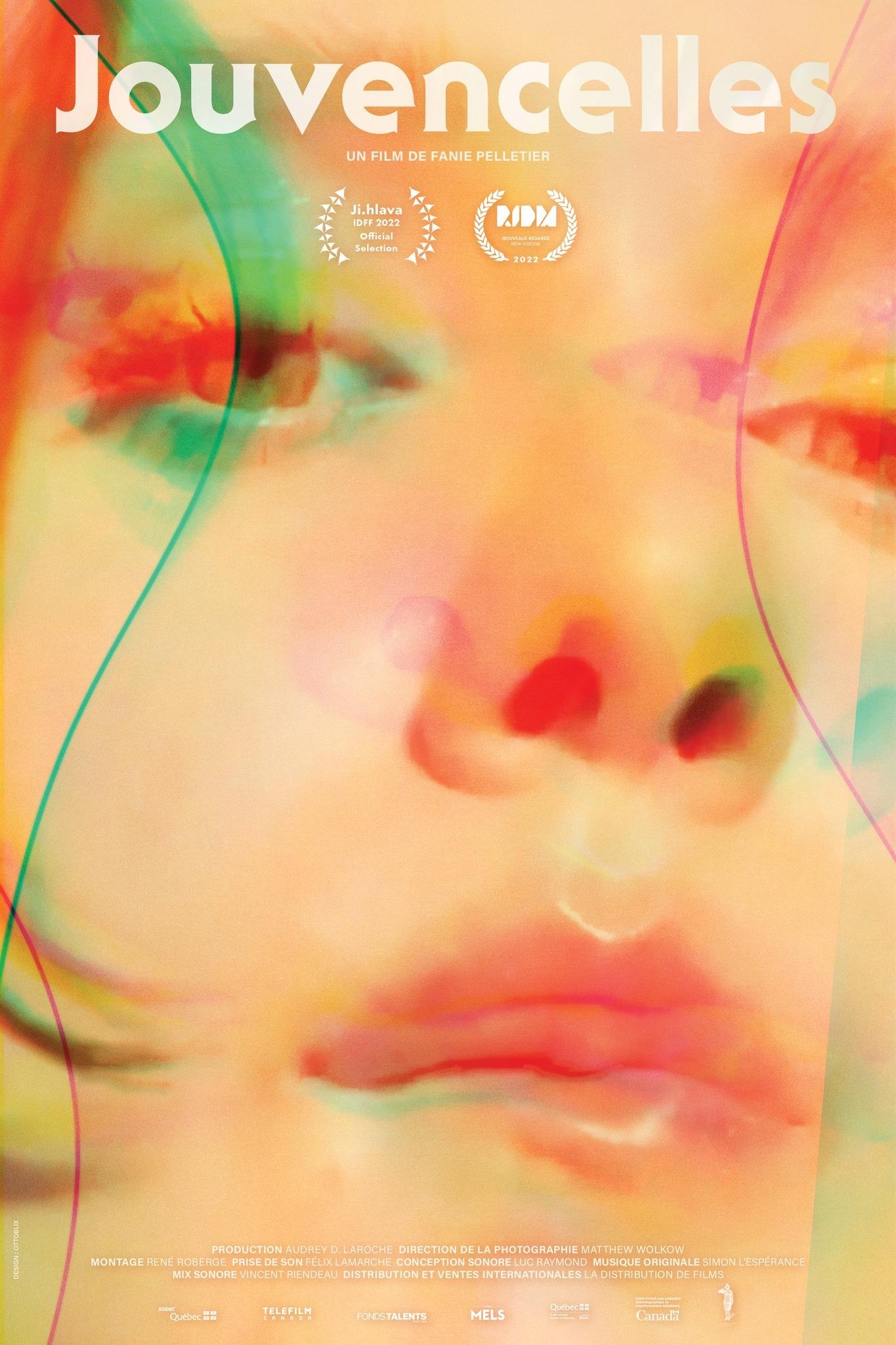
Bloom
Documentary
Overview
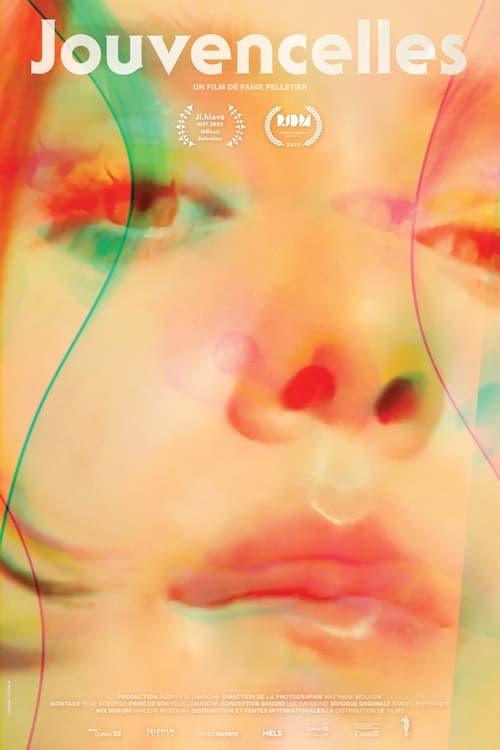
Three groups of adolescent girl friends from Quebec are going through tough changes. The process of inventing their own bodies and identity are being recorded on the move by their smartphones and shared with their peers from other parts of the networked world. Due to their strong need of external confirmation, they alter their lives into a series of retouched pictures and videos. The film camera, however, captures their feelings of void, loneliness and deep inner insecurities that are not so attractive for Periscope, TikTok or Instagram. An intimate portrait of adolescence is made with full comprehension of experiencing and self-presentation in a generation growing up on the brink of the real and virtual worlds.

No cast information.
Similar Movies
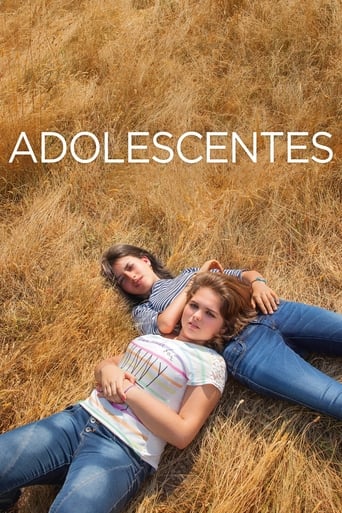
Emma and Anaïs are best friends and yet everything in their life seems to set them apart, their social backgrounds but also their personalities. From the age of thirteen to eighteen, Adolescentes follows the two teenagers during these years where radical transformations and first times punctuate daily life. Through their personal stories, the film offers a rare portrait of France and its recent history.
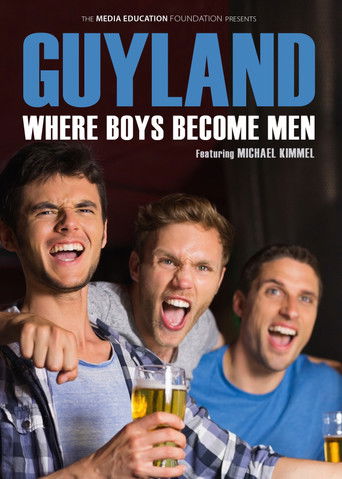
In this powerful new film based on his bestselling book, sociologist Michael Kimmel maps the troubling social world where boys become men -- a new stage of development he calls "Guyland." Arguing that the traditional adult signposts and cultural signals that once helped boys navigate their way to manhood are no longer clear, Kimmel provides an astonishing glimpse into a world where more and more young men are trying desperately to prove their masculinity to other young men -- with frequently disastrous consequences for young women and other young men. Guyland offers a way for all of us -- parents, young men and women, community members, and professors and administrators -- to envision new ways to support young men as they navigate this often perilous world.
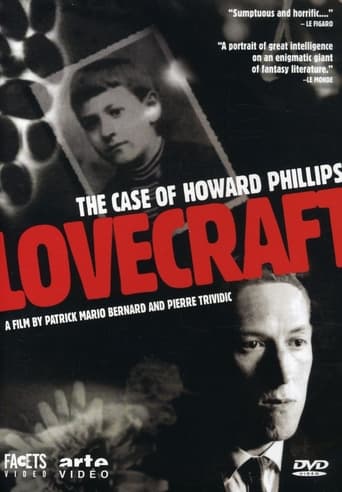
Disgusted by life and uninterested in earthly subjects, Lovecraft intentionally avoided reality when writing, veering into the unknown and inspiring the fear that lurks in nightmares. But, how do you portray the indefinable mythology that gave birth to Dragon, or the mysterious Cthulhu, or the uniquely strange Necronomicon? Directors Patrick Mario Bernard and Pierre Trividic asked themselves this question before responding with this unorthodox documentary that re-creates the atmosphere of claustrophobia, anxiety, and madness of Lovecraft s life and work.
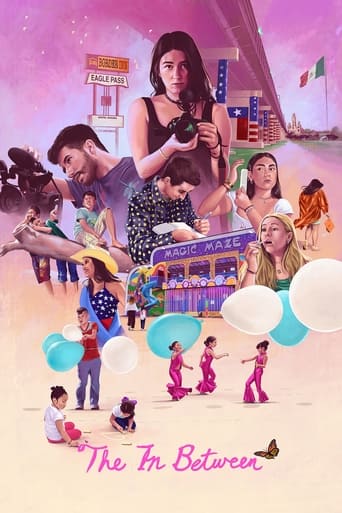
Following the death of her brother, filmmaker Robie Flores returns to her hometown Eagle Pass on the Texas/Mexico border, wanting to turn back time. She collides with unruly experiences of adolescence – quinceañeras, Rio Grande river excursions, teen makeovers and beyond – that invite her to soak up the details of the home her brother adored and she ignored. What emerges is a playful dance between a personal and collective coming-of-age portrait of kids on the border and Robie herself as she rediscovers the possibilities of joy in the aftermath of grief.
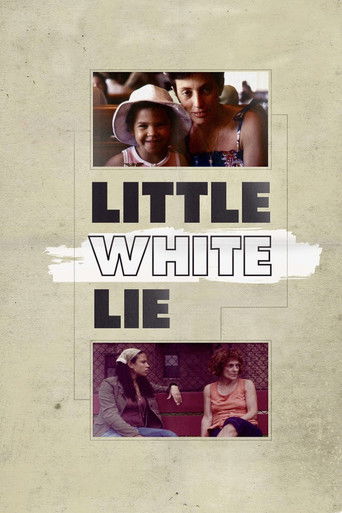
Lacey Schwartz grew up in a typical upper-middle-class Jewish household in Woodstock, NY, with loving parents and a strong sense of her Jewish identity - despite the open questions from those around her about how a white girl could have such dark skin. She believes her family's explanation that her looks were inherited from her dark-skinned Sicilian grandfather. But when her parents abruptly split, her gut starts to tell her something different. At age of 18, she finally confronts her mother and learns the truth: her biological father was not the man who raised her, but a black man named Rodney with whom her mother had had an affair.
In the collective imagination, international adoption evokes images of children being saved from a life of destitution in poorer countries by being adopted by families in Europe or America. But the reality that has emerged is one of child trafficking, falsified documents and governments around the world turning a blind eye.