

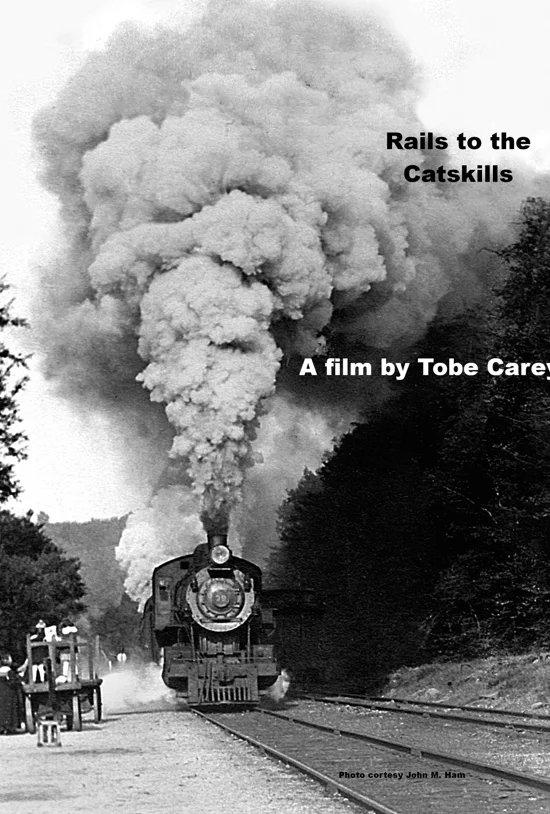
Rails to the Catskills
Documentary
Overview
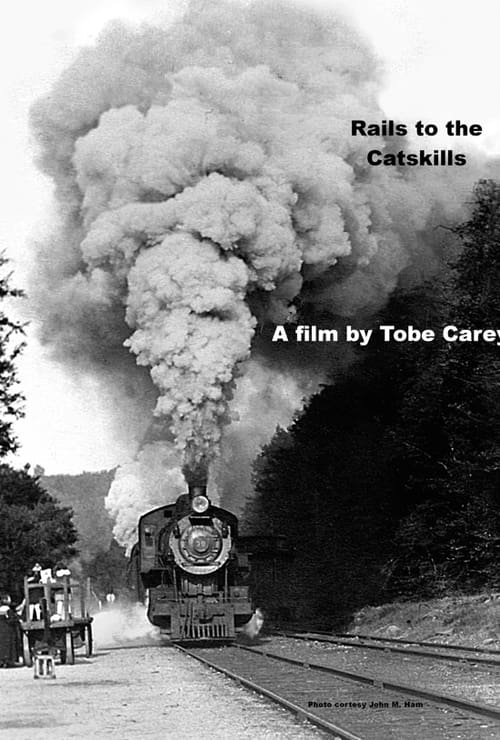
RAILS TO THE CATSKILLS is a history of the dynamic railroad industry in the Catskills of New York State. Catskill railroads have roots in the canals of the 1820's and the post Civil War railroad boom.







No cast information.
Similar Movies
Punk music icons, Lunachicks, reunite after 20 years in an unfiltered, hilarious, and electric documentary. Packed with rare archival footage, the film traces their rise from gritty NYC teens to feminist trailblazers of the 90s grunge era. Fans and newcomers alike will thrill as the band recounts old antics, rekindles bonds, and embarks on their long-awaited journey back to the stage.
A historical documentary documenting the rise, function, and abandonment of a 17 story building that once housed The Rochester Psychiatric Center. This film tells the story of the building through historical footage, interviews of former staff and patients who recount their memories of the behemoth facility while also exploring the abandoned building as it is today.
At its peak, one million New York Jews spent their summers in the Borscht Belt, the birthplace of Jewish-American iconoclastic humor. This film shows how these Catskills communities were run by women, and how class divisions were reflected in the resort hotels: upwardly-mobile hotel guests were entertained by a who's-who of talent, while in the bungalows, do-it-yourself burlesque and vaudeville reigned among the blue-collar families. This film is happy, humane, ironic, and, finally, bittersweet, as we see that today's Jews no longer share the tastes or aspirations of their parents.
There isn't much left of the once-grand Catskill Mountain House. The lavish resort hotel was perched on a precarious ledge in Greene County for over a century. During its 19th-century heyday, the hotel embodied the peak of luxury for a generation of the rich and famous. But like many resort hotels of the Catskills' glittering past, the Mountain House fell into disuse in the 20th century and was finally destroyed by the state of New York in 1963 to return its scenic overlook to wilderness. The Catskill Mountain House and The World Around was given the Gold Remi Award by the 44th WorldFest Houston International Film Festival!
The 73 minute film, MOUNTAIN RIVER, follows the Esopus Creek, from its headwaters on Slide Mountain in New York’s Catskill Mountains, to the Ashokan Reservoir, and on to the Hudson River at Saugerties - a fascinating journey of 65 miles. The story begins with the ancient geologic forces that formed the Catskills and goes on to explore the Native American and colonial settlements along the Esopus. The documentary covers the history of New York City’s Ashokan Reservoir, the development of water-power on the stream, and the innovative beginnings of the American Industrial Revolution along the Esopus in Saugerties. The film celebrates the Upper Esopus as a world class trout fishery, a recreational resource and a critical source of clean, unfiltered water for millions of New Yorkers. Below the Ashokan Reservoir, the Lower Esopus flows through steep gorges, rich agricultural lands and several towns on its way to the Hudson River.
This documentary explores the aftermath of a 2015 mass shooting that took place during an anti-violence community basketball tournament at the Boys and Girls Club in Rochester, New York. Members of the Community along with family members of the victims join together to speak out against the needless violence that took the lives of multiple children and young adults and injured many others.
"City of Joel" is documentary - with unprecedented access - to a 1.1 square mile shtetl in the suburbs that is home to 22,000 members of an one of the most insular and orthodox Hasidic sects. We follow the battles they are waging to survive. Just 50 miles north of New York City, the Satmar sect has built Kiryas Joel as a religious haven where they can be fruitful, multiply and follow the 613 rules of the Talmud. But with some of the highest rates of marriage, birth and religious observance in the country, they have been almost too successful. Developers have come up with a plan to double the size of the village to keep up with this growth, but their neighbors fight back because they believe it will harm the environment and tilt the balance of political power.