

The Memory of Justice
Documentary · History
Overview
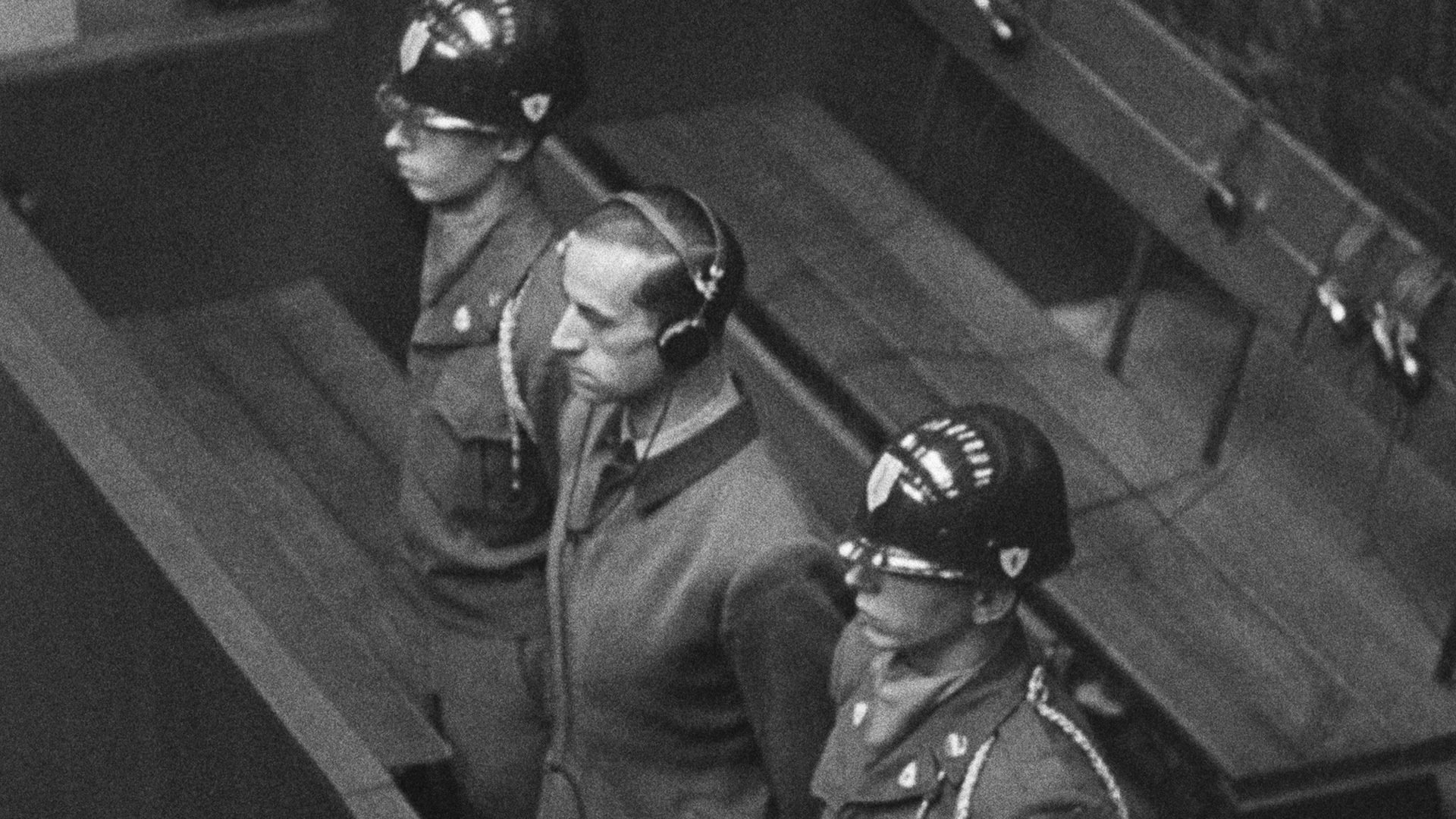
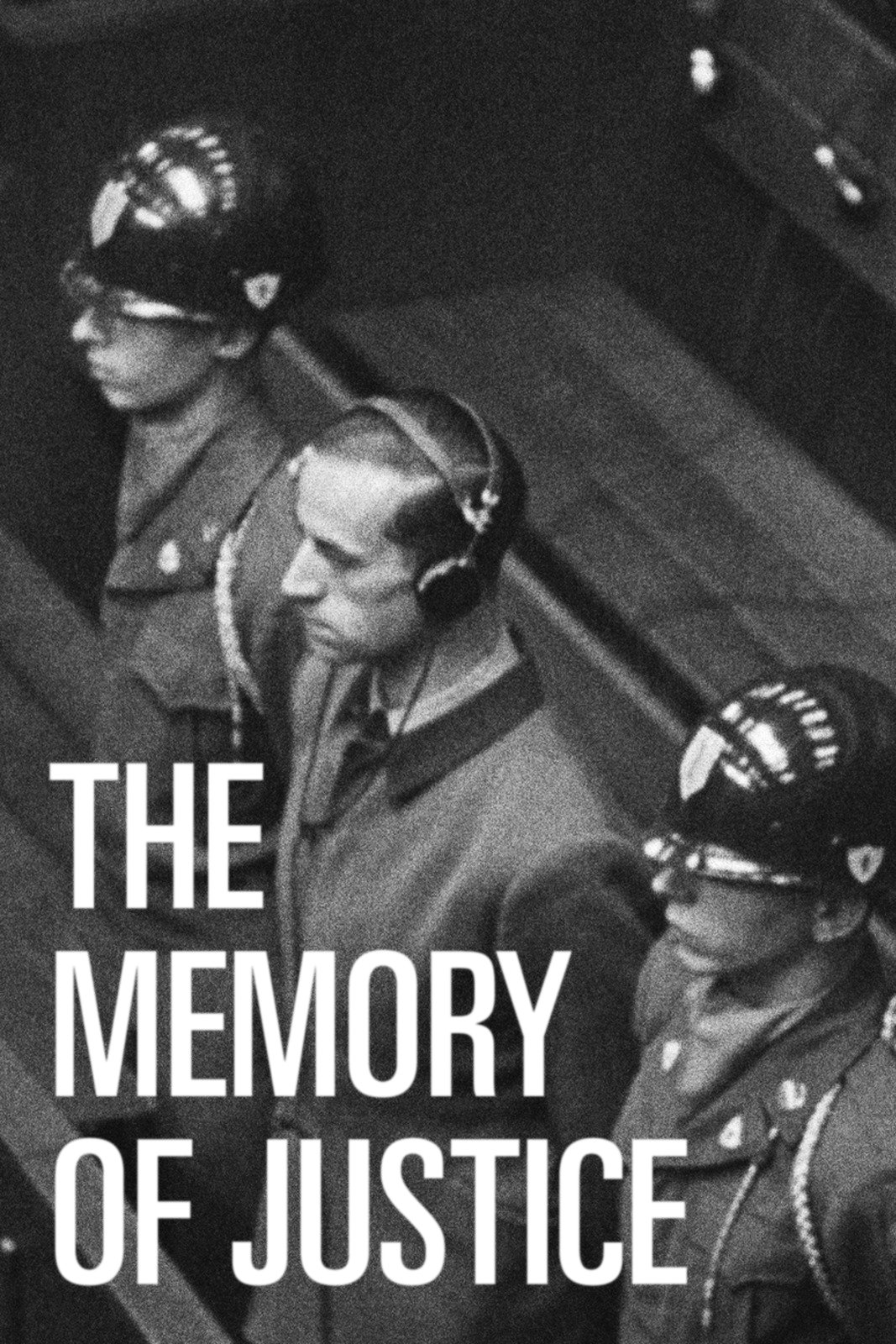
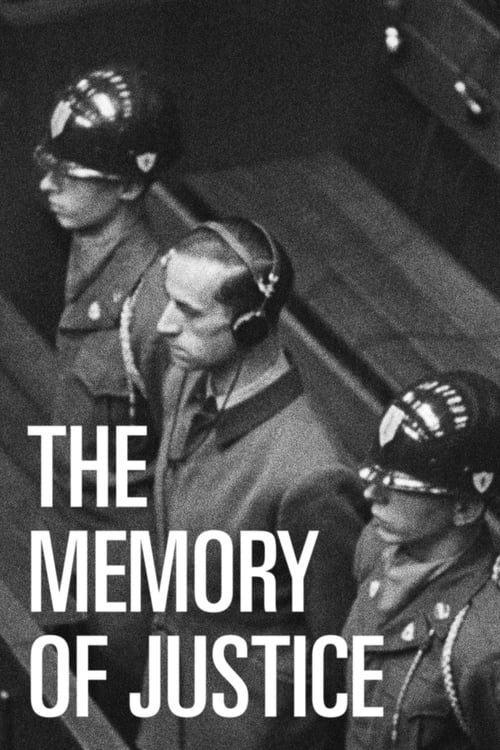
This exceptional, disturbing, and thought-provoking two-part documentary compares the atrocities committed by the Nazis as revealed during the Nuremberg trials to those committed by the French in Algeria and those done by the Americans in Vietnam. The four-hour epic questions the right of any country to pass self-righteous moral judgements upon the actions of another country.
Top Cast
Albert Speer
Self (archive footage)
Karl Dönitz
Self (archive footage)
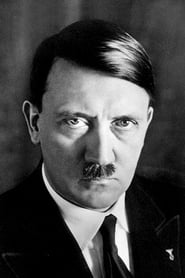
Adolf Hitler
Self (archive footage)
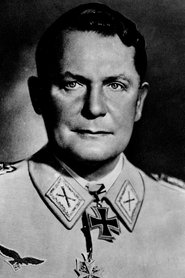
Hermann Göring
Self (archive footage)
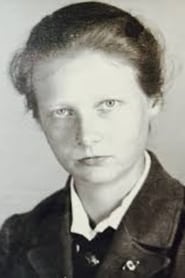
Herta Oberheuser
Self (archive footage)

Noël Favrelière
Self
Telford Taylor
Self
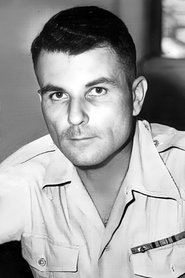
Jacques Pâris de Bollardière
Self
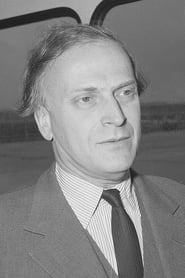
Yehudi Menuhin
Self
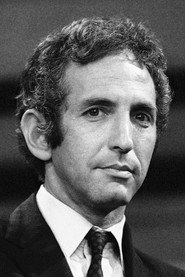
Daniel Ellsberg
Self
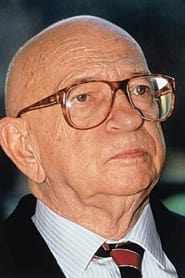
Edgar Faure
Self

Beate Klarsfeld
Self



Albert Speer
Albert Speer
Self (archive footage)
Albert Speer
Self (archive footage)
Karl Dönitz
Karl Dönitz
Self (archive footage)
Karl Dönitz
Self (archive footage)
Adolf Hitler
Adolf Hitler
Self (archive footage)
Adolf Hitler
Self (archive footage)
Hermann Göring
Hermann Göring
Self (archive footage)
Hermann Göring
Self (archive footage)
Herta Oberheuser
Herta Oberheuser
Self (archive footage)
Herta Oberheuser
Self (archive footage)
Noël Favrelière
Noël Favrelière
Self
Noël Favrelière
Self
Telford Taylor
Telford Taylor
Self
Telford Taylor
Self
Jacques Pâris de Bollardière
Jacques Pâris de Bollardière
Self
Jacques Pâris de Bollardière
Self
Yehudi Menuhin
Yehudi Menuhin
Self
Yehudi Menuhin
Self
Daniel Ellsberg
Daniel Ellsberg
Self
Daniel Ellsberg
Self
Similar Movies
Frantz Fanon, a French psychiatrist from Martinique, has just been appointed head of department at the psychiatric hospital in Blida, Algeria. His methods contrast with those of the other doctors in a context of colonization. A biopic in the heart of the Algerian war where a fight is waged in the name of Humanity.
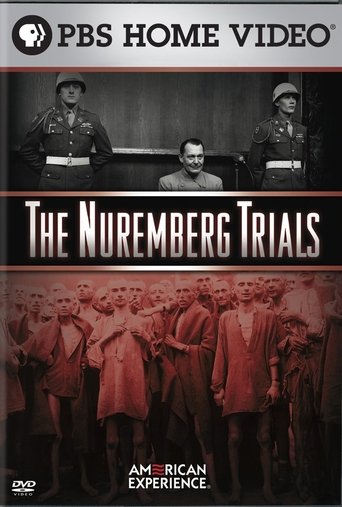
One journalist described it as a chance "to see justice catch up with evil." On November 20, 1945, the twenty-two surviving representatives of the Nazi elite stood before an international military tribunal at the Palace of Justice in Nuremberg, Germany; they were charged with the systematic murder of millions of people. The ensuing trial pitted U.S. chief prosecutor and Supreme Court judge Robert Jackson against Hermann Göring, the former head of the Nazi air force, whom Adolf Hitler had once named to be his successor. Jackson hoped that the trial would make a statement that crimes against humanity would never again go unpunished. Proving the guilt of the defendants, however, was more difficult than Jackson anticipated. This American Experience production draws upon rare archival material and eyewitness accounts to recreate the dramatic tribunal that defines trial procedure for state criminals to this day.
Here and Elsewhere takes its name from the contrasting footage it shows of the fedayeen and of a French family watching television at home. Originally shot by the Dziga Vertov Group as a film on Palestinian freedom fighters, Godard later reworked the material alongside Anne-Marie Miéville.
At Arlington National Cemetery during the Vietnam era, veteran sergeant Clell Hazard trains young soldiers while mourning those lost in combat. Unable to return to war himself, he mentors Jackie Willow—the idealistic son of a fallen comrade—hoping to prepare him for the realities of Vietnam and the cost of duty.
Djamila, a young Algerian woman living with her brother Hadi and her uncle Mustafa in the Casbah district of Algiers under the French occupation of Algeria, sees the full extent of injustice, tyranny and cruelty on his compatriots by French soldiers. Jamila's nationalist spirit will be strengthened when French forces invade her university to arrest her classmate Amina who commits suicide by ingesting poison. Shortly after the prominent Algerian guerrilla leader Youssef takes refuge with her, she realizes that her uncle Mustafa is part of this network of anti-colonial rebel fighters. Her uncle linked her to the National Liberation Front (FLN). A series of events illustrate Jamila's participation in resistance operations against the occupier before she was finally captured and tortured. Finally, despite the efforts of her French lawyer, Jamila is sentenced to death...
The free, almost naive view from the perspective of a child puts the "68ers" in a new, illuminating light in the anniversary year 2008. The film is a provocative reckoning with the ideological upbringing that seemed so progressive and yet was suffocated by the children's desire to finally grow up. With an ironic eye and a feuilletonistic style, author Richard David Precht and Cologne documentary film director André Schäfer trace a childhood in the West German provinces - and place the major events of those years in completely different, smaller and very private contexts.
This lengthy docudrama records the harrowing conditions at the Confederacy's most notorious prisoner-of-war camp. The drama unfolds through the eyes of a company of Union soldiers captured at the Battle of Cold Harbor, VA, in June 1864, and shipped to the camp in southern Georgia. A private, Josiah Day, and his sergeant try to hold their company together in the face of squalid living conditions, inhumane punishments, and a gang of predatory fellow prisoners called the Raiders.
In April 1975 -- despite a ceasefire agreement -- the North Vietnamese communists took Saigon and the world by surprise, mounting an offensive that ousted the South Vietnamese government. This enlightening documentary recounts the last two years of America's military engagement in the country and the U.S. role in Saigon's fall. Interviews with former National Security Adviser Henry Kissinger and North Vietnamese officers provide context.
In 1937, during the height of the Second Sino-Japanese War, the Imperial Japanese Army has just captured Nanjing, then-capital of the Republic of China. What followed was known as the Nanking Massacre, or the Rape of Nanking, a six week period wherein tens of thousands of Chinese soldiers and civilians were killed.