

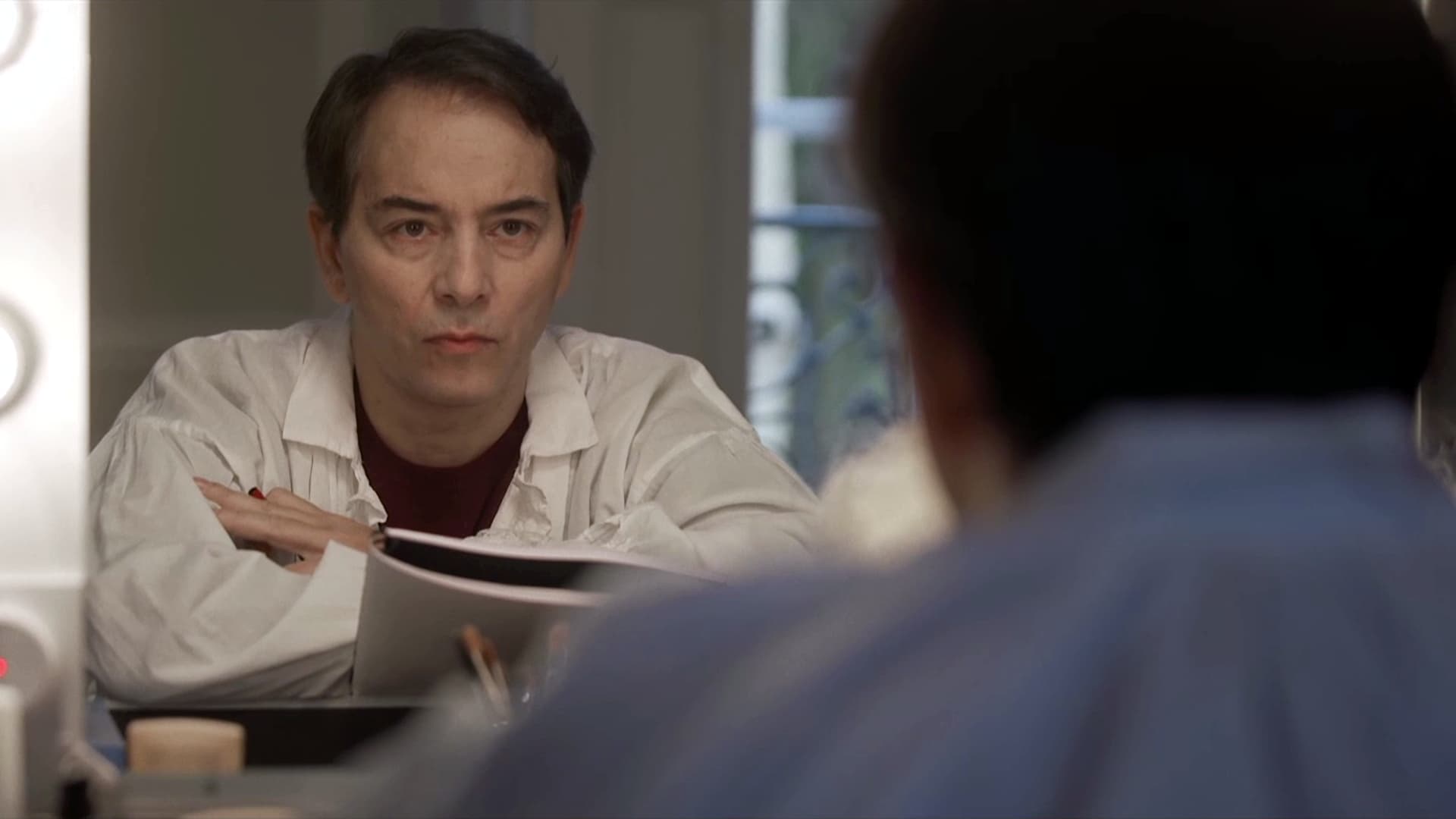
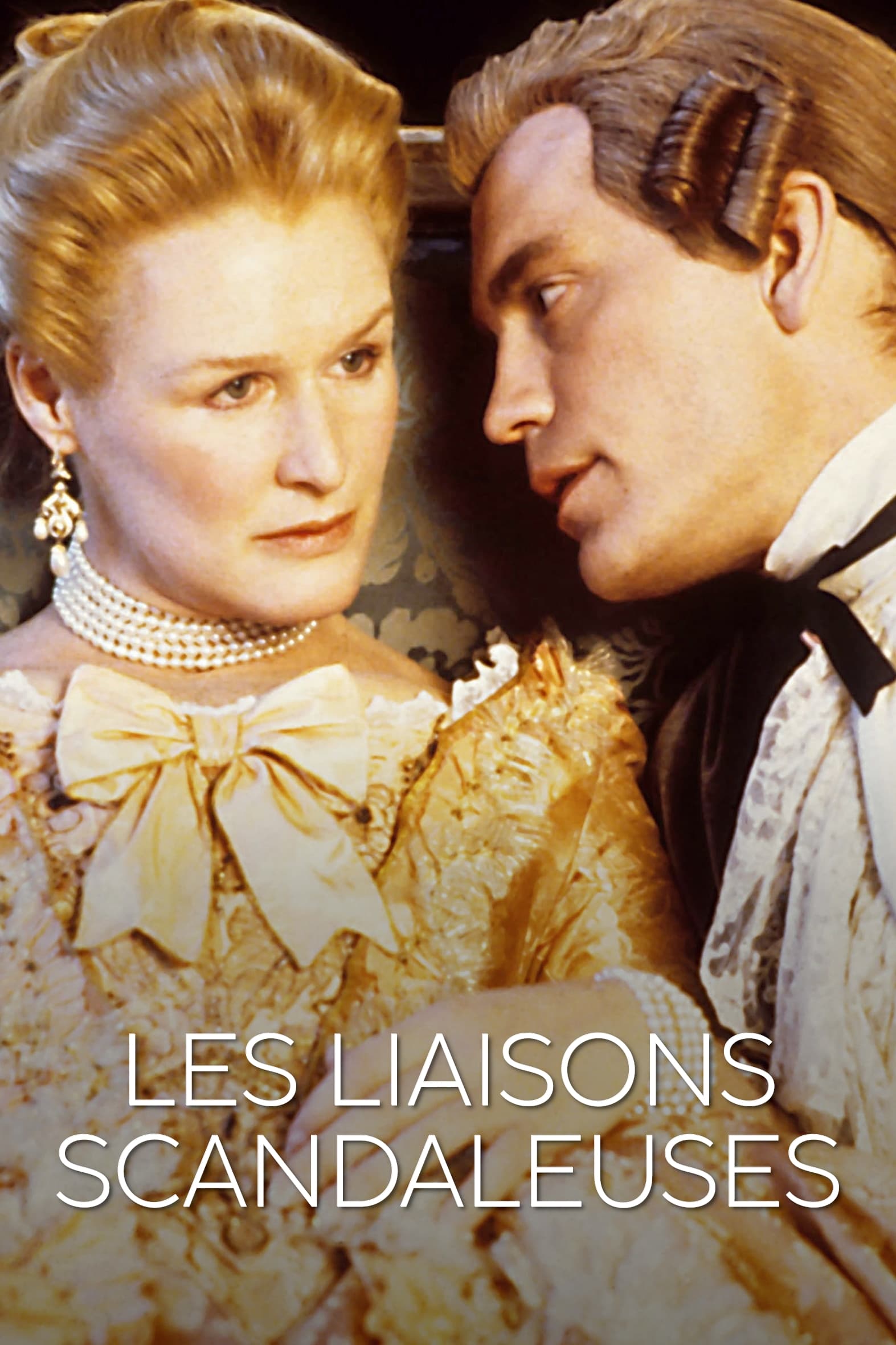
Dangerous Liaisons: A Feminist Manifesto?
Documentary · History
Overview
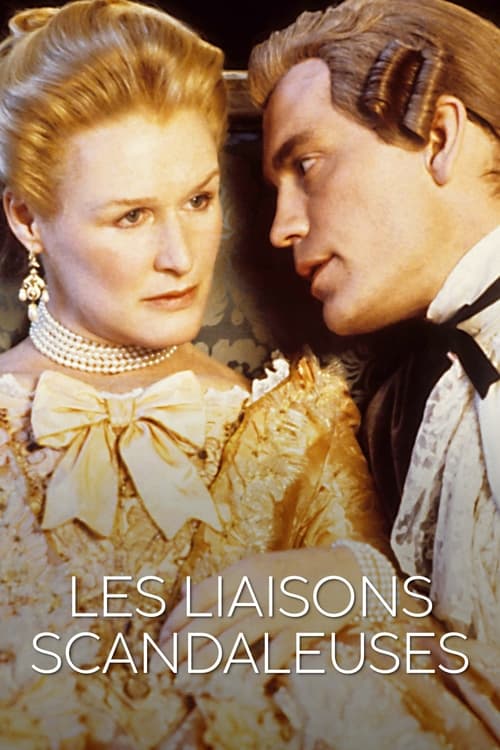
Well known for its exploration of seduction and revenge, the “Dangerous Liaisons” by Choderlos de Laclos caused a scandal from its first publication in 1782. Despite – or because of the scandal – the book was a top-seller. Since then, it stood the test of time. Combining eras, continents and people, the novel is adapted around the world. Marvelous tool for reflection on the female condition, social satire announcing the Revolution, remarkable work on the conflicting nature of love but also of the gender war, consecration of the power of the words, a libertine manual… “Dangerous Liaisons” is all of these at once.





Véronique Augereau
Véronique Augereau
Narrator (voice)
Véronique Augereau
Narrator (voice)
Mathieu Buscatto
Mathieu Buscatto
Narrator (voice)
Mathieu Buscatto
Narrator (voice)

Elsa Lepoivre
Elsa Lepoivre
Merteuil
Elsa Lepoivre
Merteuil
Éric Génovèse
Éric Génovèse
Valmont
Éric Génovèse
Valmont
Michel Delon
Michel Delon
Self
Michel Delon
Self

Cécile Guilbert
Cécile Guilbert
Self
Cécile Guilbert
Self

Catriona Seth
Catriona Seth
Self
Catriona Seth
Self
Geneviève Fraisse
Geneviève Fraisse
Self
Geneviève Fraisse
Self
Similar Movies
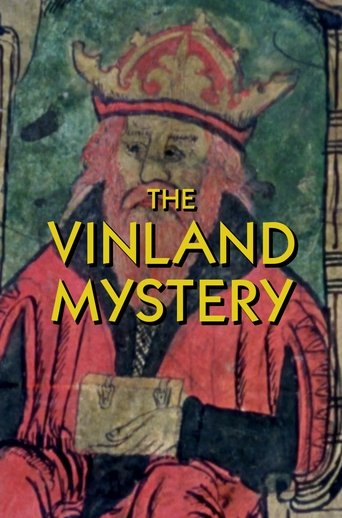
This short documentary depicts the search, discovery and authentication of the only known Norse settlement in North America - Vinland the Good. Mentioned in Icelandic manuscripts and speculated about for over two centuries, Vinland is known as "the place where the wild grapes grow" and was thought to be on the eastern coast between Virginia and Newfoundland. In 1960 a curious group of house mounds was uncovered at l'Anse aux Meadows in northern Newfoundland by Drs. Helge Ingstad and Anne Stine Ingstad of Norway. Added to the United Nations World Heritage List, l'Anse aux Meadows is considered one of the most important archaeological sites in the world.
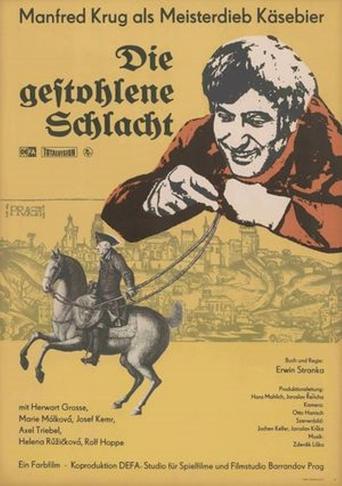
In 1757, the second year of the Seven Years' War, Frederick II the Great stands at the gates of Prague. He has been trying to take the city for weeks, as the enemy commander Duke Charles of Lorraine is inside. Frederick has just defeated him, but the tide could soon turn against the Prussians, as new Austrian troops are approaching. None other than the famous master thief Andreas Christian Käsebier is to sneak into Prague to open the gates from the inside. As a reward, the king promises him freedom. Käsebier accepts the offer because he is tempted to steal an entire city. But by chance, Käsebier learns that the king wants to betray him. After a successful battle, he is put back behind bars for life. This doesn't suit the master thief at all, especially as he has just fallen in love with Katka in Prague.
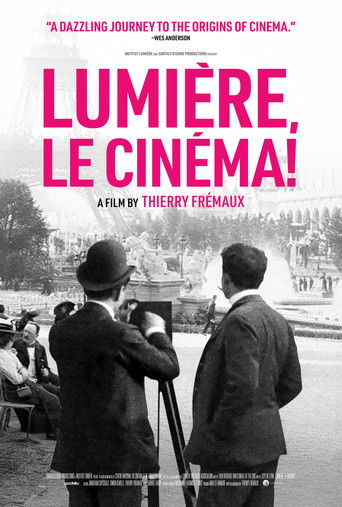
In one of those wonderful coincidences of history, lumière, the French word for “light,” was also the last name of brothers Auguste and Louis, whose brilliant invention, the cinematograph, helped to inaugurate the most beloved art form of the last 130 years. Institute Lumière director Thierry Frémaux uses Lumière, Le Cinema! to guide the viewer through over a hundred shorts—some famous, some forgotten, some never before seen—directed by Lumière and company. In the process, Frémaux illuminates how the brothers employed the camera as a creative instrument as they (and their operators) mastered framing, staging, and subject selection for quotidian and exotic microdocumentaries as well as the first ever fictional motion pictures. The result is not only a glorious re(telling) of the genesis of cinema but a profound meditation on the beautiful world captured—and the mysterious world imagined—by the Lumières.

This documentary follows the French soccer team on their way to victory in the 1998 World Cup in France. Stéphane Meunier spent the whole time filming the players, the coach and some other important characters of this victory, giving us a very intimate and nice view of them, as if we were with them.