

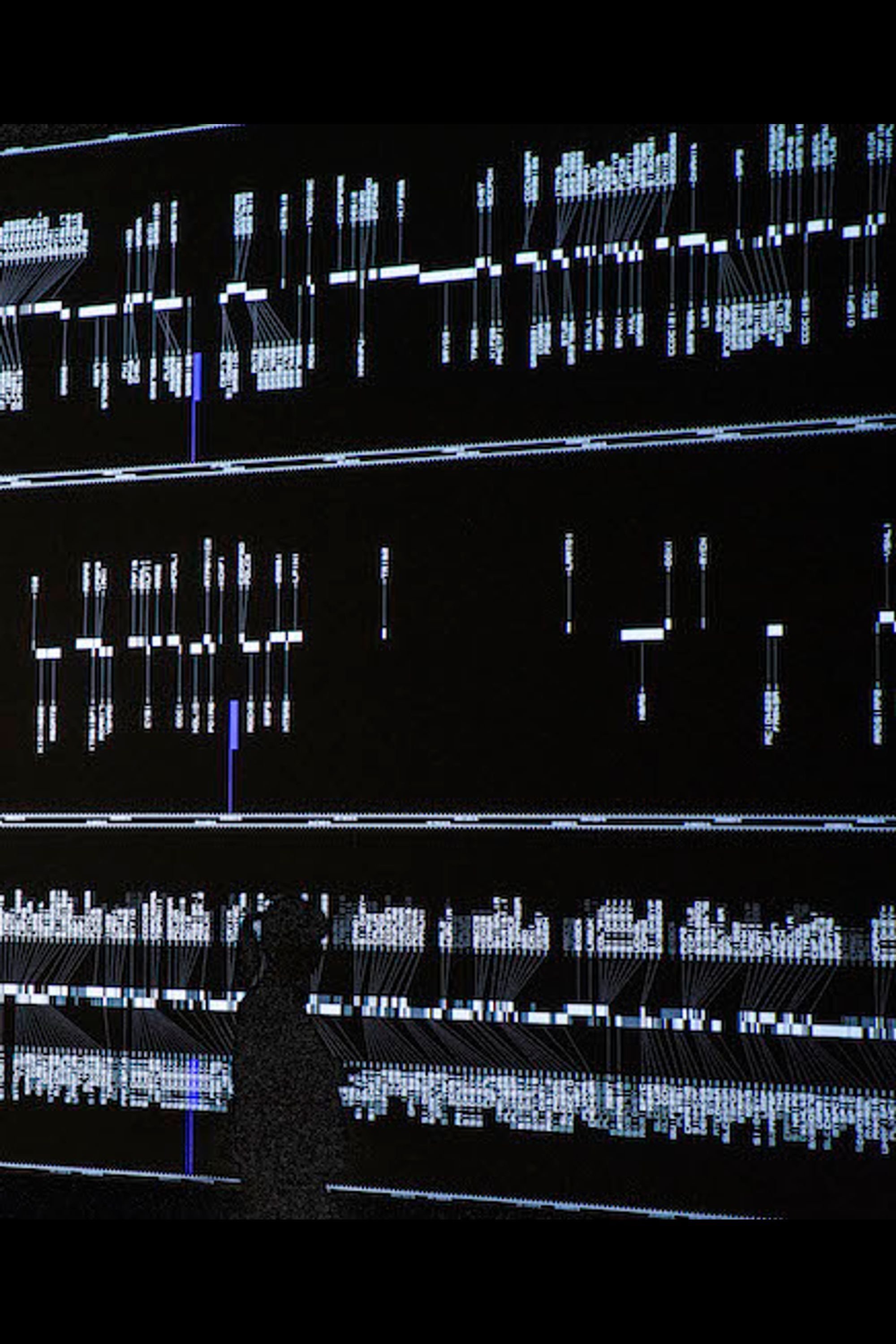
data-verse 2
Music
Overview
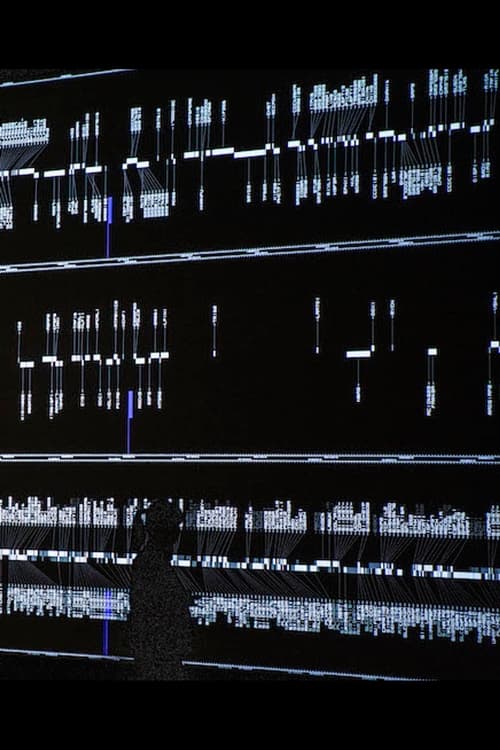
data-verse is a data-driven audio-visual trilogy by artist and composer Ryoji Ikeda which marks a two-decade culmination in the artist’s research. The trilogy addresses the layered dimensions of our world, from the microscopic, to the human, to the macroscopic. Through Ikeda’s process, massive scientific data sets have been transcribed, converted, transformed, de/re/meta-constructed and orchestrated to visualise and sonify the different dimensions that co-exist in our world between the visible and the invisible. Each variation immerses visitors in the vast data universe in which we live, capturing hidden facets of nature and the vast scientific knowledge underpinning our existence. This large-scale data-driven trilogy is generated by extremely precise computer programming and features a minimalist electronic soundtrack, harmonised with Hollywood-standard, high-definition, 4K DCI video projections of scientific data onto a large screen.
No cast information.
Similar Movies
It’s often a sense of shakiness which emerges in seeking affordable rent. Furthermore, leasing a real estate in the time of Covid it’s an enough though enterprise due to the different restrictions in moving freely and without any fear even visiting the venue, still not to mention the angst before the future that a change in life like a relocation involves so that everything starts spinning around. Such a pretty much postmodern sensation should have had Hazel in the Synecdoche, New York by Charlie Kaufman when she rents a burning house, which becomes quite her home yet with this persisting sense of precarity still not precluding to keep going. The experience is now translocated in another city, Turin. It still remains a burning house in a burning city, however it becomes home to someone.
After concluding the now-legendary public access TV series, The Pain Factory, Michael Nine embarked on a new and more subversive public access endeavor: a collaboration with Scott Arford called Fuck TV. Whereas The Pain Factory predominantly revolved around experimental music performances, Fuck TV was a comprehensive and experiential audio-visual presentation. Aired to a passive and unsuspecting audience on San Francisco’s public access channel from 1997 to 1998, each episode of Fuck TV was dedicated to a specific topic, combining video collage and cut-up techniques set to a harsh electronic soundtrack. The resultant overload of processed imagery and visceral sound was unlike anything presented on television before or since. EPISODES: Yule Bible, Cults, Riots, Animals, Executions, Static, Media, Haterella (edited version), Self Annihilation Live, Electricity.
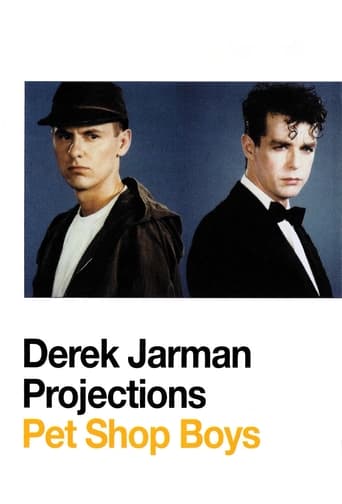
The innovative and influential British filmmaker Derek Jarman was invited to direct the Pet Shop Boys' 1989 tour. This film is a series of iconoclastic images he created for the background projections. Stunning, specially shot sequences (featuring actors, the Pet Shop Boys, and friends of Jarman) contrast with documentary montages of nature, all skillfully edited to music tracks.
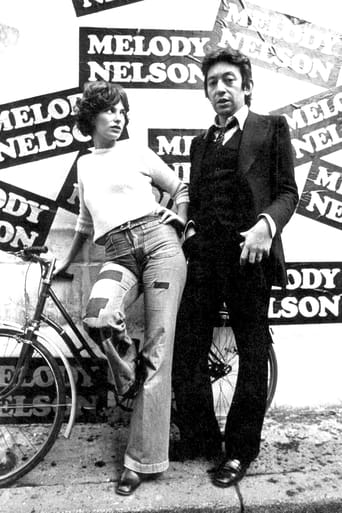
Although Gainsbourg and Birkin had appeared in a string of films since their magnetic collision in Pierre Grimblat’s Slogan, Melody was a bit of diversion from their collaborations since it’s a series of interwoven videos inspired by the Gainsbourgalbum. For '71 it’s a novel concept to bring visual life to an LP, but even more surprising are the short film’s amazing visuals that director Averty crafted using a wealth of video filters, overlays, camera movements and chroma key effects. Averty applies these in tandem with the increasing tone of Gainsbourg’s songs, which more or less chronicle an older man's affair with a young girl. Each song is comprised of steady, sometimes brooding poetic delivery, with refrains timed to the phrase repeats of each song, while Alan Parker’s buzzing guitar accompanies and wiggles around Gainsbourg’s resonant voice. The bass is fat and groovy, the drums easy but steady, and the periodic use of strings or rich vibrato makes this short a sultry little gem.
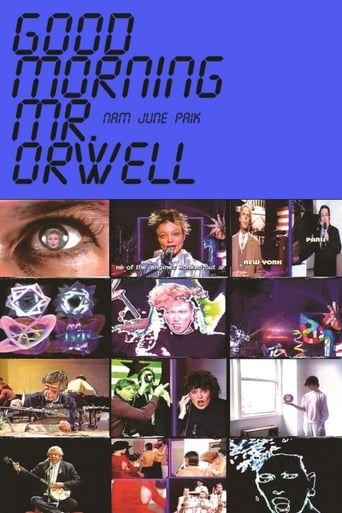
In his book "1984", George Orwell saw the television of the future as a control instrument in the hands of Big Brother. Right at the start of the much-anticipated Orwellian year, Paik and Co. were keen to demonstrate satellite TV's ability to serve positive ends-- Namely, the intercontinental exchange of culture, combining both highbrow and entertainment elements. A live broadcast shared between WNET TV in New York and the Centre Pompidou in Paris, linked up with broadcasters in Germany and South Korea, reached a worldwide audience of over 10 or even 25 million (including the later repeat transmissions).